Genre
philly indie
Top Philly indie Artists
Showing 25 of 41 artists




About Philly indie
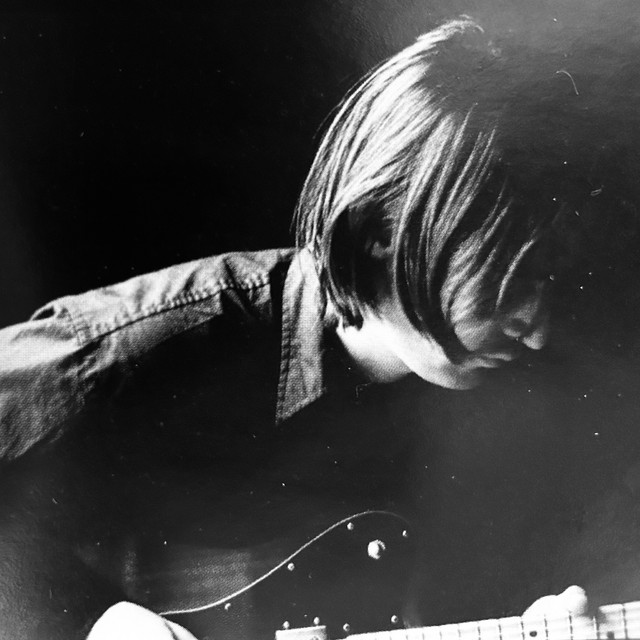
Philly indie is the Philadelphia-born thread within the broader tapestry of American indie rock. It’s less a single sound than a mood: warm, guitar-forward, and often intently melodic, with a DIY spirit that values lyric craft and imperfect, human textures as much as studio polish. Born out of late-2000s America’s indie resurgence, the scene grew through a network of basement shows, house venues, and intimate clubs that encouraged experimentation and close, communal listening. Over time, it fused classic Philly wit with contemporary indie sensibilities, producing a sound that can be airy and jangly one moment and bruisingly direct the next.
Key figures and ambassadors anchor the movement. Dr. Dog helped inaugurate the modern Philly indie identity with lo-fi charm and melodic confidence in the mid-2000s, gathering a devoted following with We All Belong (2007) and a string of warmly wonky LPs that showcased a loose, rootsy sensibility. Kurt Vile became its most recognizable solo voice, weaving lo-fi immediacy and sprawling guitar passages on records like Smoke Ring for My Halo (2011) and Wakin on a Pretty Daze (2013), helping redefine the city’s indie palette as thoughtful and expansive. The War on Drugs emerged as a broader beacon in the 2010s, translating Philly grit into expansive, guitar-driven anthems—Lost in the Dream (2014) and its successors cementing the band as international ambassadors of the scene. Hop Along, led by Frances Quinlan, brought a sharpened songcraft and emotional depth from Philadelphia to a wider audience with Painted Shut (2015). The Districts, rising from the same area, brought a young, energetic urgency to the table, reinforcing the city’s reputation for earnest, hook-smart rock. Together, these acts illustrate Philly indie’s range: from intimate home-recorded textures to widescreen, anthemic guitars.
Sonic traits often associated with Philly indie include warm, analog textures, jangly or tremolo-laced guitars, and lyrics that dive into personal and social introspection. Production tends toward a lived-in feel—think tape hiss, natural room sound, and vocal intimacy—yet the songs frequently carry big, memorable choruses and sturdy melodic lines. The scene thrives on collaboration, cross-pollination, and a shared belief in music as a community practice rather than a factory-produced commodity. It’s common to hear references to 60s pop, 90s indie, and modern lo-fi in equal measure, all filtered through Philadelphia’s particular blend of wit, resilience, and restless curiosity.
Geographically, Philly indie has its strongest foothold in the United States, especially along the East Coast, with dedicated audiences in the UK, Western Europe, Japan, and Australia that gravitate toward its intimate songwriting and guitar-forward energy. It remains less about a rigid taxonomy and more about a spirit: a city’s sound filtered through personal storytelling, humble recordings, and a penchant for live shows that remind you why music was once a neighborly, communal event. For enthusiasts, Philly indie is a map of ideas—folded, explored, and continuously reimagined.
Key figures and ambassadors anchor the movement. Dr. Dog helped inaugurate the modern Philly indie identity with lo-fi charm and melodic confidence in the mid-2000s, gathering a devoted following with We All Belong (2007) and a string of warmly wonky LPs that showcased a loose, rootsy sensibility. Kurt Vile became its most recognizable solo voice, weaving lo-fi immediacy and sprawling guitar passages on records like Smoke Ring for My Halo (2011) and Wakin on a Pretty Daze (2013), helping redefine the city’s indie palette as thoughtful and expansive. The War on Drugs emerged as a broader beacon in the 2010s, translating Philly grit into expansive, guitar-driven anthems—Lost in the Dream (2014) and its successors cementing the band as international ambassadors of the scene. Hop Along, led by Frances Quinlan, brought a sharpened songcraft and emotional depth from Philadelphia to a wider audience with Painted Shut (2015). The Districts, rising from the same area, brought a young, energetic urgency to the table, reinforcing the city’s reputation for earnest, hook-smart rock. Together, these acts illustrate Philly indie’s range: from intimate home-recorded textures to widescreen, anthemic guitars.
Sonic traits often associated with Philly indie include warm, analog textures, jangly or tremolo-laced guitars, and lyrics that dive into personal and social introspection. Production tends toward a lived-in feel—think tape hiss, natural room sound, and vocal intimacy—yet the songs frequently carry big, memorable choruses and sturdy melodic lines. The scene thrives on collaboration, cross-pollination, and a shared belief in music as a community practice rather than a factory-produced commodity. It’s common to hear references to 60s pop, 90s indie, and modern lo-fi in equal measure, all filtered through Philadelphia’s particular blend of wit, resilience, and restless curiosity.
Geographically, Philly indie has its strongest foothold in the United States, especially along the East Coast, with dedicated audiences in the UK, Western Europe, Japan, and Australia that gravitate toward its intimate songwriting and guitar-forward energy. It remains less about a rigid taxonomy and more about a spirit: a city’s sound filtered through personal storytelling, humble recordings, and a penchant for live shows that remind you why music was once a neighborly, communal event. For enthusiasts, Philly indie is a map of ideas—folded, explored, and continuously reimagined.