Genre
philly rap
Top Philly rap Artists
Showing 25 of 66 artists





About Philly rap
Philly rap is the Philadelphia edition of hip hop, a sound born from the city’s streets and hard-won creativity, then refined into a distinctive voice within the broader East Coast tradition. It carries a Philadelphia bite: direct, often gritty storytelling paired with a cadence that feels both urgent and and tied to the city’s soulful roots. The scene grew out of Philadelphia’s clubs, radio shows, and a community of MCs who spoke from neighborhoods as varied as North, West, and South Philly, giving the music a palpable sense of place.
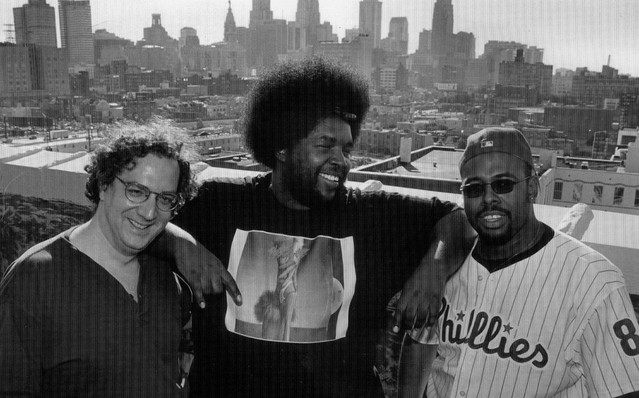
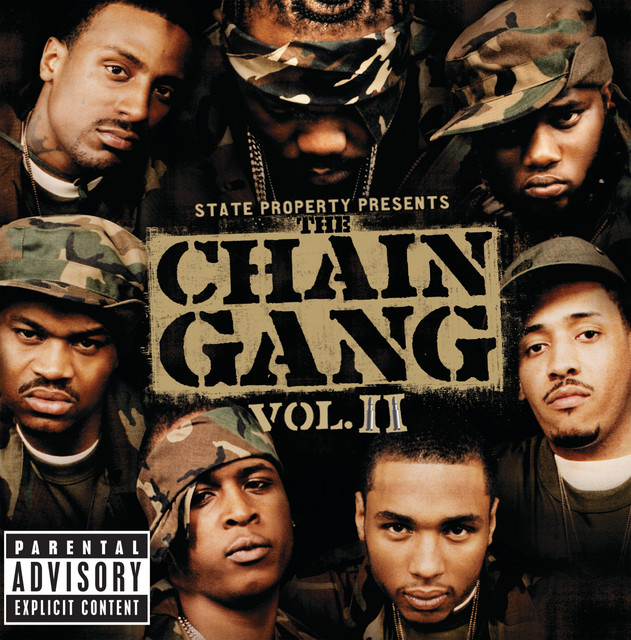
The birth of Philly rap can be traced to the late 1980s and early 1990s, when local artists began earning national attention. DJ Jazzy Jeff & The Fresh Prince, hailing from West Philadelphia, helped bring Philadelphia into the MTV era with clever, accessible storytelling on tracks like Parents Just Don’t Understand and Summertime. The Roots, formed in 1987 by Black Thought and Questlove, fused live instrumentation with rap and redefined what a hip hop group could sound like. As the 2000s approached, Beanie Sigel and Freeway carried the street narrative forward, and the State Property collective pushed a tougher, more confrontational edge. In the next decade, Meek Mill emerged as one of the city’s most visible voices, balancing street realism with aspirational anthems. The newer generation arrived with Lil Uzi Vert, whose melodic, chart-topping rap broadened Philadelphia’s palette and helped push the city onto the global stage.
Sound-wise, Philly rap is notable for its dual allegiance to soulful samples and hard-hitting drums. The Roots helped make live instrumentation a defining feature of Philadelphia’s hip hop, giving projects a sense of immediacy and warmth. Many post-2000s Philly artists blend street grit with anthemic hooks or melodic pockets, creating songs that hit hard while staying catchy. Lyrically, the genre often tackles personal struggle, urban resilience, and ambition, weaving vivid street portraits with moments of swagger and humor. The city’s cadence—clear, direct, and sometimes lightning-fast—gives the music its characteristic sting and urgency. In addition, regional collaborations and cross-pollination within the Mid-Atlantic have reinforced a strong, shared sense of identity among Philly’s MCs.
Ambassadors of Philly rap include a slate of artists who crossed into mainstream consciousness. Meek Mill stands as one of the most influential modern voices, while Lil Uzi Vert expanded the sonic palate with melodic trap and a rapidly growing international fanbase. The Roots remain a permanent symbol of Philadelphia’s hip hop, bridging the city’s sound to broader audiences through live performance and long-running projects. Beanie Sigel, Freeway, and Cassidy are celebrated for their precise lyricism and street storytelling. Festivals like the Roots Picnic have helped solidify Philadelphia’s reputation as a live-performing hub for the genre, drawing fans from across the country and beyond.
Today, Philly rap maintains a strong domestic core while enjoying a growing global footprint. It remains most deeply rooted in the United States, but streaming and international collaborations have brought attentive listeners in Europe, Asia, and Latin America, proving that the city’s grit can translate into a sound with broad, worldwide appeal.
The birth of Philly rap can be traced to the late 1980s and early 1990s, when local artists began earning national attention. DJ Jazzy Jeff & The Fresh Prince, hailing from West Philadelphia, helped bring Philadelphia into the MTV era with clever, accessible storytelling on tracks like Parents Just Don’t Understand and Summertime. The Roots, formed in 1987 by Black Thought and Questlove, fused live instrumentation with rap and redefined what a hip hop group could sound like. As the 2000s approached, Beanie Sigel and Freeway carried the street narrative forward, and the State Property collective pushed a tougher, more confrontational edge. In the next decade, Meek Mill emerged as one of the city’s most visible voices, balancing street realism with aspirational anthems. The newer generation arrived with Lil Uzi Vert, whose melodic, chart-topping rap broadened Philadelphia’s palette and helped push the city onto the global stage.
Sound-wise, Philly rap is notable for its dual allegiance to soulful samples and hard-hitting drums. The Roots helped make live instrumentation a defining feature of Philadelphia’s hip hop, giving projects a sense of immediacy and warmth. Many post-2000s Philly artists blend street grit with anthemic hooks or melodic pockets, creating songs that hit hard while staying catchy. Lyrically, the genre often tackles personal struggle, urban resilience, and ambition, weaving vivid street portraits with moments of swagger and humor. The city’s cadence—clear, direct, and sometimes lightning-fast—gives the music its characteristic sting and urgency. In addition, regional collaborations and cross-pollination within the Mid-Atlantic have reinforced a strong, shared sense of identity among Philly’s MCs.
Ambassadors of Philly rap include a slate of artists who crossed into mainstream consciousness. Meek Mill stands as one of the most influential modern voices, while Lil Uzi Vert expanded the sonic palate with melodic trap and a rapidly growing international fanbase. The Roots remain a permanent symbol of Philadelphia’s hip hop, bridging the city’s sound to broader audiences through live performance and long-running projects. Beanie Sigel, Freeway, and Cassidy are celebrated for their precise lyricism and street storytelling. Festivals like the Roots Picnic have helped solidify Philadelphia’s reputation as a live-performing hub for the genre, drawing fans from across the country and beyond.
Today, Philly rap maintains a strong domestic core while enjoying a growing global footprint. It remains most deeply rooted in the United States, but streaming and international collaborations have brought attentive listeners in Europe, Asia, and Latin America, proving that the city’s grit can translate into a sound with broad, worldwide appeal.