Genre
pittsburgh rap
Top Pittsburgh rap Artists
Showing 25 of 36 artists





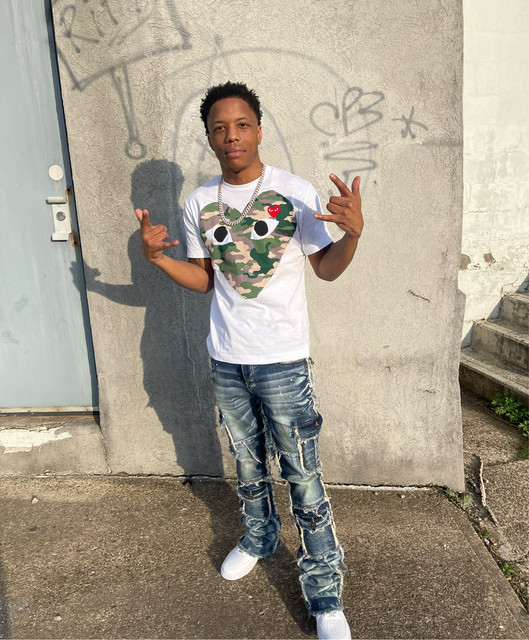


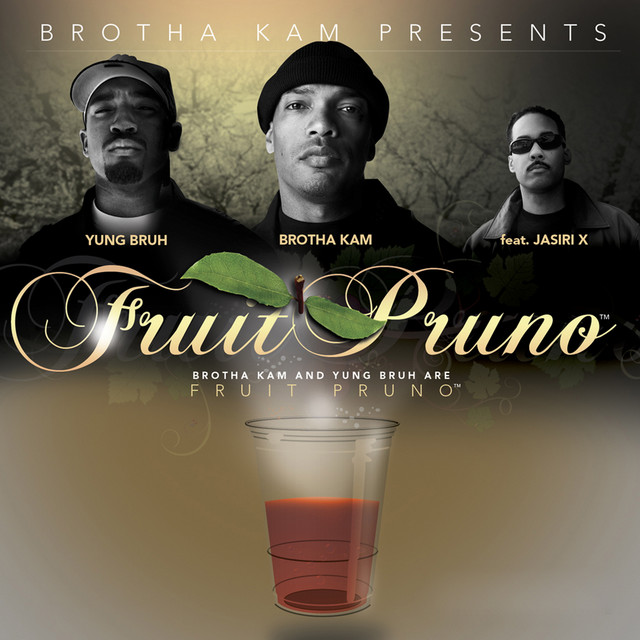


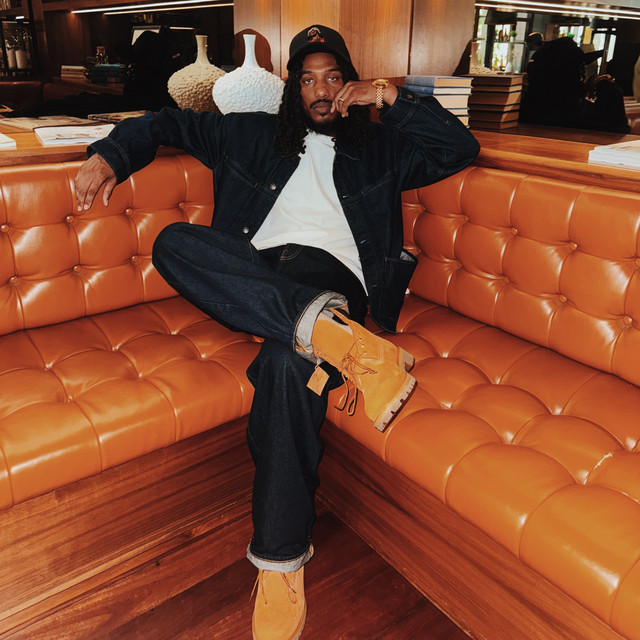

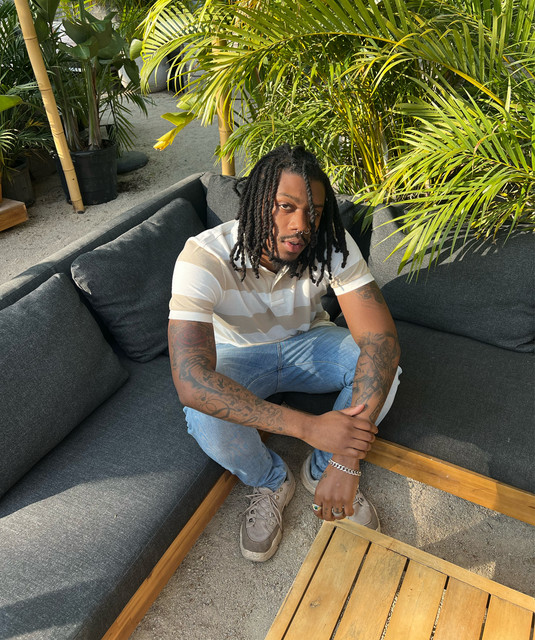
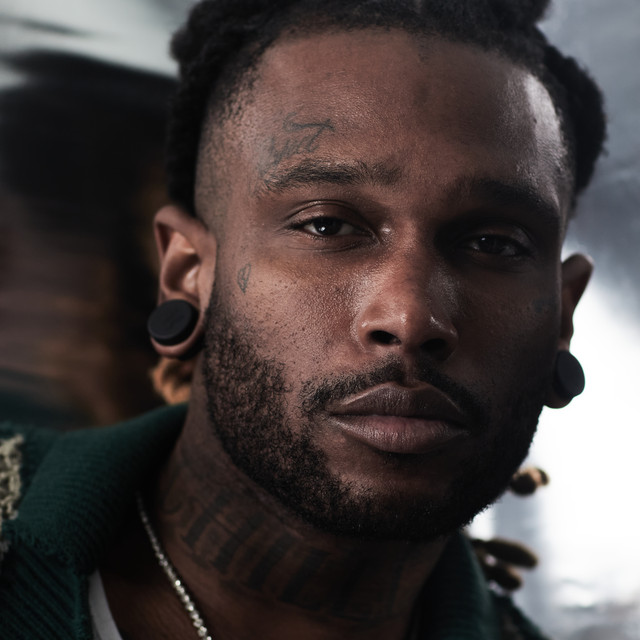


About Pittsburgh rap
Pittsburgh rap is a distinct slice of American hip-hop that grows from the steel-city’s working-class identity, its brick-and-mortar neighborhoods, and a DIY mindset that prizes craft, grit, and melodic resilience. Emergent in the late 1990s and coming into sharper focus through the 2000s, the Pittsburgh sound matured inside a local ecosystem of indie labels, studios, and a tight-knit community that favors collaboration over flash. The city’s Rostrum Records—an independent powerhouse that helped launch artists into wider markets—became a launching pad for a generation of rappers and producers who built their careers on craft, not shortcuts.
The two names most associated with putting Pittsburgh on the global map are Wiz Khalifa and Mac Miller. Wiz Khalifa, a rapper with a knack for catchy hooks and streetwise storytelling, translated regional slang and swagger into records that crossed into mainstream radio and global tours. Mac Miller, younger and equally prolific, fused clever wordplay with jazzy, sample-driven production to craft songs that could feel intimate and grand at the same time. Together they became ambassadors for a city that often felt overlooked in national rap conversations, proving that a rigorous local scene—complete with its labels, studios, and collaborative networks—could yield artists with lasting impact.
Musically, Pittsburgh rap has spanned a spectrum from hard-edged boom-bap to more melodic, hook-driven tracks. Early production from Pittsburgh‑based teams like I.D. Labs gave Mac Miller a warm, instrument-rich soundscape that complemented his introspective writing, while Wiz’s records leaned into anthemic choruses and cross-genre appeal. What unites these sounds is a fidelity to craft: crisp drums, thoughtful sampling, and a late-night mood that can feel both street-level and reflective. The Pittsburgh approach often sits at the intersection of grit and groove, balancing street narratives with melodic accessibility, and inviting listeners into moods that can be as intimate as they are exhilarating.
Beyond those two pillars, the city’s scene has nurtured a broad roster of artists who keep the Pittsburgh voice alive in underground circuits and on streaming platforms. The culture surrounding Pittsburgh rap prizes independence, collaboration, and a community ethic: producers and rappers frequently share beats, verses, and co-signs across projects, reinforcing a cohesive sound without surrendering individual flair. This collaborative ethos has helped Pittsburgh rap maintain a durable, if sometimes under-the-radar, international footprint. In the streaming era, fans in the United States, the United Kingdom, Germany, the Netherlands, and other European markets have discovered the city’s music, drawn by its blend of gritty realism, melodic sensibility, and the genuine personality that shines through on record.
In short, Pittsburgh rap is not merely a geographic label; it’s a resilient, craft-forward ethos. It celebrates storytelling with warmth, the fusion of street life with melodic risk-taking, and a community that continues to nurture both breakout stars and the albums-as-art form that the city has always valued. For enthusiasts, it’s a fertile ground for discovery—where you hear the lineage of the city alongside the innovations of today.
The two names most associated with putting Pittsburgh on the global map are Wiz Khalifa and Mac Miller. Wiz Khalifa, a rapper with a knack for catchy hooks and streetwise storytelling, translated regional slang and swagger into records that crossed into mainstream radio and global tours. Mac Miller, younger and equally prolific, fused clever wordplay with jazzy, sample-driven production to craft songs that could feel intimate and grand at the same time. Together they became ambassadors for a city that often felt overlooked in national rap conversations, proving that a rigorous local scene—complete with its labels, studios, and collaborative networks—could yield artists with lasting impact.
Musically, Pittsburgh rap has spanned a spectrum from hard-edged boom-bap to more melodic, hook-driven tracks. Early production from Pittsburgh‑based teams like I.D. Labs gave Mac Miller a warm, instrument-rich soundscape that complemented his introspective writing, while Wiz’s records leaned into anthemic choruses and cross-genre appeal. What unites these sounds is a fidelity to craft: crisp drums, thoughtful sampling, and a late-night mood that can feel both street-level and reflective. The Pittsburgh approach often sits at the intersection of grit and groove, balancing street narratives with melodic accessibility, and inviting listeners into moods that can be as intimate as they are exhilarating.
Beyond those two pillars, the city’s scene has nurtured a broad roster of artists who keep the Pittsburgh voice alive in underground circuits and on streaming platforms. The culture surrounding Pittsburgh rap prizes independence, collaboration, and a community ethic: producers and rappers frequently share beats, verses, and co-signs across projects, reinforcing a cohesive sound without surrendering individual flair. This collaborative ethos has helped Pittsburgh rap maintain a durable, if sometimes under-the-radar, international footprint. In the streaming era, fans in the United States, the United Kingdom, Germany, the Netherlands, and other European markets have discovered the city’s music, drawn by its blend of gritty realism, melodic sensibility, and the genuine personality that shines through on record.
In short, Pittsburgh rap is not merely a geographic label; it’s a resilient, craft-forward ethos. It celebrates storytelling with warmth, the fusion of street life with melodic risk-taking, and a community that continues to nurture both breakout stars and the albums-as-art form that the city has always valued. For enthusiasts, it’s a fertile ground for discovery—where you hear the lineage of the city alongside the innovations of today.