Genre
pop lgbtq+ brasileira
Top Pop lgbtq+ brasileira Artists
Showing 23 of 23 artists
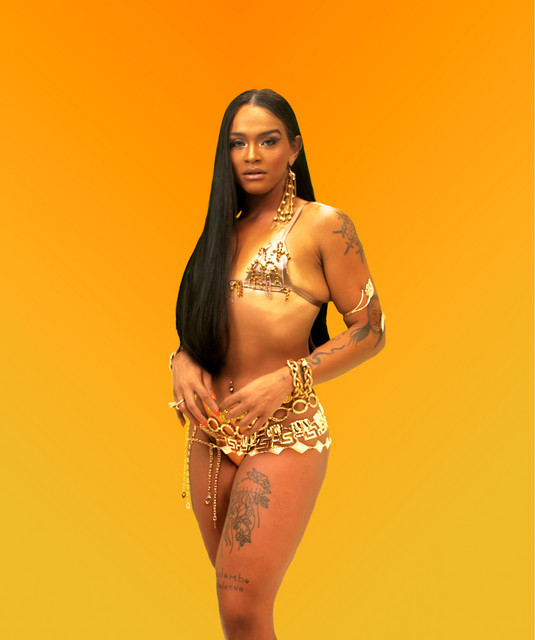

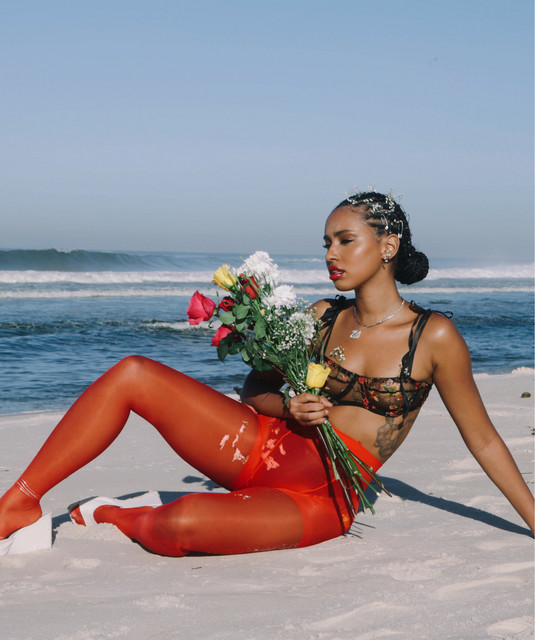

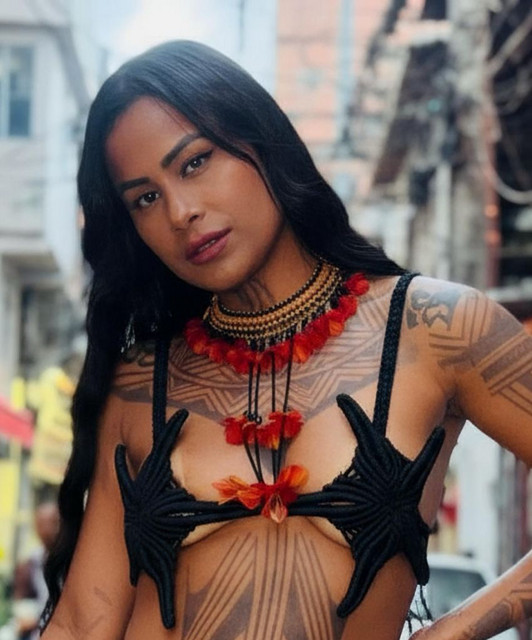
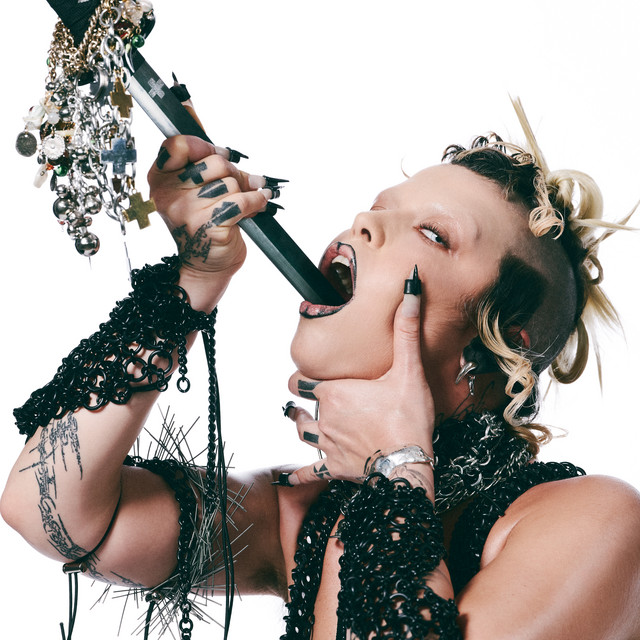


About Pop lgbtq+ brasileira
Pop LGBTQ+ brasileira is a bright, unapologetic strand of Brazilian pop that centers queer voices, experiences, and joy. It fuses glossy, radio-ready hooks with the rhythmic DNA of Brazilian dance cultures— baile funk, samba, tropical pop, and contemporary urban beats—creating songs that feel both intimate and anthemic. The result is a genre that travels from club floor to streaming playlists while foregrounding identities that have long been marginalized in mainstream Brazilian music.
Origins and birth
The scene didn’t appear overnight. In the 2010s, LGBTQ+ visibility in Brazilian music and nightlife helped push pop toward more audacious, gender-fluid storytelling. Artists borrowed from diverse roots— funk carioca’s bass, MPB’s melodic risk-taking, samba’s carnival cadence—then added modern pop production and sharp, personal storytelling. A defining moment came with the rise of Pabllo Vittar, whose breakout around 2017—led by the hit K.O.—brought Brazilian queer pop to global attention. Vittar’s chart-topping blend of drag performance, punchy pop, and hyper-gloss visuals became a blueprint for the genre, while other flag-bearers like Gloria Groove, Liniker, and Linn da Quebrada expanded the sonic and political conversation, proving pop could be a platform for gender exploration, solidarity, and resistance as well as club energy and romance.
Sound, themes, and aesthetics
Musically, Pop LGBTQ+ brasileira thrives on high-energy, danceable beats crafted for both the club and the festival stage. Expect a mix of bright synth-pop, reggaeton-influenced rhythms, and bass-forward rhythms borrowed from baile funk, all tempered with melodic pop hooks. Vocals often ride with confidence and vulnerability, addressing queer love and desire, self-acceptance, solidarity within the LGBTQ+ community, and confrontations with prejudice. Visuals are inseparable from the music—the genre’s videos and live shows lean into vibrant, theatrical aesthetics, drag-inspired fashion, and bold color palettes, turning each release into a mini-performance. Collaborations across Latin pop, reggaeton, and electronic dance music have helped internationalize the sound while keeping a distinctly Brazilian pulse.
Key figures and ambassadors
- Pabllo Vittar: global ambassador of Brazilian queer pop, known for seamless pop production, electric performances, and advocacy.
- Gloria Groove: punchy, theatrical pop-rap with a spotlight on gender performance and empowerment.
- Liniker: soulful, genre-blurring artist who broadens the pop palette with R&B and Brazilian rhythms while foregrounding queer identity.
- Linn da Quebrada: fearless performer and rapper who infuses pop with political edge and street-circuit energy.
Where it travels
Brazil is the epicenter, where the movement began, thrives, and continues to push mainstream pop outward. Portugal and Spain have warm reception due to shared language and cultural ties, while Latin America and the United States host growing audiences through streaming and diaspora communities. International LGBTQ+ festivals and club scenes increasingly recognize Brazilian queer pop as a vital, influential strand of global pop.
Why it matters to enthusiasts
For music lovers, Pop LGBTQ+ brasileira is about more than catchy melodies. It’s a culturally specific phenomenon that blends Brazilian rhythms with global pop geometry, while elevating LGBTQ+ voices to center stage. It’s dance-forward, visually exuberant, and politically resonant—an enduring reminder that pop music can be both deeply personal and widely communal.
Origins and birth
The scene didn’t appear overnight. In the 2010s, LGBTQ+ visibility in Brazilian music and nightlife helped push pop toward more audacious, gender-fluid storytelling. Artists borrowed from diverse roots— funk carioca’s bass, MPB’s melodic risk-taking, samba’s carnival cadence—then added modern pop production and sharp, personal storytelling. A defining moment came with the rise of Pabllo Vittar, whose breakout around 2017—led by the hit K.O.—brought Brazilian queer pop to global attention. Vittar’s chart-topping blend of drag performance, punchy pop, and hyper-gloss visuals became a blueprint for the genre, while other flag-bearers like Gloria Groove, Liniker, and Linn da Quebrada expanded the sonic and political conversation, proving pop could be a platform for gender exploration, solidarity, and resistance as well as club energy and romance.
Sound, themes, and aesthetics
Musically, Pop LGBTQ+ brasileira thrives on high-energy, danceable beats crafted for both the club and the festival stage. Expect a mix of bright synth-pop, reggaeton-influenced rhythms, and bass-forward rhythms borrowed from baile funk, all tempered with melodic pop hooks. Vocals often ride with confidence and vulnerability, addressing queer love and desire, self-acceptance, solidarity within the LGBTQ+ community, and confrontations with prejudice. Visuals are inseparable from the music—the genre’s videos and live shows lean into vibrant, theatrical aesthetics, drag-inspired fashion, and bold color palettes, turning each release into a mini-performance. Collaborations across Latin pop, reggaeton, and electronic dance music have helped internationalize the sound while keeping a distinctly Brazilian pulse.
Key figures and ambassadors
- Pabllo Vittar: global ambassador of Brazilian queer pop, known for seamless pop production, electric performances, and advocacy.
- Gloria Groove: punchy, theatrical pop-rap with a spotlight on gender performance and empowerment.
- Liniker: soulful, genre-blurring artist who broadens the pop palette with R&B and Brazilian rhythms while foregrounding queer identity.
- Linn da Quebrada: fearless performer and rapper who infuses pop with political edge and street-circuit energy.
Where it travels
Brazil is the epicenter, where the movement began, thrives, and continues to push mainstream pop outward. Portugal and Spain have warm reception due to shared language and cultural ties, while Latin America and the United States host growing audiences through streaming and diaspora communities. International LGBTQ+ festivals and club scenes increasingly recognize Brazilian queer pop as a vital, influential strand of global pop.
Why it matters to enthusiasts
For music lovers, Pop LGBTQ+ brasileira is about more than catchy melodies. It’s a culturally specific phenomenon that blends Brazilian rhythms with global pop geometry, while elevating LGBTQ+ voices to center stage. It’s dance-forward, visually exuberant, and politically resonant—an enduring reminder that pop music can be both deeply personal and widely communal.