Genre
pop punk
Top Pop punk Artists
Showing 25 of 1,669 artists





About Pop punk
Pop punk is a high-energy fusion of two seemingly opposite impulses: the sprint and swagger of punk rock with the bright, memorable hooks of pop. It favors short, fast songs, loud guitars, and aggressive drums, but wraps them in sing-along choruses and approachable melodies. The result is a sound that feels rebellious and relatable at once, a perfect vehicle for teenage chaos, first loves, and the push-pull of growing up.
The genre’s roots reach back to the late 1970s and early 1980s, where deliberately accessible melodies met punk’s DIY ethos. In the United States and the United Kingdom, bands began to fuse sharp riffs with catchy song structures, drawing on the Ramones’ compressed energy, the melodic sensibilities of the Buzzcocks, and the punchy punch of early British punk. In practice, pop punk grew out of a punk scene that wasn’t afraid to embrace pop hooks, resulting in tracks that could speed through a verse and land on a chorus you could shout along to. The Descendents and other West Coast acts helped anchor a distinctly American strand, while British and Irish bands added a Brit-pop/punk sensibility that would influence countless later groups.
The mid-1990s mark Pop Punk’s breakthrough into the mainstream. Green Day’s Dookie and The Offspring’s Smash became soundtrack staples for a wide audience, proving that punk energy could coexist with polished production and radio-friendly melodies. Bands like Blink-182 soon built on that template, pairing irreverent humor with razor-sharp hooks. The scene spread across North America and Europe, spawning vibrant local scenes in cities from San Diego to London, from Toronto to Melbourne. By the late 1990s and early 2000s, pop punk had become a recognizable category on MTV, in major festival lineups, and in the shelves of major labels, while remaining rooted in a youth-oriented, often self-reliant ethos.
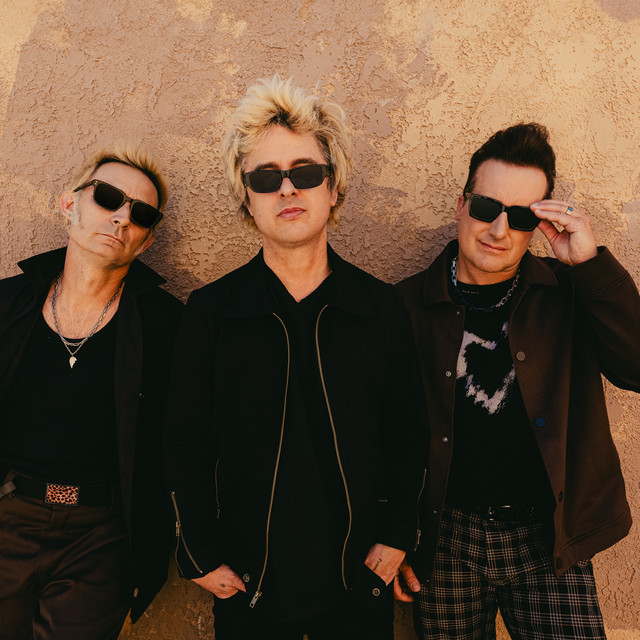
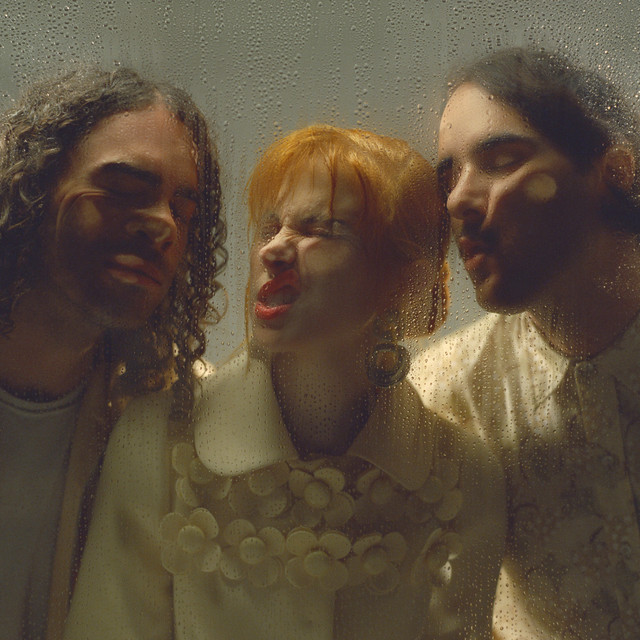
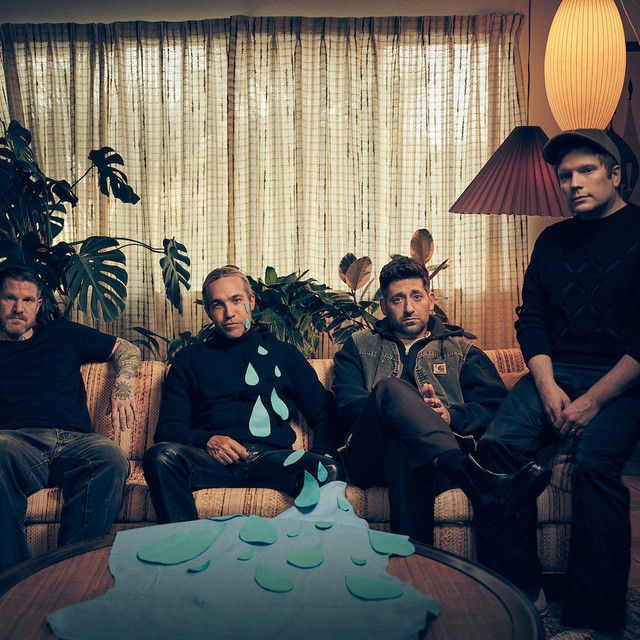
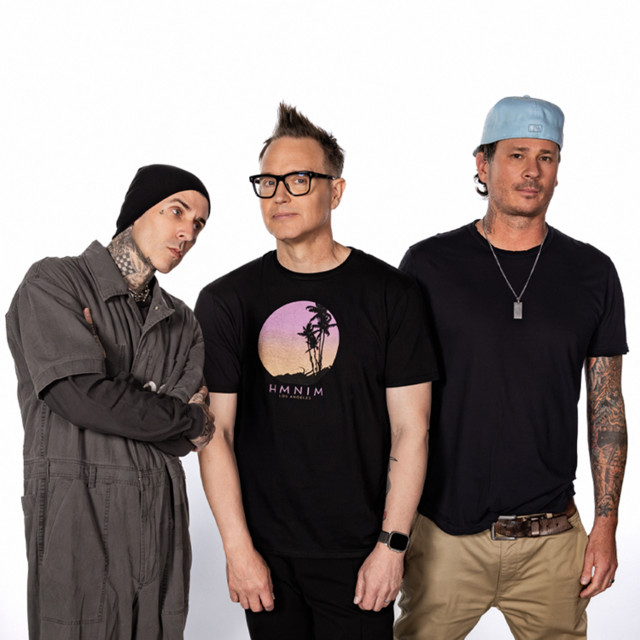
Ambassadors of the genre include a broad roster of acts that helped define its sound and attitude. Green Day and The Offspring are frequently cited as the faces of 1990s pop punk, with Blink-182 driving a broader, cheekier variety of the formula. Canadian bands like Sum 41 and Simple Plan broadened the geographic map, while Good Charlotte, New Found Glory, and undercurrents from the UK and Australia widened the international appeal. Later, bands such as Paramore, Fall Out Boy, and Neck Deep—along with the ongoing 2000s-and-beyond revival—kept pop punk in dialogue with emo, alternative rock, and even metal influences, ensuring its continued relevance.
Geographically, pop punk has found its strongest homes in the United States, the United Kingdom, Canada, and Australia, with fervent fanbases in many parts of Europe and Asia. Its universality lies in shared themes—youth, rebellion, friendship, and heartbreak—expressed through a musical language that remains direct, anthemic, and unpretentiously fun. For enthusiasts approaching pop punk today, the genre offers a microcosm of punk’s grit and pop’s immediacy, still capable of turning a fleeting moment of frustration into a chorus you’ll want to shout along with, again and again.
The genre’s roots reach back to the late 1970s and early 1980s, where deliberately accessible melodies met punk’s DIY ethos. In the United States and the United Kingdom, bands began to fuse sharp riffs with catchy song structures, drawing on the Ramones’ compressed energy, the melodic sensibilities of the Buzzcocks, and the punchy punch of early British punk. In practice, pop punk grew out of a punk scene that wasn’t afraid to embrace pop hooks, resulting in tracks that could speed through a verse and land on a chorus you could shout along to. The Descendents and other West Coast acts helped anchor a distinctly American strand, while British and Irish bands added a Brit-pop/punk sensibility that would influence countless later groups.
The mid-1990s mark Pop Punk’s breakthrough into the mainstream. Green Day’s Dookie and The Offspring’s Smash became soundtrack staples for a wide audience, proving that punk energy could coexist with polished production and radio-friendly melodies. Bands like Blink-182 soon built on that template, pairing irreverent humor with razor-sharp hooks. The scene spread across North America and Europe, spawning vibrant local scenes in cities from San Diego to London, from Toronto to Melbourne. By the late 1990s and early 2000s, pop punk had become a recognizable category on MTV, in major festival lineups, and in the shelves of major labels, while remaining rooted in a youth-oriented, often self-reliant ethos.
Ambassadors of the genre include a broad roster of acts that helped define its sound and attitude. Green Day and The Offspring are frequently cited as the faces of 1990s pop punk, with Blink-182 driving a broader, cheekier variety of the formula. Canadian bands like Sum 41 and Simple Plan broadened the geographic map, while Good Charlotte, New Found Glory, and undercurrents from the UK and Australia widened the international appeal. Later, bands such as Paramore, Fall Out Boy, and Neck Deep—along with the ongoing 2000s-and-beyond revival—kept pop punk in dialogue with emo, alternative rock, and even metal influences, ensuring its continued relevance.
Geographically, pop punk has found its strongest homes in the United States, the United Kingdom, Canada, and Australia, with fervent fanbases in many parts of Europe and Asia. Its universality lies in shared themes—youth, rebellion, friendship, and heartbreak—expressed through a musical language that remains direct, anthemic, and unpretentiously fun. For enthusiasts approaching pop punk today, the genre offers a microcosm of punk’s grit and pop’s immediacy, still capable of turning a fleeting moment of frustration into a chorus you’ll want to shout along with, again and again.