Genre
pop québécoise
Top Pop québécoise Artists
Showing 25 of 418 artists
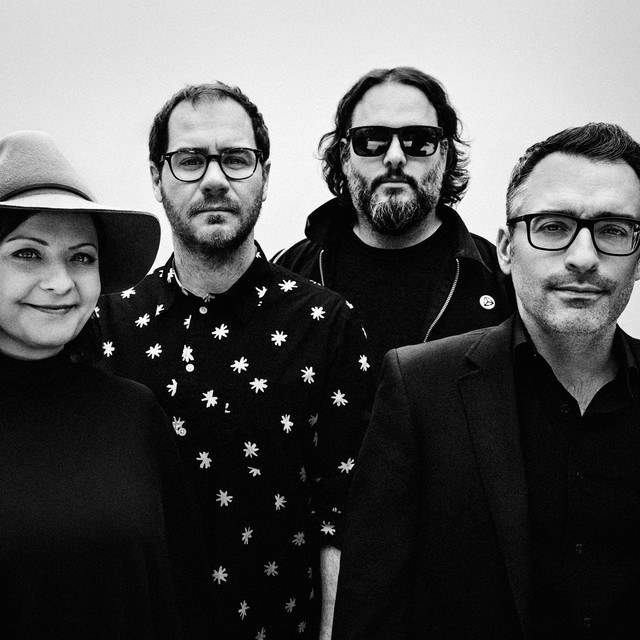

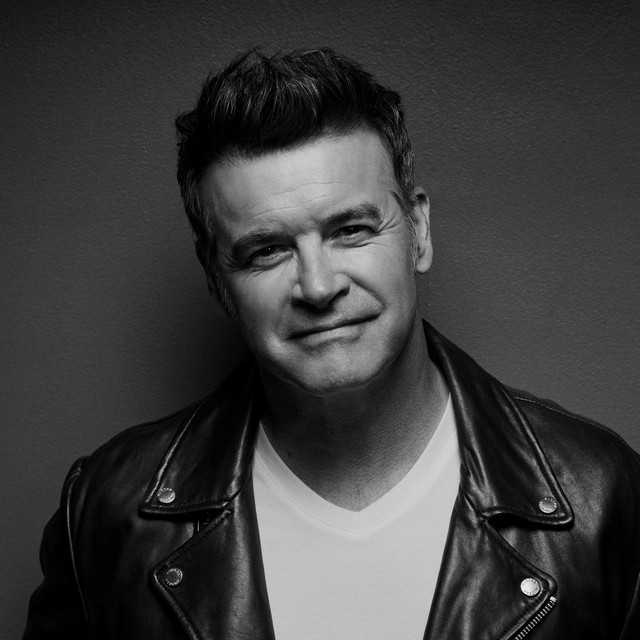

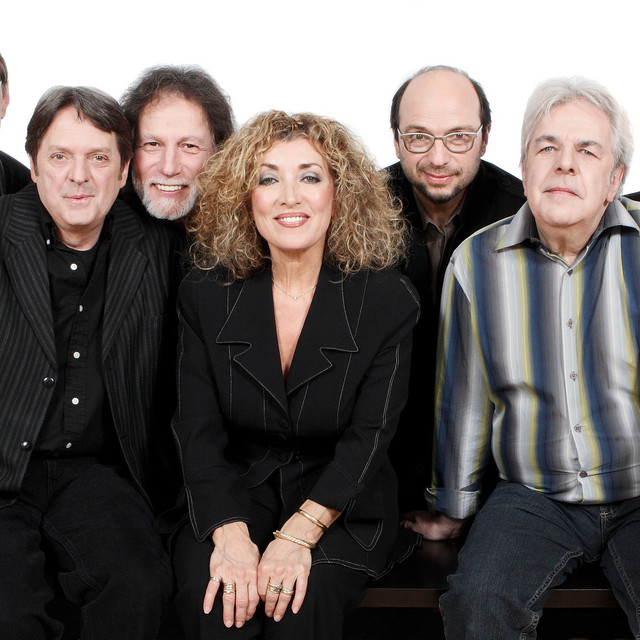

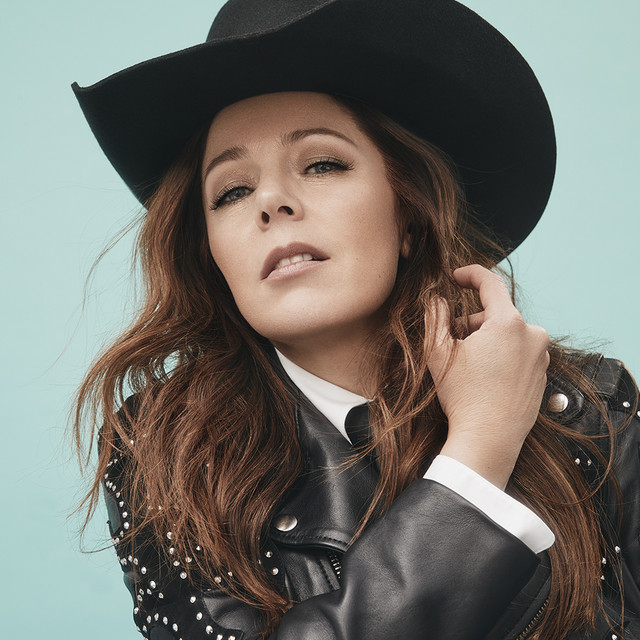








About Pop québécoise
Pop québécoise is the French-language pop music of Quebec, a distinct current that grew out of the province’s cultural revival and urban imagination. Born from the post‑Quiet Revolution era of the 1960s, it emerged as artists began to write and perform in their own language for a mass audience, blending chanson tradition with rock, folk, and, later, electronic textures. What makes the genre recognizable is its emphasis on melody and storytelling, its sense of place in Quebec’s language politics, and a willingness to evolve by absorbing new sounds without losing its French-rooted identity.
If you trace its early lineages, you’ll meet the pioneers who set the template: Robert Charlebois and Gilles Vigneault helped redefine modern Quebec song by marrying poetic French lyrics to contemporary musical forms. Claude Dubois, and later figures like Harmonium and Beau Dommage, built a bridge from traditional chanson toward a more pop‑oriented sensibility. The 1970s and 1980s solidified a homegrown pop-rock canon—dense with harmonies, hook-laden refrains, and a strong singer‑songwriter ethos—that would inform two generations of artists to come.
In the 1990s and 2000s, pop québécoise broadened its palette. Singer‑songwriters like Daniel Bélanger and Pierre Lapointe blended intimate lyricism with refined production, while Ariane Moffatt and others introduced indie pop and electronic flourishes without abandoning francophone lyricism. The scene also gave rise to more accessible, radio‑friendly acts such as Marie-Mai, who bridged pop‑rock and teen pop, and Coeur de pirate (Beatrice Martin), whose piano-forward, melodic pop became emblematic of a newer Quebec sound that could be both intimate and expansive. The genre kept its soul—the storytelling, the sense of mood and color in the arrangements—while welcoming new textures from electro, folk, and synth‑pop.
Today, a key characteristic of pop québécoise is its versatility. You’ll hear lush ballads, upbeat anthems, and introspective songs that feel like diary entries set to hooky melodies. The language remains the main instrument: French phrasing, wordplay, and lyric precision are treated as essential musical ingredients. Quebec’s pop scene also prizes artist collectivity and live performance, with festivals like the Festival d’été de Québec and a vibrant club circuit that feeds both national pride and cross-genre experimentation. The result is a sound that can feel cinematic, intimate, or anthemic, often with a distinctly Montreal‑accented cosmopolitan energy.
Ambassadors of the genre span generations. Celine Dion, though globally famous and not confined to a single scene, began in Quebec and helped prove that French-language pop could reach massive international arenas. In more recent years, artists such as Pierre Lapointe, Cœur de pirate, Ariane Moffatt, and Marie‑Mai have carried the torch for contemporary Quebec pop, each bringing a signature voice while reaffirming the francophone heartbeat of the music. Pop québécoise remains beloved in its homeland and cherished by francophone audiences abroad—France, Belgium, Switzerland, and the broader Francophone world—where listeners discover a Quebec that writes vivid stories, sings in a nuanced French, and keeps reinventing its pop tradition.
If you trace its early lineages, you’ll meet the pioneers who set the template: Robert Charlebois and Gilles Vigneault helped redefine modern Quebec song by marrying poetic French lyrics to contemporary musical forms. Claude Dubois, and later figures like Harmonium and Beau Dommage, built a bridge from traditional chanson toward a more pop‑oriented sensibility. The 1970s and 1980s solidified a homegrown pop-rock canon—dense with harmonies, hook-laden refrains, and a strong singer‑songwriter ethos—that would inform two generations of artists to come.
In the 1990s and 2000s, pop québécoise broadened its palette. Singer‑songwriters like Daniel Bélanger and Pierre Lapointe blended intimate lyricism with refined production, while Ariane Moffatt and others introduced indie pop and electronic flourishes without abandoning francophone lyricism. The scene also gave rise to more accessible, radio‑friendly acts such as Marie-Mai, who bridged pop‑rock and teen pop, and Coeur de pirate (Beatrice Martin), whose piano-forward, melodic pop became emblematic of a newer Quebec sound that could be both intimate and expansive. The genre kept its soul—the storytelling, the sense of mood and color in the arrangements—while welcoming new textures from electro, folk, and synth‑pop.
Today, a key characteristic of pop québécoise is its versatility. You’ll hear lush ballads, upbeat anthems, and introspective songs that feel like diary entries set to hooky melodies. The language remains the main instrument: French phrasing, wordplay, and lyric precision are treated as essential musical ingredients. Quebec’s pop scene also prizes artist collectivity and live performance, with festivals like the Festival d’été de Québec and a vibrant club circuit that feeds both national pride and cross-genre experimentation. The result is a sound that can feel cinematic, intimate, or anthemic, often with a distinctly Montreal‑accented cosmopolitan energy.
Ambassadors of the genre span generations. Celine Dion, though globally famous and not confined to a single scene, began in Quebec and helped prove that French-language pop could reach massive international arenas. In more recent years, artists such as Pierre Lapointe, Cœur de pirate, Ariane Moffatt, and Marie‑Mai have carried the torch for contemporary Quebec pop, each bringing a signature voice while reaffirming the francophone heartbeat of the music. Pop québécoise remains beloved in its homeland and cherished by francophone audiences abroad—France, Belgium, Switzerland, and the broader Francophone world—where listeners discover a Quebec that writes vivid stories, sings in a nuanced French, and keeps reinventing its pop tradition.