Genre
pop violin
Top Pop violin Artists
Showing 25 of 36 artists










About Pop violin
Pop violin is a contemporary fusion that places the violin at the heart of melodic pop textures, often merging virtuosic bowing with electronic grooves, punchy hooks, and danceable rhythms. It isn’t a single fixed style so much as a family of approaches: virtuosic violin lines layered over pop, EDM, rock, or film-score aesthetics, with performances that emphasize accessibility, immediacy, and a cinematic sense of energy. The result is music that can feel both intimate and stadium-sized, intimate in phrasing and expressive, expansive in production.
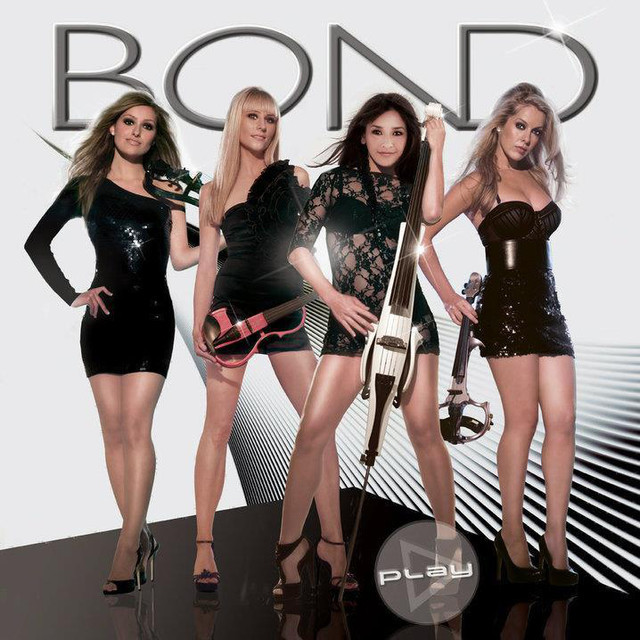
The modern birth of pop violin can be tracked to a mid- to late-20th-century desire to bring classical technique into the pop realm, but the genre really hit its stride in the 1990s and beyond. Vanessa-Mae helped standardize the crossover idea by fusing classical violin with techno beats and contemporary pop sensibilities, challenging the notion of what a violin could do in popular music. In the early 2000s, violinists such as David Garrett expanded the concept further, presenting album projects and live shows that reinterpret classical repertoire with rock/ pop inflections and high-gloss production. The scene broadened again with artists who used the internet as a launchpad—Lindsey Stirling, whose 2010s wave of violin-led EDM videos combined virtuosic playing with choreographed performance, brought the sound to millions of online listeners. Meanwhile, groups like Bond and Escala pushed the idea of string quartets oriented toward cinematic, pop-forward arrangements, often blurring lines between soundtrack music and pop culture.
What distinguishes pop violin today is a blend of fierce technique with contemporary production. You’ll hear electric or amplified violins, looped bass lines, synth pads, and drum programs alongside soaring melodic arcs and expressive bow work. The genre often uses crossover tactics: reimagined pop songs, original tunes written for violin-led formats, or instrumental pieces designed to sit comfortably beside vocal pop, dance music, or rock tracks. Performances emphasize motion and storytelling—violinists often incorporate stage movement or choreography, pairing visual drama with sonic impact. The result is a sonic palette that can be intimate and lyrical or punchy and club-friendly, sometimes within a single track.
Ambassadors of the genre include Lindsey Stirling, who fused violin with EDM and dance while building a global audience on video platforms; Vanessa-Mae, a trailblazer who popularized a high-energy crossover approach; and David Garrett, who brought classical virtuosity into mainstream pop-rock contexts. Beyond them, acts like Bond and Escala—string ensembles that lean into cinematic pop—have helped normalize a violin-centered aesthetic in popular culture. Notable journalists and producers who champion crossover projects also keep the scene thriving.
Pop violin enjoys particular popularity in the United States and the United Kingdom, where pop crossover projects routinely reach broad audiences. It has strong followings in parts of Europe and Asia as well, including Japan and South Korea, where aesthetic polish, precise technique, and multimedia presentation resonate with fans of both pop and instrumental music. With streaming and social media continuing to lower barriers to discovery, the genre shows every sign of expanding, inviting new violin voices to blend tradition with the bold energy of contemporary pop.
The modern birth of pop violin can be tracked to a mid- to late-20th-century desire to bring classical technique into the pop realm, but the genre really hit its stride in the 1990s and beyond. Vanessa-Mae helped standardize the crossover idea by fusing classical violin with techno beats and contemporary pop sensibilities, challenging the notion of what a violin could do in popular music. In the early 2000s, violinists such as David Garrett expanded the concept further, presenting album projects and live shows that reinterpret classical repertoire with rock/ pop inflections and high-gloss production. The scene broadened again with artists who used the internet as a launchpad—Lindsey Stirling, whose 2010s wave of violin-led EDM videos combined virtuosic playing with choreographed performance, brought the sound to millions of online listeners. Meanwhile, groups like Bond and Escala pushed the idea of string quartets oriented toward cinematic, pop-forward arrangements, often blurring lines between soundtrack music and pop culture.
What distinguishes pop violin today is a blend of fierce technique with contemporary production. You’ll hear electric or amplified violins, looped bass lines, synth pads, and drum programs alongside soaring melodic arcs and expressive bow work. The genre often uses crossover tactics: reimagined pop songs, original tunes written for violin-led formats, or instrumental pieces designed to sit comfortably beside vocal pop, dance music, or rock tracks. Performances emphasize motion and storytelling—violinists often incorporate stage movement or choreography, pairing visual drama with sonic impact. The result is a sonic palette that can be intimate and lyrical or punchy and club-friendly, sometimes within a single track.
Ambassadors of the genre include Lindsey Stirling, who fused violin with EDM and dance while building a global audience on video platforms; Vanessa-Mae, a trailblazer who popularized a high-energy crossover approach; and David Garrett, who brought classical virtuosity into mainstream pop-rock contexts. Beyond them, acts like Bond and Escala—string ensembles that lean into cinematic pop—have helped normalize a violin-centered aesthetic in popular culture. Notable journalists and producers who champion crossover projects also keep the scene thriving.
Pop violin enjoys particular popularity in the United States and the United Kingdom, where pop crossover projects routinely reach broad audiences. It has strong followings in parts of Europe and Asia as well, including Japan and South Korea, where aesthetic polish, precise technique, and multimedia presentation resonate with fans of both pop and instrumental music. With streaming and social media continuing to lower barriers to discovery, the genre shows every sign of expanding, inviting new violin voices to blend tradition with the bold energy of contemporary pop.