Genre
portuguese indie
Top Portuguese indie Artists
Showing 25 of 57 artists















About Portuguese indie
Portuguese indie is the sunlit, guitar-driven branch of Portugal’s modern rock and pop scenes. It thrives on intimate, lyric-forward songs in Portuguese (and occasionally in English), blending indie rock, dream pop, folk textures, and a DIY ethic. The result is music that often feels both grounded in Portuguese urban life and refreshingly cosmopolitan, with a mood that can be reflective, urgent, or quietly jubilant.
Origin and birth
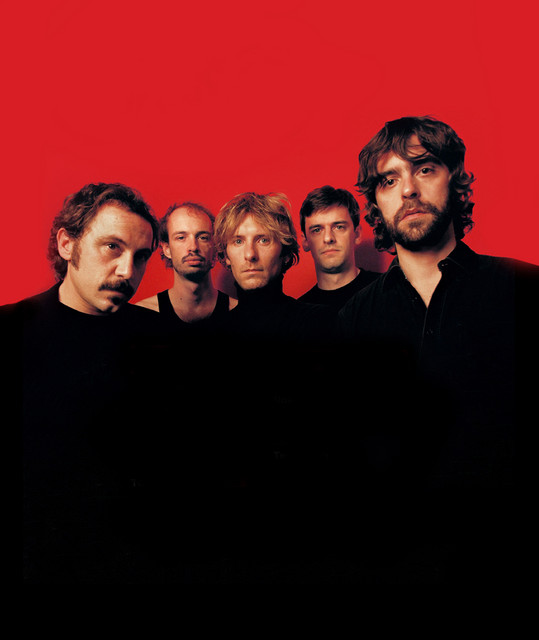
The roots go back to the late 1980s and blossomed through the 1990s, when Portuguese bands began releasing records outside the major-label system and playing in smaller venues that encouraged experimentation. A watershed moment is widely cited in Ornatos Violeta, a Porto quartet formed in 1991 whose emotive guitars and literate Portuguese lyrics helped define the Portuguese indie sound. Their 1997 breakthrough album O Monstro Precisa de Amigos became a touchstone for a whole generation. As the scene matured, Lisbon and other cities embraced a broader spectrum—from intimate singer‑songwriter forms to louder, more exploratory works—while maintaining a stubborn independence that remains central to the genre’s ethos.
Ambassadors and key acts
- Ornatos Violeta — the archetype for Portuguese indie’s emotional depth and melodic range.
- The Gift — a flagship act that helped bring Portuguese indie into wider European consciousness with crisp production and catchy, boundary-pushing songs.
- Linda Martini — a pivotal force with a sharper, more abrasive edge that pushed indie rock into adventurous territory.
- Capitão Fausto — a jaunty, melodic voice of modern Portuguese indie in the 2010s, balancing classic influence with contemporary craft.
- Deolinda — a bridge between tradition and modernity, blending folk-informed storytelling with indie sensibilities.
- Paus — a newer voice in the scene, known for dense, guitar-forward compositions and strong live presence.
Together, these acts illustrate the genre’s breadth: from melancholic ballads to punchy indie pop, to experimental rock, all sung in Portuguese or with a strong Portuguese sensibility.
Sound, mood, and language
Portuguese indie is defined less by a single sound than by a shared approach: strong emphasis on melody and lyric clarity, a willingness to experiment with textures (guitars, keys, even electronic touches), and a storytelling impulse rooted in everyday life. The language itself—Portuguese—often becomes a musical instrument, delivering nuanced emotion and imagery that resonate with both local listeners and international fans who crave authentic, regionally flavored indie.
Geography and reach
The core audience remains in Portugal’s major cities—Lisbon, Porto, and their surrounding scenes—yet the music travels well beyond national borders. It has found receptive listeners in Spain, Brazil (where the shared language and cultural ties help cross‑over), and broader European audiences through tours, festivals, and streaming platforms. Independent labels, intimate venues, and festivals nurture its growth, while platforms like Bandcamp and streaming services make Portuguese-language indie accessible to curious listeners worldwide.
Why it matters
Portuguese indie stands out for its sense of place without being provincial: a wry, poetic, and emotionally direct lineage that speaks to both saudade and modern, urban life. It invites listeners into a distinctly Portuguese sonic world while remaining open to global influences, ensuring the scene stays vibrant, evolving, and deeply human.
Origin and birth
The roots go back to the late 1980s and blossomed through the 1990s, when Portuguese bands began releasing records outside the major-label system and playing in smaller venues that encouraged experimentation. A watershed moment is widely cited in Ornatos Violeta, a Porto quartet formed in 1991 whose emotive guitars and literate Portuguese lyrics helped define the Portuguese indie sound. Their 1997 breakthrough album O Monstro Precisa de Amigos became a touchstone for a whole generation. As the scene matured, Lisbon and other cities embraced a broader spectrum—from intimate singer‑songwriter forms to louder, more exploratory works—while maintaining a stubborn independence that remains central to the genre’s ethos.
Ambassadors and key acts
- Ornatos Violeta — the archetype for Portuguese indie’s emotional depth and melodic range.
- The Gift — a flagship act that helped bring Portuguese indie into wider European consciousness with crisp production and catchy, boundary-pushing songs.
- Linda Martini — a pivotal force with a sharper, more abrasive edge that pushed indie rock into adventurous territory.
- Capitão Fausto — a jaunty, melodic voice of modern Portuguese indie in the 2010s, balancing classic influence with contemporary craft.
- Deolinda — a bridge between tradition and modernity, blending folk-informed storytelling with indie sensibilities.
- Paus — a newer voice in the scene, known for dense, guitar-forward compositions and strong live presence.
Together, these acts illustrate the genre’s breadth: from melancholic ballads to punchy indie pop, to experimental rock, all sung in Portuguese or with a strong Portuguese sensibility.
Sound, mood, and language
Portuguese indie is defined less by a single sound than by a shared approach: strong emphasis on melody and lyric clarity, a willingness to experiment with textures (guitars, keys, even electronic touches), and a storytelling impulse rooted in everyday life. The language itself—Portuguese—often becomes a musical instrument, delivering nuanced emotion and imagery that resonate with both local listeners and international fans who crave authentic, regionally flavored indie.
Geography and reach
The core audience remains in Portugal’s major cities—Lisbon, Porto, and their surrounding scenes—yet the music travels well beyond national borders. It has found receptive listeners in Spain, Brazil (where the shared language and cultural ties help cross‑over), and broader European audiences through tours, festivals, and streaming platforms. Independent labels, intimate venues, and festivals nurture its growth, while platforms like Bandcamp and streaming services make Portuguese-language indie accessible to curious listeners worldwide.
Why it matters
Portuguese indie stands out for its sense of place without being provincial: a wry, poetic, and emotionally direct lineage that speaks to both saudade and modern, urban life. It invites listeners into a distinctly Portuguese sonic world while remaining open to global influences, ensuring the scene stays vibrant, evolving, and deeply human.