Genre
salsa
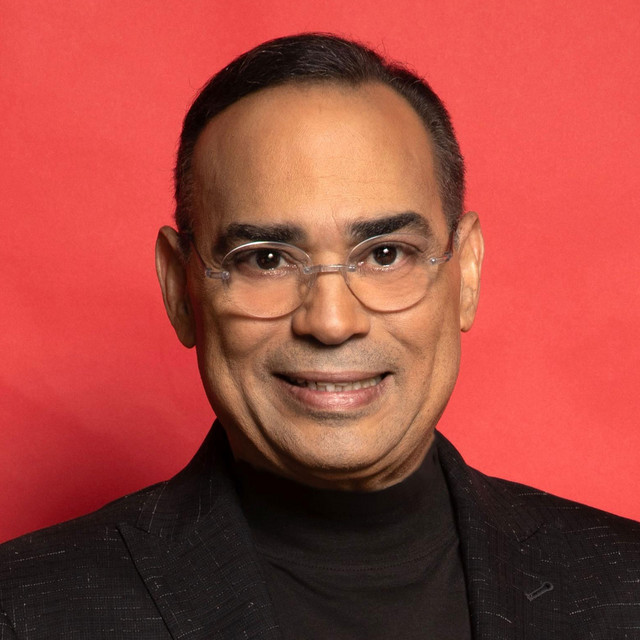
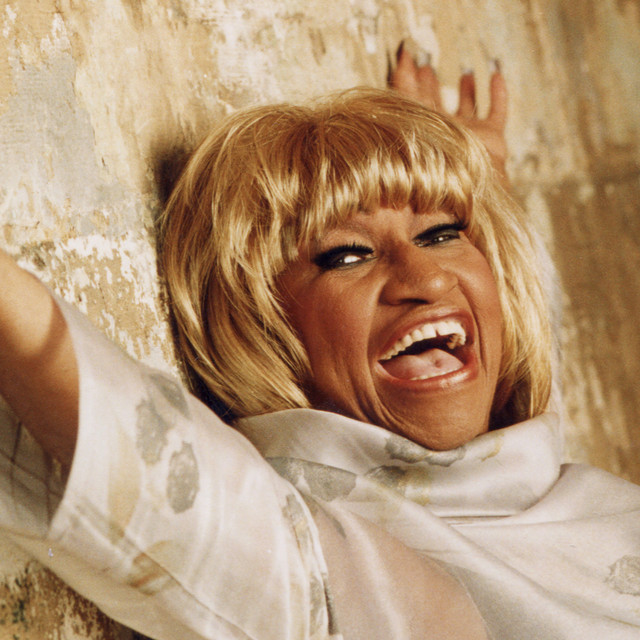
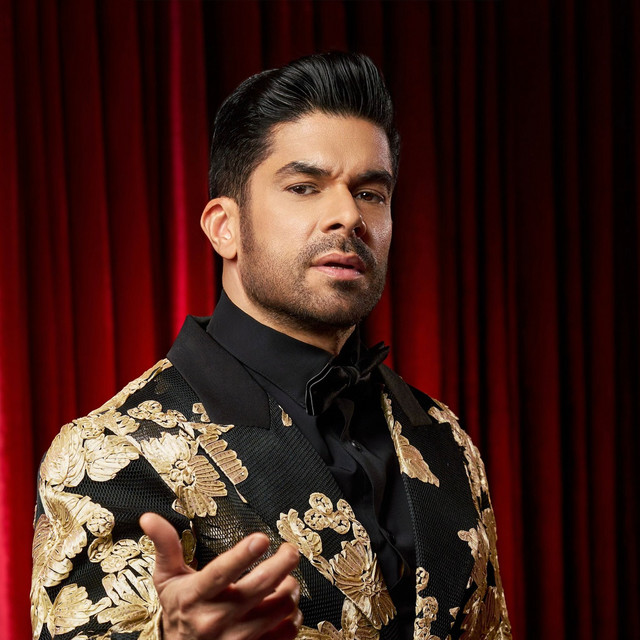
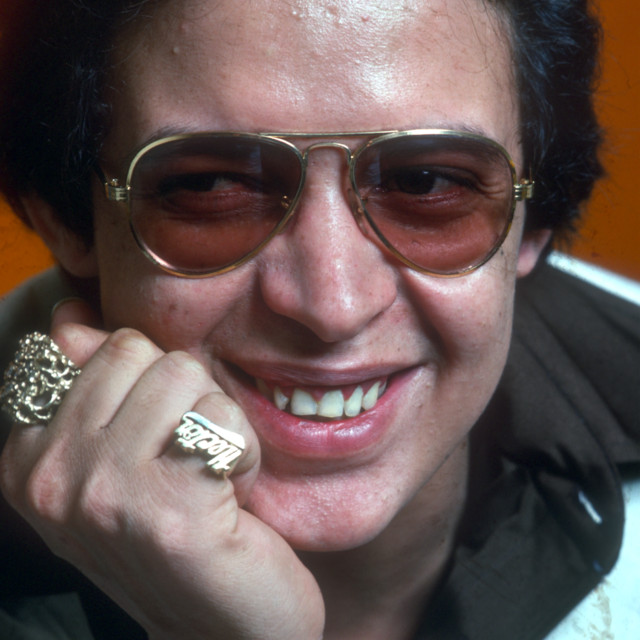
Top Salsa Artists
Showing 25 of 1,884 artists
About Salsa
Salsa is a vibrant, dance-friendly music genre born in the melting-pot streets of New York City in the 1960s, drawing on Afro-Cuban son montuno, mambo, rumba, and cha-cha-cha, while absorbing jazz harmonies and American big-band energy. Its essence is rhythmic drive and communal call-and-response, built on the clave—the 3-2 or 2-3 pattern that locks percussion, piano, horns, and bass into a contagious groove.
Origins: In the mid-20th century, Cuban-migrant and Puerto Rican communities in NYC fused their traditions with local jazz and Latin big bands. The term salsa emerged as a marketing umbrella in the 1960s and 1970s, popularized by Fania Records, headed by producer Jerry Masucci and guitarist/bandleader Johnny Pacheco. The Fania All-Stars—a rotating supergroup of Salsa’s best—became the genre’s touring ambassadors. Their 1973 Live at Yankee Stadium concert is widely cited as a landmark that brought salsa to mass audiences beyond ethnic clubs.
Key artists and ambassadors: Machito and his Afro-Cubans laid the foundational cross-cultural approach; Tito Puente, Ray Barretto, and Eddie Palmieri pushed instrumental virtuosity and arrangers’ ingenuity; Celia Cruz emerged as the queen of salsa, captivating audiences worldwide with a commanding voice and charisma. Within Fania’s ranks, Héctor Lavoe’s singing and storytelling, Willie Colón’s sweeping arrangements, and Rubén Blades’s sharp, socially aware songs defined the urban salsa era. Johnny Pacheco himself helped codify the sound, while others like Ismael Miranda and Larry Harlow expanded the repertoire. The reach extended to Latin American and European listeners, turning salsa into a global experience.
Rhythms, instrumentation, and style: A typical salsa ensemble features congas, timbales, bongos, piano, bass, and horns—often trumpets and trombones—performing tight, polyrhythmic grooves anchored by the clave and montuno sections. Improvisation, descarga jams, and dynamic solos add spontaneity, whether in fast-dancing salsa dura or more melodic, romantic passages.
Subgenres and evolution: Salsa dura (hard salsa) emphasizes brisk tempos and percussion; salsa romantica (romantic salsa) favors smoother melodies and ballads; timba, born in Cuba, blends funk, jazz, and extended improvisation to push the rhythm section even further. Each thread preserves the core of salsa—feel, rhythm, and flamboyant phrasing—while allowing local flavors to bloom.
Global footprint: Salsa is especially vibrant in Colombia (Cali and Barranquilla), the United States (New York and Florida), Puerto Rico, Cuba, the Dominican Republic, and Venezuela. It also enjoys a strong presence in Spain, Italy, and Japan, where fans connect with its infectious energy.
Dance and culture: Salsa is as much about motion as music. The two-step turns, cross-body leads, and spin-heavy partner work mirror the call-and-response vitality of the recordings, turning clubs into microcosms of the Afro-Cuban-rooted diaspora. For music enthusiasts, salsa offers a history you can hear in the albums and feel on the dance floor—a living bridge between Caribbean roots and urban innovation.
Origins: In the mid-20th century, Cuban-migrant and Puerto Rican communities in NYC fused their traditions with local jazz and Latin big bands. The term salsa emerged as a marketing umbrella in the 1960s and 1970s, popularized by Fania Records, headed by producer Jerry Masucci and guitarist/bandleader Johnny Pacheco. The Fania All-Stars—a rotating supergroup of Salsa’s best—became the genre’s touring ambassadors. Their 1973 Live at Yankee Stadium concert is widely cited as a landmark that brought salsa to mass audiences beyond ethnic clubs.
Key artists and ambassadors: Machito and his Afro-Cubans laid the foundational cross-cultural approach; Tito Puente, Ray Barretto, and Eddie Palmieri pushed instrumental virtuosity and arrangers’ ingenuity; Celia Cruz emerged as the queen of salsa, captivating audiences worldwide with a commanding voice and charisma. Within Fania’s ranks, Héctor Lavoe’s singing and storytelling, Willie Colón’s sweeping arrangements, and Rubén Blades’s sharp, socially aware songs defined the urban salsa era. Johnny Pacheco himself helped codify the sound, while others like Ismael Miranda and Larry Harlow expanded the repertoire. The reach extended to Latin American and European listeners, turning salsa into a global experience.
Rhythms, instrumentation, and style: A typical salsa ensemble features congas, timbales, bongos, piano, bass, and horns—often trumpets and trombones—performing tight, polyrhythmic grooves anchored by the clave and montuno sections. Improvisation, descarga jams, and dynamic solos add spontaneity, whether in fast-dancing salsa dura or more melodic, romantic passages.
Subgenres and evolution: Salsa dura (hard salsa) emphasizes brisk tempos and percussion; salsa romantica (romantic salsa) favors smoother melodies and ballads; timba, born in Cuba, blends funk, jazz, and extended improvisation to push the rhythm section even further. Each thread preserves the core of salsa—feel, rhythm, and flamboyant phrasing—while allowing local flavors to bloom.
Global footprint: Salsa is especially vibrant in Colombia (Cali and Barranquilla), the United States (New York and Florida), Puerto Rico, Cuba, the Dominican Republic, and Venezuela. It also enjoys a strong presence in Spain, Italy, and Japan, where fans connect with its infectious energy.
Dance and culture: Salsa is as much about motion as music. The two-step turns, cross-body leads, and spin-heavy partner work mirror the call-and-response vitality of the recordings, turning clubs into microcosms of the Afro-Cuban-rooted diaspora. For music enthusiasts, salsa offers a history you can hear in the albums and feel on the dance floor—a living bridge between Caribbean roots and urban innovation.