Genre
post-grunge
Top Post-grunge Artists
Showing 25 of 715 artists



















About Post-grunge
Post-grunge is the late-1990s’ and early-2000s successor to the grunge explosion, a wave of bands that kept the guitar crunch and emotional directness of Seattle’s sound but wrapped it in glossier production, more defined hooks, and a broader radio appeal. If grunge sounded like a fever dream forged in the rain, post-grunge polished the edges without losing the core appetite for melodic grit. The result was a stream of compact, anthemic rock songs that could fill arenas and ears alike.
Origins and shape. Post-grunge emerged as major-label interest shifted from the raw blitz of early grunge to commercially viable rock that could cross into mainstream formats. By the mid-to-late 1990s, bands in the United States and abroad began to reinterpret the spirit of grunge—confessional lyrics, heavy guitar, and a sense of turbulence—through cleaner production, tighter song structures, and more pronounced choruses. It’s not a single sound, but a family trait: muscular guitars, assertive drum lines, and vocal melodies that invite sing-alongs rather than just head-nod appreciation. The era also brought a move away from Nirvana’s stark, abrasive dynamic toward a more consistently radio-friendly rock sound with lasting appeal.
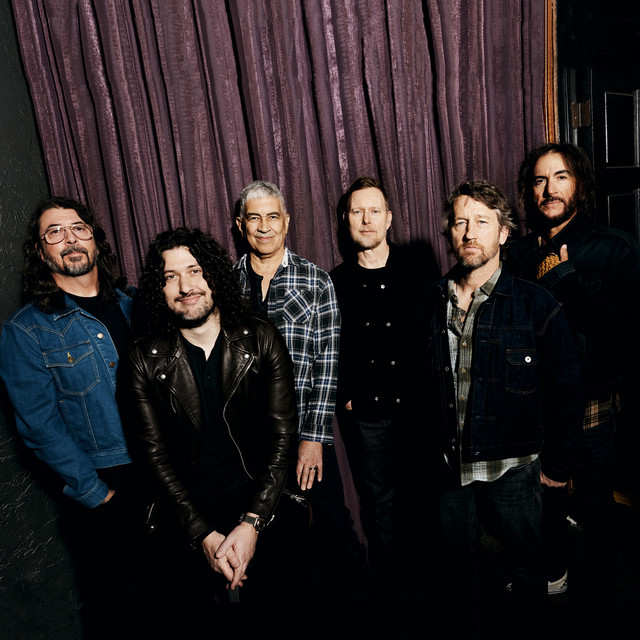
Key artists and ambassadors. Foo Fighters stand as the flagship post-grunge act. Dave Grohl’s project after Nirvana quickly became a template for the movement: sturdy riffs, witty-and-sincere lyricism, and enduring choruses. Creed and Nickelback became chart-topping beacons of the more polished end of the spectrum, combining earnest lyrics with big, memorable hooks. Matchbox Twenty, Staind, and Puddle of Mudd advanced the formula with tight arrangements and accessible melodies. In the British sphere, Bush helped bridge grunge’s rougher edge with a similarly anthemic, radio-oriented approach. Seether and 3 Doors Down later carried the cross-continental appeal, while bands like Live and Collective Soul—often discussed in the same breath—helped anchor the broader post-grunge identity. Taken together, these acts defined a sound that was less about the angst that defined grunge and more about the urgent, chorus-driven rock that could be heard on mainstream radio and in stadiums.
Geography and popularity. Post-grunge found especially strong footholds in the United States and Canada, where the sound grew out of a domestic alternative-rock ecosystem and mainstream rock radio. It also gained substantial traction across Europe—particularly the UK, Germany, and Scandinavia—and in Australia, where arena-friendly rock found a ready audience. While it was most prominent in Anglophone markets, its influence touched many non-English-speaking scenes, contributing to a broader wave of accessible, guitar-driven rock globally. In the 2000s and beyond, the line between post-grunge and broader alternative rock blurred, with many bands shedding or adopting elements of both identities.
Legacy. Post-grunge fed a generation of bands that prioritized melodic strength and durable riffs without surrendering emotional intensity. It helped pave the way for later alt-rock and modern rock radio staples, proving that the tension between gritty roots and polished delivery could yield both critical and commercial success. For enthusiasts, the genre offers a catalog of tightly crafted anthems—songs that sound big, feel direct, and still carry the existential weight that first drew listeners to grunge, only with a slightly brighter halo.
Origins and shape. Post-grunge emerged as major-label interest shifted from the raw blitz of early grunge to commercially viable rock that could cross into mainstream formats. By the mid-to-late 1990s, bands in the United States and abroad began to reinterpret the spirit of grunge—confessional lyrics, heavy guitar, and a sense of turbulence—through cleaner production, tighter song structures, and more pronounced choruses. It’s not a single sound, but a family trait: muscular guitars, assertive drum lines, and vocal melodies that invite sing-alongs rather than just head-nod appreciation. The era also brought a move away from Nirvana’s stark, abrasive dynamic toward a more consistently radio-friendly rock sound with lasting appeal.
Key artists and ambassadors. Foo Fighters stand as the flagship post-grunge act. Dave Grohl’s project after Nirvana quickly became a template for the movement: sturdy riffs, witty-and-sincere lyricism, and enduring choruses. Creed and Nickelback became chart-topping beacons of the more polished end of the spectrum, combining earnest lyrics with big, memorable hooks. Matchbox Twenty, Staind, and Puddle of Mudd advanced the formula with tight arrangements and accessible melodies. In the British sphere, Bush helped bridge grunge’s rougher edge with a similarly anthemic, radio-oriented approach. Seether and 3 Doors Down later carried the cross-continental appeal, while bands like Live and Collective Soul—often discussed in the same breath—helped anchor the broader post-grunge identity. Taken together, these acts defined a sound that was less about the angst that defined grunge and more about the urgent, chorus-driven rock that could be heard on mainstream radio and in stadiums.
Geography and popularity. Post-grunge found especially strong footholds in the United States and Canada, where the sound grew out of a domestic alternative-rock ecosystem and mainstream rock radio. It also gained substantial traction across Europe—particularly the UK, Germany, and Scandinavia—and in Australia, where arena-friendly rock found a ready audience. While it was most prominent in Anglophone markets, its influence touched many non-English-speaking scenes, contributing to a broader wave of accessible, guitar-driven rock globally. In the 2000s and beyond, the line between post-grunge and broader alternative rock blurred, with many bands shedding or adopting elements of both identities.
Legacy. Post-grunge fed a generation of bands that prioritized melodic strength and durable riffs without surrendering emotional intensity. It helped pave the way for later alt-rock and modern rock radio staples, proving that the tension between gritty roots and polished delivery could yield both critical and commercial success. For enthusiasts, the genre offers a catalog of tightly crafted anthems—songs that sound big, feel direct, and still carry the existential weight that first drew listeners to grunge, only with a slightly brighter halo.