Last updated: 2 days ago
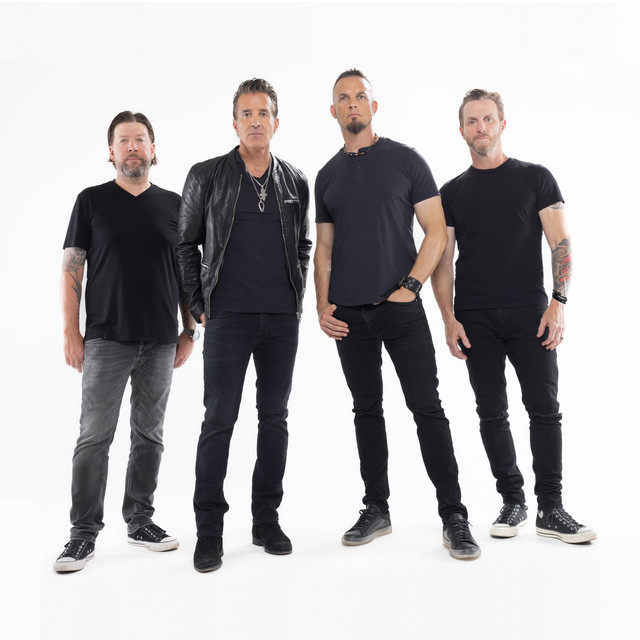
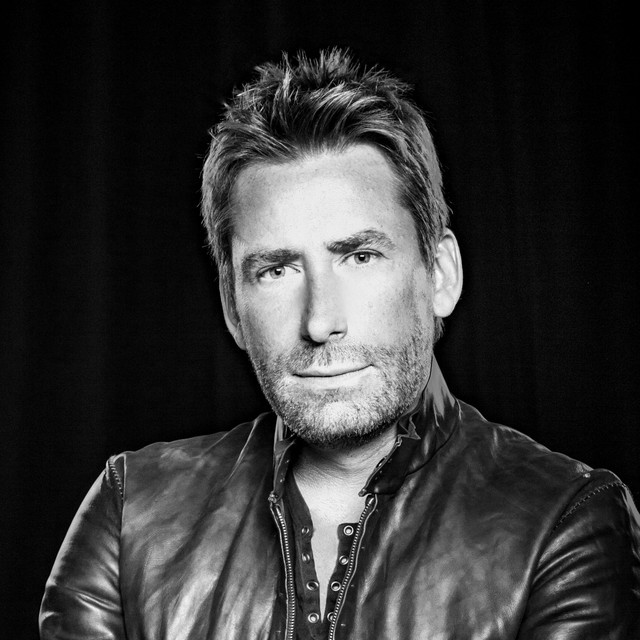
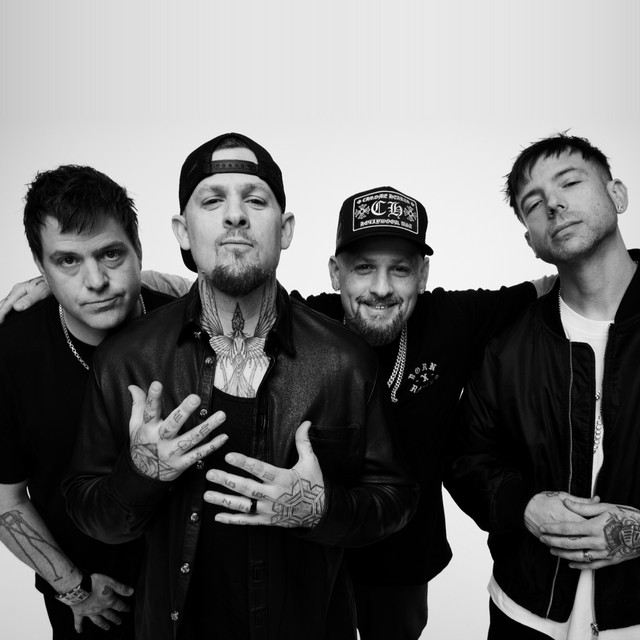
Nickelback makes loud, emotional rock with just enough pop sheen to carry them consistently to mainstream success. They took heavy post-grunge into the 2000s, and by most measures, the Canadian group were the most popular rockers of that decade, ruling rock radio from the moment "How You Remind Me" went to number one in both Canada and the U.S. after its release in 2001. They repeatedly dominated the rock charts, balancing crossover power ballads like "Someday" and "Photograph" with salacious rockers like "Rock Star" and "Something in Your Mouth." During this reign, Nickelback's presence seemed outsized thanks to its gruff-voiced leader <a href="spotify:artist:7fJYw1vK9yWb8o51I8qHin">Chad Kroeger</a> stepping outside the group to record "Hero" for the soundtrack for Sam Raimi's 2002 theatrical adaptation of Spider-Man, along with appearing on records by <a href="spotify:artist:6GI52t8N5F02MxU0g5U69P">Santana</a> and <a href="spotify:artist:7fJYw1vK9yWb8o51I8qHin">Kroeger</a>'s then-wife <a href="spotify:artist:0p4nmQO2msCgU4IF37Wi3j">Avril Lavigne</a> -- cameos that indicate how the band's popularity extended beyond die-hard rock audiences. Nevertheless, those were the fans that stayed true to Nickelback, helping the band stay successful in the 2010s and into 2022, when the crunching "San Quentin," from their album Get Rollin', became the band's first American Top Ten Rock hit in nearly a decade.
<a href="spotify:artist:7fJYw1vK9yWb8o51I8qHin">Chad Kroeger</a> honed his frontman skills by performing with cover bands in Hanna, a small Canadian town 215 kilometers northeast of Calgary. After growing tired of playing other people's songs, he borrowed money from his stepfather and relocated to Vancouver, where he recorded his first batch of original material. Mike Kroeger, <a href="spotify:artist:7fJYw1vK9yWb8o51I8qHin">Chad</a>'s bass-playing sibling, decided to join his brother's band, as did fellow Vancouver transplants Ryan Peake (a guitarist who had befriended the Kroegers in middle school) and Ryan Vikedal (a drummer from Peake's hometown of Brooks, Alberta). Nickelback officially took shape in 1995 and quickly set to work, releasing two albums -- the Hesher EP and full-length album Curb -- in 1996. By 1998, the bandmates were managing themselves; <a href="spotify:artist:7fJYw1vK9yWb8o51I8qHin">Chad</a> courted radio stations, brother Mike handled distribution, Vikedal booked shows, and Peake maintained the band's website.
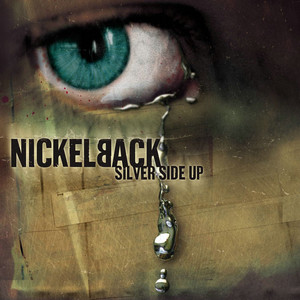
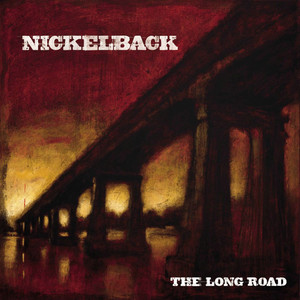
January 2000 saw the arrival of The State, Nickelback's second independent release. Issued at a time in which Canadian content requirements were increased (and, accordingly, local radio stations had begun to desperately seek out homegrown product), the album fared very well on indie charts. Nickelback toured ceaselessly in support of The State, logging approximately 200 shows while playing alongside other groups of the burgeoning post-grunge genre. Their commercial appeal wasn't lost on the record industry, either, and The State's distribution rights were quickly snapped up by <a href="spotify:search:label%3A%22Roadrunner+Records%22">Roadrunner Records</a> in the U.S. and <a href="spotify:search:label%3A%22EMI%22">EMI</a> in Canada. As the band continued to tour, <a href="spotify:artist:7fJYw1vK9yWb8o51I8qHin">Kroeger</a> kept writing new songs, many of which were polished in front of live audiences. Much of that material found its way onto Silver Side Up, which was produced by Rick Parashar (who rose to prominence in the early '90s by helming <a href="spotify:artist:1w5Kfo2jwwIPruYS2UWh56">Pearl Jam</a>'s Ten, <a href="spotify:artist:64tNsm6TnZe2zpcMVMOoHL">Alice in Chains</a>' Sap, and <a href="spotify:artist:5sD1ZLf2dGQ9gQ3YJl1eAd">Blind Melon</a>'s self-titled debut) and recorded at Green House, the same Vancouver studio used for The State's creation. The combination of Nickelback's growing popularity and <a href="spotify:artist:7fJYw1vK9yWb8o51I8qHin">Kroeger</a>'s focused songwriting propelled Silver Side Up onto album charts across the world, spearheaded by the hit single "How You Remind Me." <a href="spotify:artist:7fJYw1vK9yWb8o51I8qHin">Kroeger</a> capitalized on that exposure by producing another Vancouver-based band, <a href="spotify:artist:4nCzT3o7lMgCWBcmdwCMsT">Default</a>, and collaborating with <a href="spotify:artist:5S6hjAxgxjsLylsTtMIimO">Saliva</a>'s Josey Scott for the Spider-Man soundtrack. The Long Road then arrived in 2003, featuring an increasingly polished sound and another high-charting single, "Someday." While some listeners criticized the apparent similarities between "Someday" and "How You Remind Me," The Long Road had little trouble maintaining Nickelback's wide audience, eventually selling over five million copies worldwide.
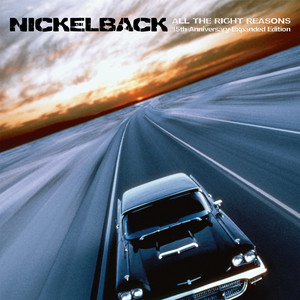
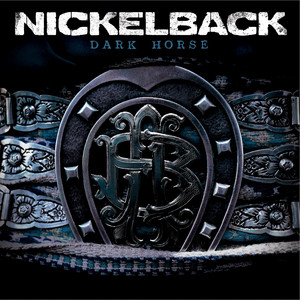
In February 2005, Nickelback announced the departure of Vikedal. He was soon replaced by <a href="spotify:artist:2RTUTCvo6onsAnheUk3aL9">3 Doors Down</a>'s former drummer Daniel Adair, and Nickelback returned to <a href="spotify:artist:7fJYw1vK9yWb8o51I8qHin">Kroeger</a>'s studio in Vancouver to begin work on another album. <a href="spotify:artist:2AM4ilv6UzW0uMRuqKtDgN">ZZ Top</a>'s <a href="spotify:artist:69Iibc3uQ7x2vDeZxTwKCw">Billy Gibbons</a> and <a href="spotify:artist:14pVkFUHDL207LzLHtSA18">Pantera</a>'s <a href="spotify:artist:7ozkOJRZcDU9B3DlmZKS9s">Dimebag Darrell</a> (who unfortunately died before the album's release) were guests on the chart-topping All the Right Reasons, which arrived in October 2005. It proved to be Nickelback's most popular effort to date, remaining in the Billboard Top 30 for over two years and selling over seven million copies in the U.S. alone. It also spawned five Top 20 singles, a feat that attracted the attention of veteran producer (and demonstrated hitmaker) <a href="spotify:artist:52nLyltGxLUNmtyL5cY707">Mutt Lange</a>. Nickelback traveled to <a href="spotify:artist:52nLyltGxLUNmtyL5cY707">Lange</a>'s home in Switzerland to share songwriting ideas; impressed with the results, they also enlisted him to helm their next album. Recorded in a converted Vancouver barn, Dark Horse marked the band's sixth studio album upon its release in November 2008. Nickelback's seventh studio album arrived nearly three years after the multi-platinum-selling Dark Horse. The 11-track Here and Now, which was preceded by the singles "Bottoms Up" and "When We Stand Together," hit the streets on November 21, 2011.
The following year <a href="spotify:artist:7fJYw1vK9yWb8o51I8qHin">Kroeger</a> began working on fellow Canadian rock star <a href="spotify:artist:0p4nmQO2msCgU4IF37Wi3j">Avril Lavigne</a>'s eponymous fifth album. Shortly after their working partnership began, they began dating and eventually married in early 2013. The band put together their first compilation, The Best of Nickelback, Vol. 1, which appeared in November of 2013; the 19-track collection contained no new songs. In 2014, the band's contract with <a href="spotify:search:label%3A%22Roadrunner%22">Roadrunner</a> expired and they decided not to renew, signing instead with <a href="spotify:search:label%3A%22Universal+Republic%22">Universal Republic</a> for their eighth album, No Fixed Address. The album included a number of departures from Nickelback's usual fare, including the radio-friendly "What Are You Waiting For?," the politicized "Edge of a Revolution," and "Got Me Runnin' 'Round," which featured a horn section and rapper <a href="spotify:artist:0jnsk9HBra6NMjO2oANoPY">Flo Rida</a>. No Fixed Address appeared in November 2014, debuting at four on Billboard's Top 200 and generating rock radio hits in "Edge of a Revolution" and "Million Miles an Hour." As they worked on their ninth album in 2016, Nickelback released a cover of <a href="spotify:artist:5dbuFbrHa1SJlQhQX9OUJ2">Don Henley</a>'s "Dirty Laundry" and negotiated a switch from <a href="spotify:search:label%3A%22Republic%22">Republic</a> to <a href="spotify:search:label%3A%22BMG%22">BMG</a>. Feed the Machine, their first record for <a href="spotify:search:label%3A%22BMG%22">BMG</a>, was co-produced by Chris Baseford (<a href="spotify:artist:3TOqt5oJwL9BE2NG9MEwDa">Disturbed</a>) and appeared in June 2017. The LP debuted at number five on the U.S. Billboard 200, with its title track reaching 12 on Billboard's Mainstream Rock chart. A non-LP cover of the <a href="spotify:artist:12d4iIvTOk7JkI6ecvc3ca">Charlie Daniels Band</a>'s "The Devil Went Down to Georgia" featuring guitarist <a href="spotify:artist:3eULSIP9PpWCuDT5tNYx9P">Dave Martone</a> appeared in 2020, as did a 15th anniversary edition of 2005's multi-platinum-selling All the Right Reasons. Nickelback returned with new material in 2022's "San Quentin," the first taste of their tenth studio album, Get Rollin'. Another co-production with Chris Baseford, Get Rollin' focused on heavy riffs and good times, a combination highlighted on the breezy single "High Time." ~ Andrew Leahey
<a href="spotify:artist:7fJYw1vK9yWb8o51I8qHin">Chad Kroeger</a> honed his frontman skills by performing with cover bands in Hanna, a small Canadian town 215 kilometers northeast of Calgary. After growing tired of playing other people's songs, he borrowed money from his stepfather and relocated to Vancouver, where he recorded his first batch of original material. Mike Kroeger, <a href="spotify:artist:7fJYw1vK9yWb8o51I8qHin">Chad</a>'s bass-playing sibling, decided to join his brother's band, as did fellow Vancouver transplants Ryan Peake (a guitarist who had befriended the Kroegers in middle school) and Ryan Vikedal (a drummer from Peake's hometown of Brooks, Alberta). Nickelback officially took shape in 1995 and quickly set to work, releasing two albums -- the Hesher EP and full-length album Curb -- in 1996. By 1998, the bandmates were managing themselves; <a href="spotify:artist:7fJYw1vK9yWb8o51I8qHin">Chad</a> courted radio stations, brother Mike handled distribution, Vikedal booked shows, and Peake maintained the band's website.
January 2000 saw the arrival of The State, Nickelback's second independent release. Issued at a time in which Canadian content requirements were increased (and, accordingly, local radio stations had begun to desperately seek out homegrown product), the album fared very well on indie charts. Nickelback toured ceaselessly in support of The State, logging approximately 200 shows while playing alongside other groups of the burgeoning post-grunge genre. Their commercial appeal wasn't lost on the record industry, either, and The State's distribution rights were quickly snapped up by <a href="spotify:search:label%3A%22Roadrunner+Records%22">Roadrunner Records</a> in the U.S. and <a href="spotify:search:label%3A%22EMI%22">EMI</a> in Canada. As the band continued to tour, <a href="spotify:artist:7fJYw1vK9yWb8o51I8qHin">Kroeger</a> kept writing new songs, many of which were polished in front of live audiences. Much of that material found its way onto Silver Side Up, which was produced by Rick Parashar (who rose to prominence in the early '90s by helming <a href="spotify:artist:1w5Kfo2jwwIPruYS2UWh56">Pearl Jam</a>'s Ten, <a href="spotify:artist:64tNsm6TnZe2zpcMVMOoHL">Alice in Chains</a>' Sap, and <a href="spotify:artist:5sD1ZLf2dGQ9gQ3YJl1eAd">Blind Melon</a>'s self-titled debut) and recorded at Green House, the same Vancouver studio used for The State's creation. The combination of Nickelback's growing popularity and <a href="spotify:artist:7fJYw1vK9yWb8o51I8qHin">Kroeger</a>'s focused songwriting propelled Silver Side Up onto album charts across the world, spearheaded by the hit single "How You Remind Me." <a href="spotify:artist:7fJYw1vK9yWb8o51I8qHin">Kroeger</a> capitalized on that exposure by producing another Vancouver-based band, <a href="spotify:artist:4nCzT3o7lMgCWBcmdwCMsT">Default</a>, and collaborating with <a href="spotify:artist:5S6hjAxgxjsLylsTtMIimO">Saliva</a>'s Josey Scott for the Spider-Man soundtrack. The Long Road then arrived in 2003, featuring an increasingly polished sound and another high-charting single, "Someday." While some listeners criticized the apparent similarities between "Someday" and "How You Remind Me," The Long Road had little trouble maintaining Nickelback's wide audience, eventually selling over five million copies worldwide.
In February 2005, Nickelback announced the departure of Vikedal. He was soon replaced by <a href="spotify:artist:2RTUTCvo6onsAnheUk3aL9">3 Doors Down</a>'s former drummer Daniel Adair, and Nickelback returned to <a href="spotify:artist:7fJYw1vK9yWb8o51I8qHin">Kroeger</a>'s studio in Vancouver to begin work on another album. <a href="spotify:artist:2AM4ilv6UzW0uMRuqKtDgN">ZZ Top</a>'s <a href="spotify:artist:69Iibc3uQ7x2vDeZxTwKCw">Billy Gibbons</a> and <a href="spotify:artist:14pVkFUHDL207LzLHtSA18">Pantera</a>'s <a href="spotify:artist:7ozkOJRZcDU9B3DlmZKS9s">Dimebag Darrell</a> (who unfortunately died before the album's release) were guests on the chart-topping All the Right Reasons, which arrived in October 2005. It proved to be Nickelback's most popular effort to date, remaining in the Billboard Top 30 for over two years and selling over seven million copies in the U.S. alone. It also spawned five Top 20 singles, a feat that attracted the attention of veteran producer (and demonstrated hitmaker) <a href="spotify:artist:52nLyltGxLUNmtyL5cY707">Mutt Lange</a>. Nickelback traveled to <a href="spotify:artist:52nLyltGxLUNmtyL5cY707">Lange</a>'s home in Switzerland to share songwriting ideas; impressed with the results, they also enlisted him to helm their next album. Recorded in a converted Vancouver barn, Dark Horse marked the band's sixth studio album upon its release in November 2008. Nickelback's seventh studio album arrived nearly three years after the multi-platinum-selling Dark Horse. The 11-track Here and Now, which was preceded by the singles "Bottoms Up" and "When We Stand Together," hit the streets on November 21, 2011.
The following year <a href="spotify:artist:7fJYw1vK9yWb8o51I8qHin">Kroeger</a> began working on fellow Canadian rock star <a href="spotify:artist:0p4nmQO2msCgU4IF37Wi3j">Avril Lavigne</a>'s eponymous fifth album. Shortly after their working partnership began, they began dating and eventually married in early 2013. The band put together their first compilation, The Best of Nickelback, Vol. 1, which appeared in November of 2013; the 19-track collection contained no new songs. In 2014, the band's contract with <a href="spotify:search:label%3A%22Roadrunner%22">Roadrunner</a> expired and they decided not to renew, signing instead with <a href="spotify:search:label%3A%22Universal+Republic%22">Universal Republic</a> for their eighth album, No Fixed Address. The album included a number of departures from Nickelback's usual fare, including the radio-friendly "What Are You Waiting For?," the politicized "Edge of a Revolution," and "Got Me Runnin' 'Round," which featured a horn section and rapper <a href="spotify:artist:0jnsk9HBra6NMjO2oANoPY">Flo Rida</a>. No Fixed Address appeared in November 2014, debuting at four on Billboard's Top 200 and generating rock radio hits in "Edge of a Revolution" and "Million Miles an Hour." As they worked on their ninth album in 2016, Nickelback released a cover of <a href="spotify:artist:5dbuFbrHa1SJlQhQX9OUJ2">Don Henley</a>'s "Dirty Laundry" and negotiated a switch from <a href="spotify:search:label%3A%22Republic%22">Republic</a> to <a href="spotify:search:label%3A%22BMG%22">BMG</a>. Feed the Machine, their first record for <a href="spotify:search:label%3A%22BMG%22">BMG</a>, was co-produced by Chris Baseford (<a href="spotify:artist:3TOqt5oJwL9BE2NG9MEwDa">Disturbed</a>) and appeared in June 2017. The LP debuted at number five on the U.S. Billboard 200, with its title track reaching 12 on Billboard's Mainstream Rock chart. A non-LP cover of the <a href="spotify:artist:12d4iIvTOk7JkI6ecvc3ca">Charlie Daniels Band</a>'s "The Devil Went Down to Georgia" featuring guitarist <a href="spotify:artist:3eULSIP9PpWCuDT5tNYx9P">Dave Martone</a> appeared in 2020, as did a 15th anniversary edition of 2005's multi-platinum-selling All the Right Reasons. Nickelback returned with new material in 2022's "San Quentin," the first taste of their tenth studio album, Get Rollin'. Another co-production with Chris Baseford, Get Rollin' focused on heavy riffs and good times, a combination highlighted on the breezy single "High Time." ~ Andrew Leahey
Monthly Listeners
29.1 million
Monthly Listeners History
Track the evolution of monthly listeners over the last 28 days.
Followers
8.8 million
Followers History
Track the evolution of followers over the last 28 days.
Total Streams
10.3 billion
Total Streams History
Track the evolution of total streams over the last 28 days. This data is calculated from all tracks listed in the artist's discography.