Genre
progressive trance
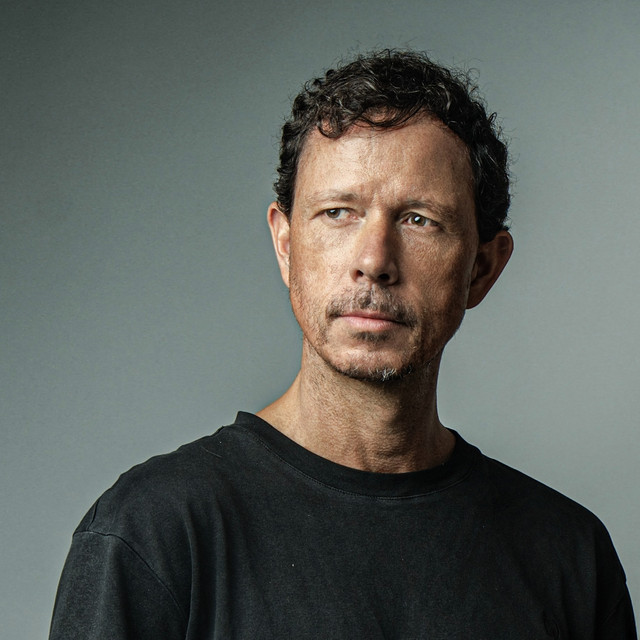
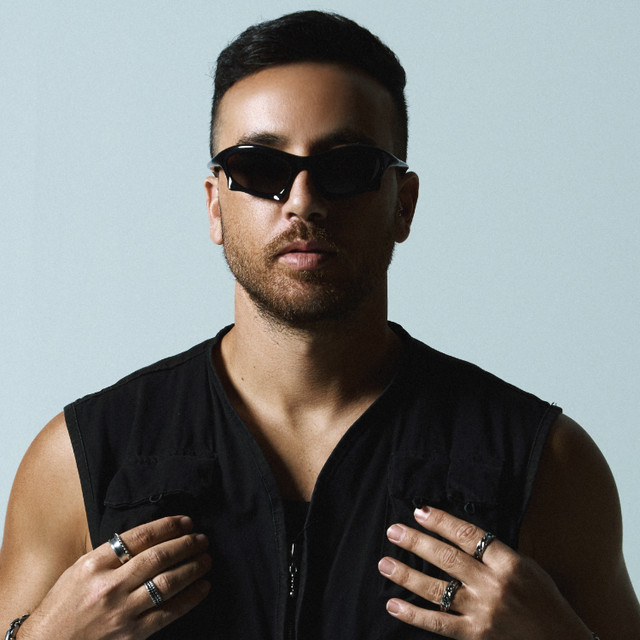
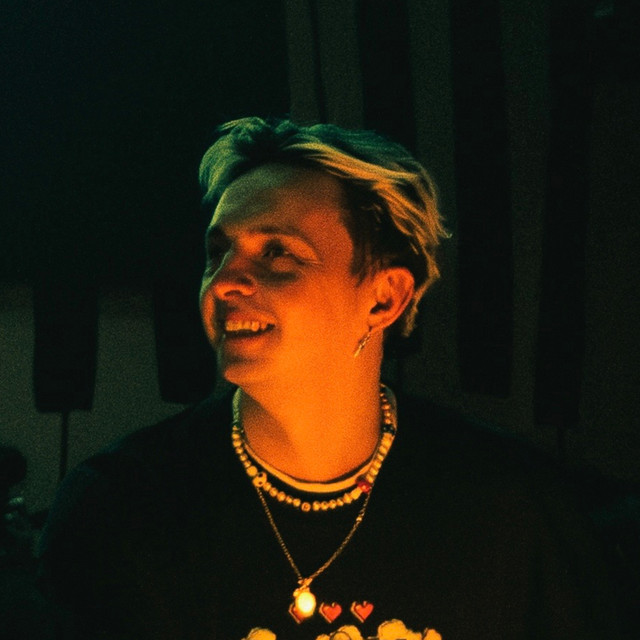
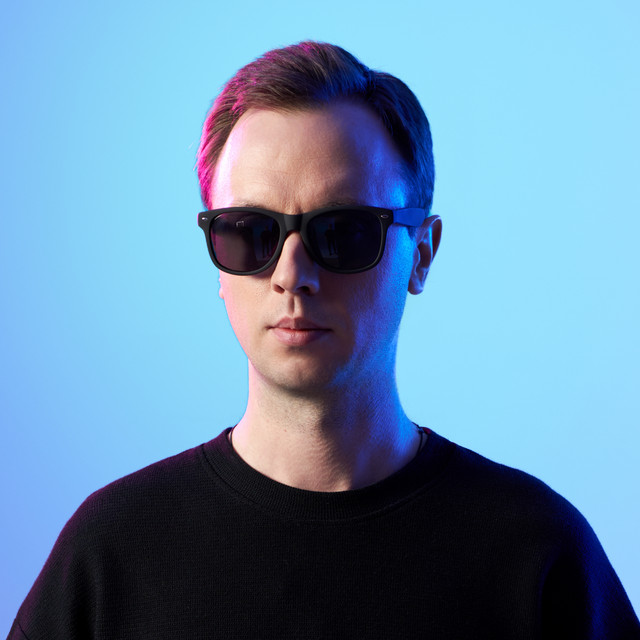
Top Progressive trance Artists
Showing 25 of 5,587 artists


About Progressive trance
Progressive trance is a melodic, expansive strand of trance music that favors long-form, evolving arrangements over quick drops and punchy climaxes. It arrived in the late 1990s and early 2000s as producers in Europe pushed trance toward more cinematic, soldiering-forward journeys. At its core, the genre blends the pulse and tempo of trance (roughly 132–138 BPM) with gradually unfolding textures, layered pads, arpeggiated synths, and hypnotic basslines that slowly build a mood rather than slam you with a single peak.
Historically, progressive trance grew out of the European club and studio scene where DJs and producers experimented with longer track lengths to suit extended sets. Instead of the 3–5 minute formats of classic trance, tracks stretched to 8–12 minutes, giving listeners and dancers a sense of discovery as ideas reappear and transform. The approach owes something to the early “progressive” styles circulating in the UK and Netherlands, but it crystallized as a distinct flavor through a new generation of producers and labels that embraced atmospherics, subtle tension, and melodicism.
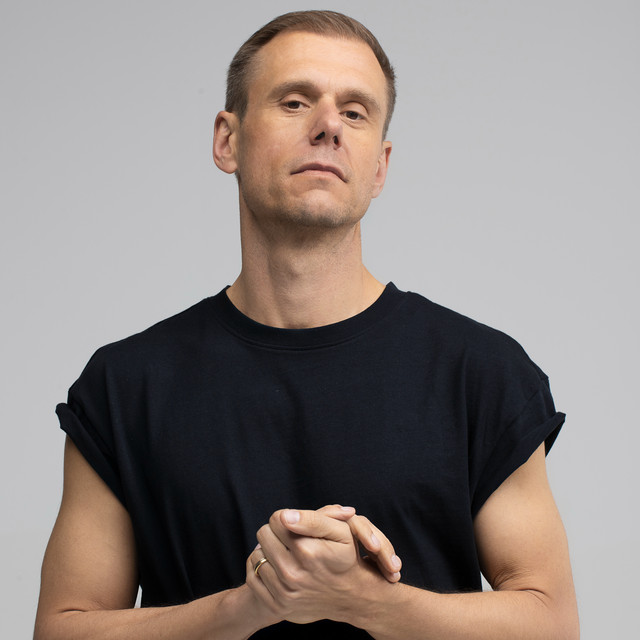
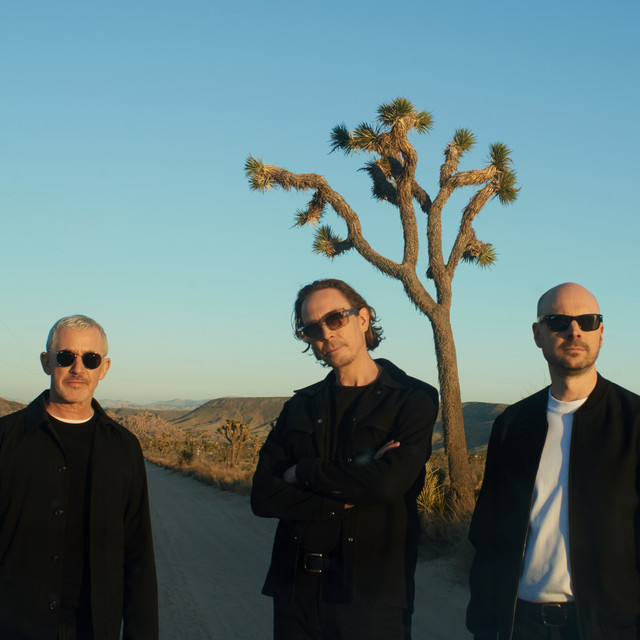
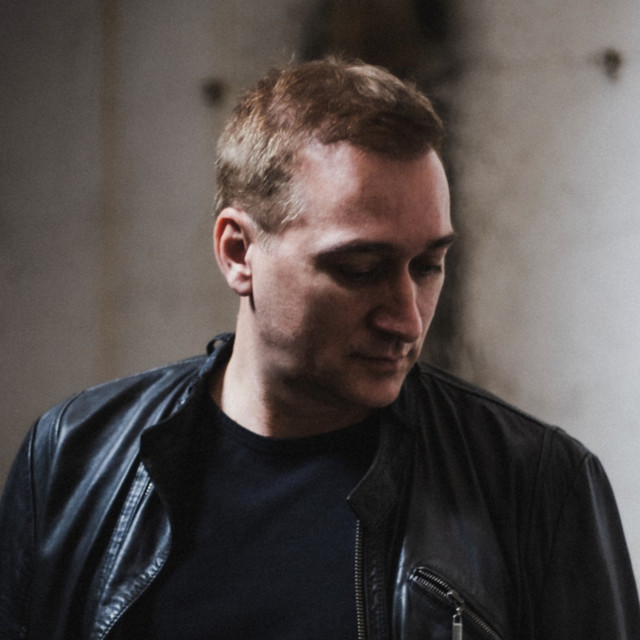
Ambassadors and influential figures span several generations. Paul van Dyk helped popularize melodic, emotionally charged trance on a global scale, while BT (Brian Transeau) pushed cinematic sound design—perfect for the patient, evolving arc progressive trance thrives on. Armin van Buuren, Ferry Corsten (including his System F project), and the duo Gaia (a collaboration between Armin and Ferry in effect) became perennial touchstones for the mood-driven, melodic side of the genre. UK producers such as Lange and the late-2000s acts connected with Above & Beyond—whose Anjunabeats imprint became a home for many progressive trance projects—cemented the sound’s emotional vocabulary. Rank 1’s Airwave era and later European acts continued to show the wide appeal of long, uplifting journeys. These artists and labels helped shape a sound that many listeners now recognize as the “progressive” wing of trance rather than the more aggressive or vocal-driven variants.
Geographically, progressive trance has been most popular in Europe—especially the United Kingdom, the Netherlands, and Germany—where club culture and radio support fostered a taste for lush, melodic journeys. It also found strong followings in Australia and North America, with touring DJs and festival stages further spreading the sound. In the 2000s, the style benefited from the rise of labels like Anjunabeats and Armada, which curated a steady flow of melodic, building tracks that defined the era.
Today, progressive trance sits at the intersection of trance’s high-energy core and the cinematic, textural tendencies that appeal to enthusiasts who savor mood and storytelling in music. It remains a reference point for DJs who prize musical progression, atmosphere, and a sense of journey—music that invites repeated listens as the layers reveal themselves. If you crave tracks that unfold like a long, lucid dream rather than a quick adrenaline rush, progressive trance is built to reward your listening patience and curiosity.
Historically, progressive trance grew out of the European club and studio scene where DJs and producers experimented with longer track lengths to suit extended sets. Instead of the 3–5 minute formats of classic trance, tracks stretched to 8–12 minutes, giving listeners and dancers a sense of discovery as ideas reappear and transform. The approach owes something to the early “progressive” styles circulating in the UK and Netherlands, but it crystallized as a distinct flavor through a new generation of producers and labels that embraced atmospherics, subtle tension, and melodicism.
Ambassadors and influential figures span several generations. Paul van Dyk helped popularize melodic, emotionally charged trance on a global scale, while BT (Brian Transeau) pushed cinematic sound design—perfect for the patient, evolving arc progressive trance thrives on. Armin van Buuren, Ferry Corsten (including his System F project), and the duo Gaia (a collaboration between Armin and Ferry in effect) became perennial touchstones for the mood-driven, melodic side of the genre. UK producers such as Lange and the late-2000s acts connected with Above & Beyond—whose Anjunabeats imprint became a home for many progressive trance projects—cemented the sound’s emotional vocabulary. Rank 1’s Airwave era and later European acts continued to show the wide appeal of long, uplifting journeys. These artists and labels helped shape a sound that many listeners now recognize as the “progressive” wing of trance rather than the more aggressive or vocal-driven variants.
Geographically, progressive trance has been most popular in Europe—especially the United Kingdom, the Netherlands, and Germany—where club culture and radio support fostered a taste for lush, melodic journeys. It also found strong followings in Australia and North America, with touring DJs and festival stages further spreading the sound. In the 2000s, the style benefited from the rise of labels like Anjunabeats and Armada, which curated a steady flow of melodic, building tracks that defined the era.
Today, progressive trance sits at the intersection of trance’s high-energy core and the cinematic, textural tendencies that appeal to enthusiasts who savor mood and storytelling in music. It remains a reference point for DJs who prize musical progression, atmosphere, and a sense of journey—music that invites repeated listens as the layers reveal themselves. If you crave tracks that unfold like a long, lucid dream rather than a quick adrenaline rush, progressive trance is built to reward your listening patience and curiosity.