Genre
punjabi hip hop
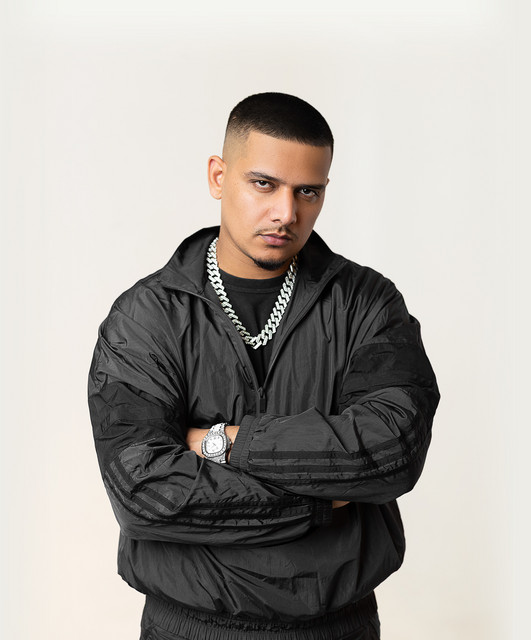
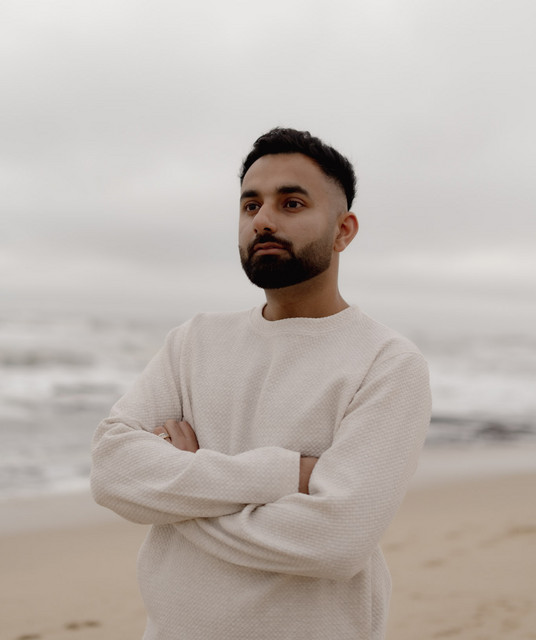
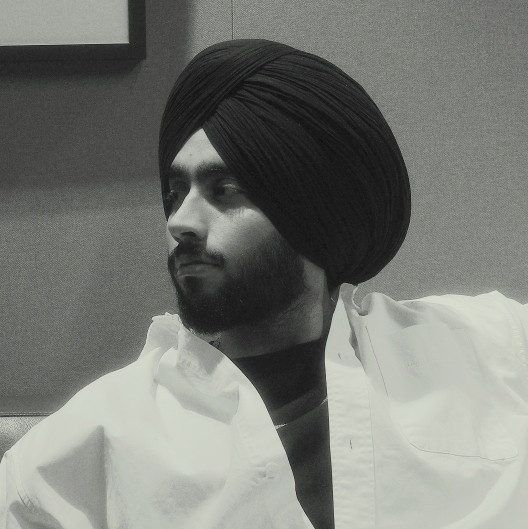
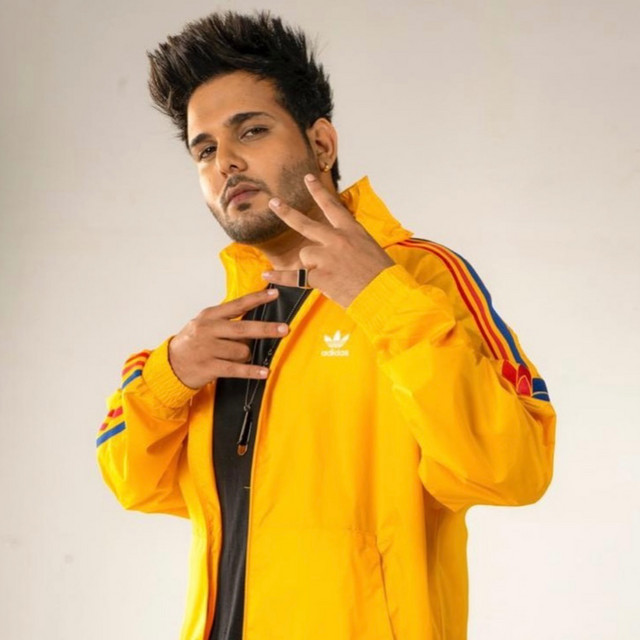
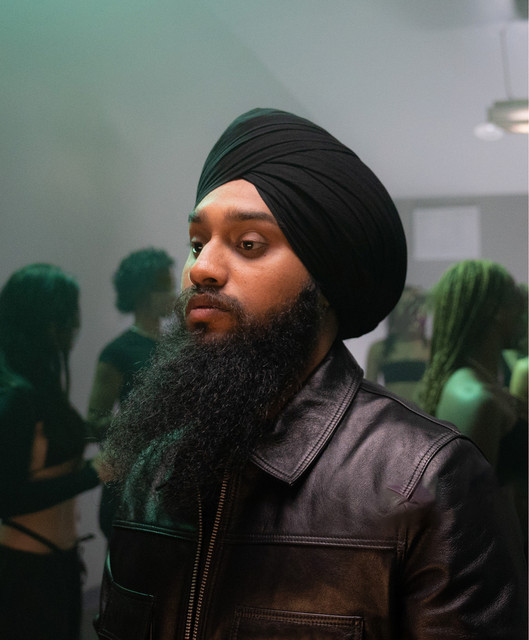
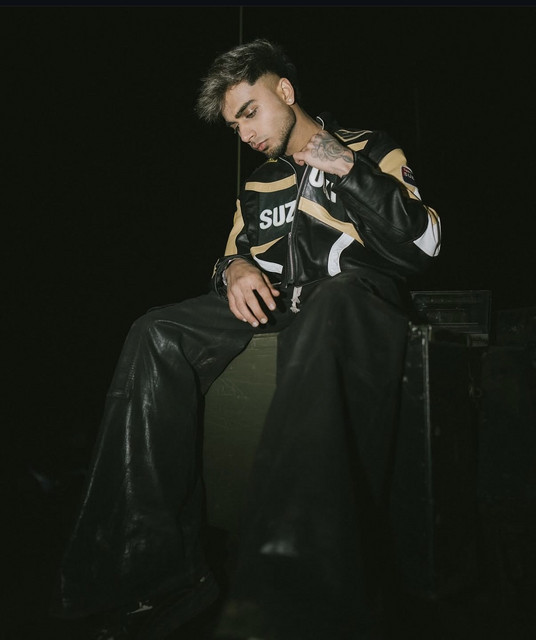
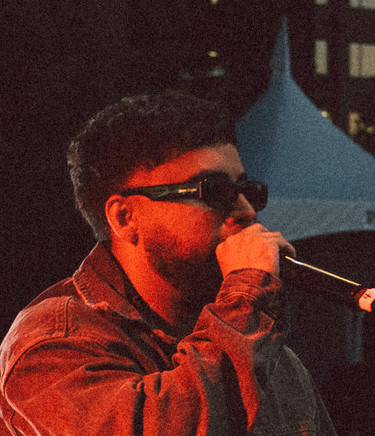
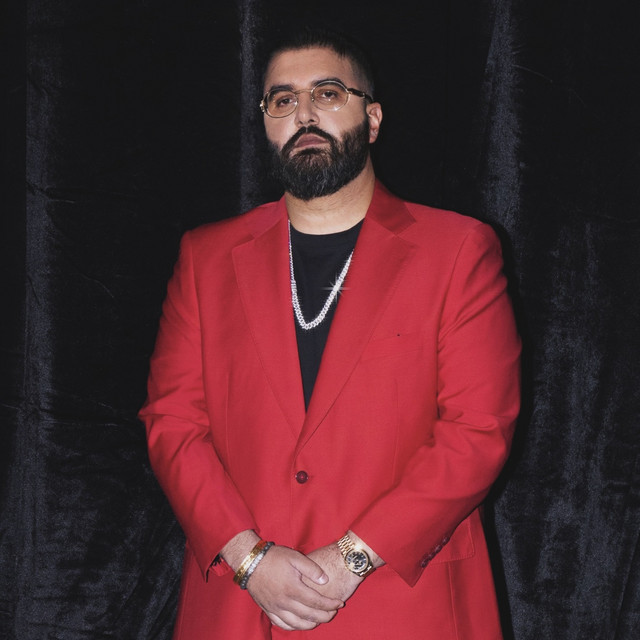
Top Punjabi hip hop Artists
Showing 25 of 884 artists
About Punjabi hip hop
Punjabi hip hop is a dynamic fusion that blends the intoxicating pulse of hip hop with the language, rhythms, and storytelling tradition of Punjab. It marries bhangra-influenced percussion, dhol and tumbi hooks with rap cadences, streetwise lyricism, and bilingual wordplay (Punjabi, Hinglish, and occasionally English). The genre isn’t confined to one city or country; it emerged from Punjab’s towns and from the Punjabi diaspora—especially in Canada, the United Kingdom, and the United States—and grew into a global conversation about language, identity, and sound.
The roots reach back to late 1990s and early 2000s experiments that fused traditional Punjabi music with Western hip hop. Panjabi MC’s 1998 track Mundian To Bach Ke popularized a Punjabi-flavored hip hop sound on a global stage, especially through its sample of the James Bond theme. Following him, Asian-Canadian and British-Punjabi artists helped institutionalize the blend. Bohemia, often cited as the godfather of Punjabi rap, brought stark, often autobiographical verses in Punjabi with hard-hitting beats that resonated with listeners across borders. In the UK and Canada, groups and solo artists such as RDB (the Roots Reggae/Desi-Bhangra collective) and other diaspora acts expanded the palette, proving that Punjabi language and sensibility could ride Western production and still feel distinctively Punjabi.
The 2010s saw a wave of mainstream visibility and stylistic diversification. Yo Yo Honey Singh popularized Punjabi-tinged rap and party-anthem collaborations that crossed over to Bollywood and international clubs, helping to normalize Punjabi rap as a mainstream flavor rather than an underground novelty. Badshah, Diljit Dosanjh, and a growing roster of bilingual artists leveraged trap- and EDM-influenced production, fashioning hits with catchy hooks and streetwise narratives that bridged Punjabi cinema, radio, and streaming platforms. This era cemented Punjabi hip hop as a vibrant space for diaspora artists to assert cultural pride while appealing to a global audience.
Today, Punjabi hip hop is carried by ambassadors who span continents. In addition to the veterans, modern faces such as AP Dhillon and collaborators have helped propel the genre onto international stages with tracks that fuse Punjabi pride with contemporary rap, drill, and R&B textures. The genre remains deeply rooted in its Punjabi identity—lyrics in Punjabi or Hinglish, references to hometowns, family, and Punjabi culture—while continually absorbing global production trends.
Where is it most popular? Canada (especially the Punjabi communities around Vancouver, Calgary, and the Toronto area), the United Kingdom (London, Birmingham, and surrounding cities with strong Punjabi diasporas), and India (Punjab and major urban centers) are strong hubs. The United States, Australia, and other multilingual music markets have also embraced Punjabi hip hop, making it a truly global language of rhythm. For music enthusiasts, Punjabi hip hop offers a living archive of migration, language play, and cross-cultural collaboration—an evolving soundtrack of contemporary Punjabi experience.
The roots reach back to late 1990s and early 2000s experiments that fused traditional Punjabi music with Western hip hop. Panjabi MC’s 1998 track Mundian To Bach Ke popularized a Punjabi-flavored hip hop sound on a global stage, especially through its sample of the James Bond theme. Following him, Asian-Canadian and British-Punjabi artists helped institutionalize the blend. Bohemia, often cited as the godfather of Punjabi rap, brought stark, often autobiographical verses in Punjabi with hard-hitting beats that resonated with listeners across borders. In the UK and Canada, groups and solo artists such as RDB (the Roots Reggae/Desi-Bhangra collective) and other diaspora acts expanded the palette, proving that Punjabi language and sensibility could ride Western production and still feel distinctively Punjabi.
The 2010s saw a wave of mainstream visibility and stylistic diversification. Yo Yo Honey Singh popularized Punjabi-tinged rap and party-anthem collaborations that crossed over to Bollywood and international clubs, helping to normalize Punjabi rap as a mainstream flavor rather than an underground novelty. Badshah, Diljit Dosanjh, and a growing roster of bilingual artists leveraged trap- and EDM-influenced production, fashioning hits with catchy hooks and streetwise narratives that bridged Punjabi cinema, radio, and streaming platforms. This era cemented Punjabi hip hop as a vibrant space for diaspora artists to assert cultural pride while appealing to a global audience.
Today, Punjabi hip hop is carried by ambassadors who span continents. In addition to the veterans, modern faces such as AP Dhillon and collaborators have helped propel the genre onto international stages with tracks that fuse Punjabi pride with contemporary rap, drill, and R&B textures. The genre remains deeply rooted in its Punjabi identity—lyrics in Punjabi or Hinglish, references to hometowns, family, and Punjabi culture—while continually absorbing global production trends.
Where is it most popular? Canada (especially the Punjabi communities around Vancouver, Calgary, and the Toronto area), the United Kingdom (London, Birmingham, and surrounding cities with strong Punjabi diasporas), and India (Punjab and major urban centers) are strong hubs. The United States, Australia, and other multilingual music markets have also embraced Punjabi hip hop, making it a truly global language of rhythm. For music enthusiasts, Punjabi hip hop offers a living archive of migration, language play, and cross-cultural collaboration—an evolving soundtrack of contemporary Punjabi experience.