Genre
rap calme
Top Rap calme Artists
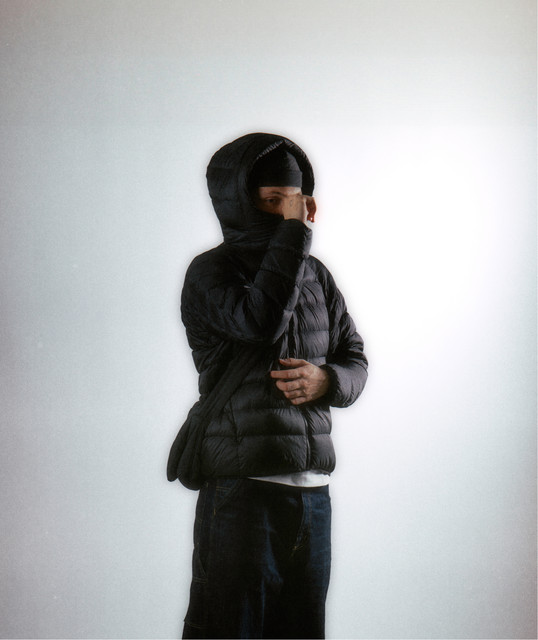
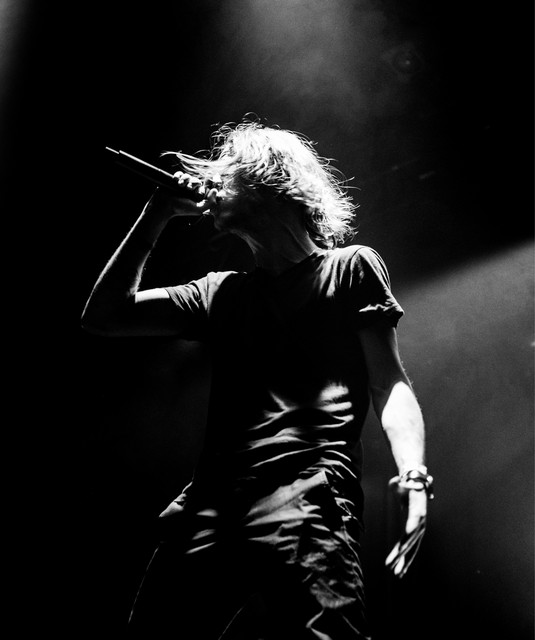
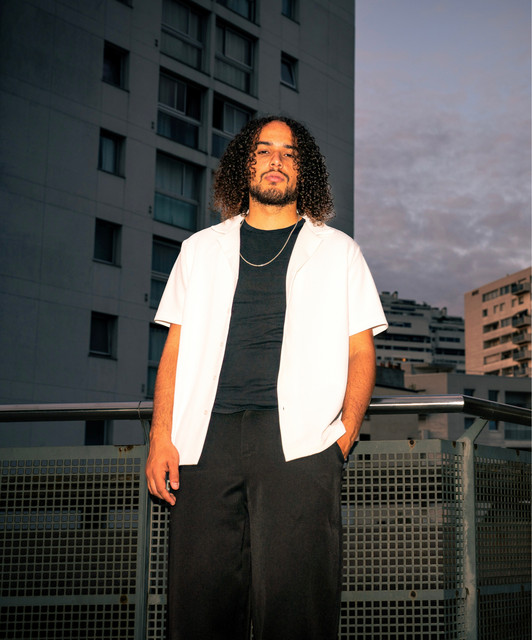
Showing 25 of 53 artists











About Rap calme
Rap calme is a loosely defined subgenre within hip-hop that foregrounds restraint, atmosphere, and introspection. It isn’t a rigid movement with a single manifesto, but a listening approach: laid‑back vocal delivery, minimal or lushly textured production, and lyrics that invite reflection rather than argue a flashy point. Think quiet storms rather than thunderous bangers—the emphasis is on mood, breathing room, and sonic clarity.
Origins and context
The birth of rap calme is better understood as a tipping point in the broader rise of lo‑fi hip‑hop, chillhop, and ambient rap that gained traction in the 2010s. As streaming playlists and algorithmic radio popularized “calm” listening, artists began pairing classic rap cadence with gentler beats—piano and guitar motifs, sparse drums, and airy textures that let the words breathe. The aesthetic also inherits from jazz rap and soul-infused hip‑hop, where producers like J Dilla and Madlib explored rhythmic space and warm, imperfect sonics. In this lineage, rap calme is less about novelty and more about relaxing the tempo and the bravura of performance to emphasize mood, nuance, and personal storytelling.
What it sounds like
Rap calme often sits in slower tempos, sometimes around 70–90 BPM, though mood trumps metronome accuracy. Beats favor clarity: clean, spacious mixes with delicate reverb, subtle offset rhythms, and halos of synthesizer or jazz‑tinged chords. Vocals are frequently hushed, even whispered at moments, with an emphasis on lyrical precision and emotional honesty. Lyrically, the themes tend toward everyday life, mindfulness, social observations, and internal dialogues—vulnerabilities, small victories, the psychology of routines, and the search for meaning in a noisy world. The result is music that can accompany study, late-night drives, or quiet contemplation as effectively as it commands a club—though its strongest moments shine in intimate, headphone-ready settings.
Key artists and ambassadors
Because rap calme isn’t a formal category, its champions are best understood as artists associated with the calm, introspective, and lo‑fi end of hip‑hop. Early references frequently point to Earl Sweatshirt's subdued delivery and atmospheric productions; his work helped demonstrate how restrained flow and moody soundscapes can carry weight. Other widely regarded figures include Noname and Saba, whose contemplative lyricism and smooth, unfussy rhythms exemplify the vibe. Kota the Friend has built a reputation in the indie/lo‑fi scene with jazzy, mellow grooves and thoughtful storytelling. In the broader international scene, francophone artists such as Lomepal and Gaël Faye have pushed a version of calm, melodic rap that blends lyric nuance with accessible, contemplative hooks. Producers and beatmakers who shape the vibe—think airy piano lines, warm bass, and dusty textures—are also central to the movement, even when they operate behind the scenes.
Geography and audience
Rap calme finds resonance in countries with strong lo‑fi and hip‑hop cultures: the United States, France, the United Kingdom, Canada, and parts of Northern Europe where intimate, melody‑driven rap has a ready audience. Its popularity tends to grow in urban centers and university towns, where listeners often seek music that supports focus, introspection, or mood‑driven chilling rather than adrenaline‑fueled performance.
Listening tips
- Pair it with focused work or a relaxed evening; let the production breathe and the lyrics unfold.
- Explore crossovers with lo‑fi hip‑hop and ambient music to hear how space and silence contribute as much as rhythm.
- Follow artists who prioritize lyrical clarity and emotional nuance; that balance defines rap calme’s appeal.
Note: rap calme is a listening category more than a codified genre. Its appeal lies in atmosphere, restraint, and the human nuance that blooms when rap steps back to let feeling carry the day.
Origins and context
The birth of rap calme is better understood as a tipping point in the broader rise of lo‑fi hip‑hop, chillhop, and ambient rap that gained traction in the 2010s. As streaming playlists and algorithmic radio popularized “calm” listening, artists began pairing classic rap cadence with gentler beats—piano and guitar motifs, sparse drums, and airy textures that let the words breathe. The aesthetic also inherits from jazz rap and soul-infused hip‑hop, where producers like J Dilla and Madlib explored rhythmic space and warm, imperfect sonics. In this lineage, rap calme is less about novelty and more about relaxing the tempo and the bravura of performance to emphasize mood, nuance, and personal storytelling.
What it sounds like
Rap calme often sits in slower tempos, sometimes around 70–90 BPM, though mood trumps metronome accuracy. Beats favor clarity: clean, spacious mixes with delicate reverb, subtle offset rhythms, and halos of synthesizer or jazz‑tinged chords. Vocals are frequently hushed, even whispered at moments, with an emphasis on lyrical precision and emotional honesty. Lyrically, the themes tend toward everyday life, mindfulness, social observations, and internal dialogues—vulnerabilities, small victories, the psychology of routines, and the search for meaning in a noisy world. The result is music that can accompany study, late-night drives, or quiet contemplation as effectively as it commands a club—though its strongest moments shine in intimate, headphone-ready settings.
Key artists and ambassadors
Because rap calme isn’t a formal category, its champions are best understood as artists associated with the calm, introspective, and lo‑fi end of hip‑hop. Early references frequently point to Earl Sweatshirt's subdued delivery and atmospheric productions; his work helped demonstrate how restrained flow and moody soundscapes can carry weight. Other widely regarded figures include Noname and Saba, whose contemplative lyricism and smooth, unfussy rhythms exemplify the vibe. Kota the Friend has built a reputation in the indie/lo‑fi scene with jazzy, mellow grooves and thoughtful storytelling. In the broader international scene, francophone artists such as Lomepal and Gaël Faye have pushed a version of calm, melodic rap that blends lyric nuance with accessible, contemplative hooks. Producers and beatmakers who shape the vibe—think airy piano lines, warm bass, and dusty textures—are also central to the movement, even when they operate behind the scenes.
Geography and audience
Rap calme finds resonance in countries with strong lo‑fi and hip‑hop cultures: the United States, France, the United Kingdom, Canada, and parts of Northern Europe where intimate, melody‑driven rap has a ready audience. Its popularity tends to grow in urban centers and university towns, where listeners often seek music that supports focus, introspection, or mood‑driven chilling rather than adrenaline‑fueled performance.
Listening tips
- Pair it with focused work or a relaxed evening; let the production breathe and the lyrics unfold.
- Explore crossovers with lo‑fi hip‑hop and ambient music to hear how space and silence contribute as much as rhythm.
- Follow artists who prioritize lyrical clarity and emotional nuance; that balance defines rap calme’s appeal.
Note: rap calme is a listening category more than a codified genre. Its appeal lies in atmosphere, restraint, and the human nuance that blooms when rap steps back to let feeling carry the day.