Genre
rap latina
Top Rap latina Artists
Showing 15 of 15 artists











About Rap latina
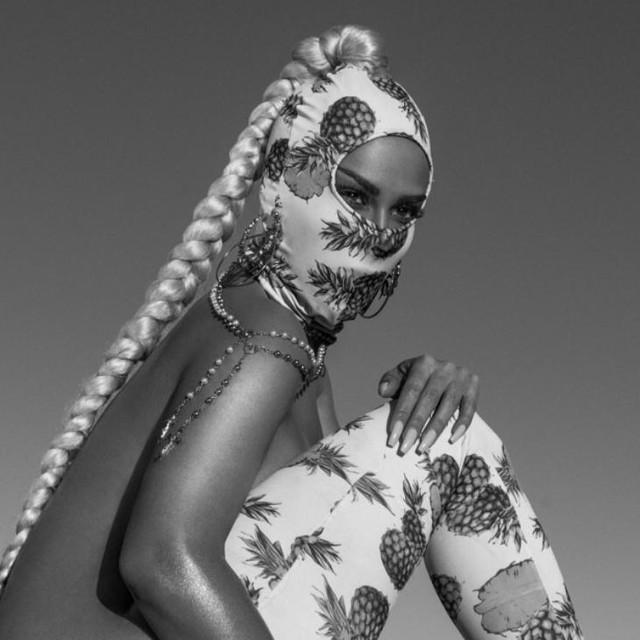
Rap Latina is a vibrant and evolving branch of hip hop performed in Spanish by artists from Latin America, the Latino diaspora, and communities across the United States. It’s not a single sound but a mosaic: hard boom-bap, cinematic storytelling, and club-ready trap can sit beside fusions with reggaeton, salsa, cumbia, and rock. What ties it together is performance in the Spanish language and a shared emphasis on rhythm, wordplay, and social or personal observation.
Origins and evolution
The roots of rap in Spanish stretch from the late 1980s into the 1990s, when pioneering MCs like Vico C in Puerto Rico and Mellow Man Ace in the Los Angeles scene began delivering Spanish-language rap with sharp social critique. In New York, artists such as Big Pun and Fat Joe helped bring Latin rap into the broader US consciousness during the late 1990s. Across the Atlantic and within Europe, Spain’s Kase.O and La Mala Rodríguez established a distinctly Iberian voice within the genre. The Cuban-influenced Orishas fused rap with traditional son rhythms, earning international attention in the early 2000s. A newer wave arrived with Calle 13 (Residente and Visitante), whose 2005–2008 breakthrough expanded the scope of what Latin rap could be—politically aware, sonically experimental, and globally popular.
Ambassadors and key figures
Rap Latina has a spectrum of influential figures. Early torchbearers include Vico C, Big Pun, and Fat Joe, who helped the language and life of Latinx urban experience reach wider audiences. Orishas stood out for their cross-cultural fusion of Cuban music and rap. Calle 13, with Residente and Visitante, became one of the genre’s defining contemporary voices, blending sharp lyricism with eclectic rhythms and winning international awards. In the contemporary era, artists such as La Mala Rodríguez (Spain) and Kase.O (Spain) maintained high artistic standards in Spanish-language rap, while Latin trap pioneers—artists like Bad Bunny and Anuel AA—broadened the terrain by weaving rap into reggaeton-adjacent trap sounds. The scene remains collaborative and transnational, with many artists crossing borders and languages.
Geography and popularity
Rap Latina is especially strong in the United States (where large Latino populations in cities like New York, Miami, and Los Angeles have fostered robust scenes), Puerto Rico, and Mexico, with substantial influence also in Colombia, Argentina, and Spain. Streaming platforms have accelerated cross-pollination, allowing Madrid, Bogotá, or Buenos Aires to influence New York’s clubs, while Puerto Rican and Dominican crews inspire audiences across the Americas. The genre thrives on live venues, radio, and now social media, where lyrical dexterity and cultural specificity resonate with both local fans and global listeners.
What to listen for
Expect dense lyricism, storytelling that reflects migration, identity, class, and resistance, and a willingness to blend influences—from boom-bap to reggaeton, from salsa to trap. The best Rap Latina records balance gritty realism with inventive flows, showing how the language of the street can be poetic, political, and endlessly creative. For music enthusiasts, the genre offers a bridge between familiar hip-hop frameworks and the rich rhythms and languages of the Spanish-speaking world.
Origins and evolution
The roots of rap in Spanish stretch from the late 1980s into the 1990s, when pioneering MCs like Vico C in Puerto Rico and Mellow Man Ace in the Los Angeles scene began delivering Spanish-language rap with sharp social critique. In New York, artists such as Big Pun and Fat Joe helped bring Latin rap into the broader US consciousness during the late 1990s. Across the Atlantic and within Europe, Spain’s Kase.O and La Mala Rodríguez established a distinctly Iberian voice within the genre. The Cuban-influenced Orishas fused rap with traditional son rhythms, earning international attention in the early 2000s. A newer wave arrived with Calle 13 (Residente and Visitante), whose 2005–2008 breakthrough expanded the scope of what Latin rap could be—politically aware, sonically experimental, and globally popular.
Ambassadors and key figures
Rap Latina has a spectrum of influential figures. Early torchbearers include Vico C, Big Pun, and Fat Joe, who helped the language and life of Latinx urban experience reach wider audiences. Orishas stood out for their cross-cultural fusion of Cuban music and rap. Calle 13, with Residente and Visitante, became one of the genre’s defining contemporary voices, blending sharp lyricism with eclectic rhythms and winning international awards. In the contemporary era, artists such as La Mala Rodríguez (Spain) and Kase.O (Spain) maintained high artistic standards in Spanish-language rap, while Latin trap pioneers—artists like Bad Bunny and Anuel AA—broadened the terrain by weaving rap into reggaeton-adjacent trap sounds. The scene remains collaborative and transnational, with many artists crossing borders and languages.
Geography and popularity
Rap Latina is especially strong in the United States (where large Latino populations in cities like New York, Miami, and Los Angeles have fostered robust scenes), Puerto Rico, and Mexico, with substantial influence also in Colombia, Argentina, and Spain. Streaming platforms have accelerated cross-pollination, allowing Madrid, Bogotá, or Buenos Aires to influence New York’s clubs, while Puerto Rican and Dominican crews inspire audiences across the Americas. The genre thrives on live venues, radio, and now social media, where lyrical dexterity and cultural specificity resonate with both local fans and global listeners.
What to listen for
Expect dense lyricism, storytelling that reflects migration, identity, class, and resistance, and a willingness to blend influences—from boom-bap to reggaeton, from salsa to trap. The best Rap Latina records balance gritty realism with inventive flows, showing how the language of the street can be poetic, political, and endlessly creative. For music enthusiasts, the genre offers a bridge between familiar hip-hop frameworks and the rich rhythms and languages of the Spanish-speaking world.