Genre
rock and roll
Top Rock and roll Artists
Showing 25 of 384 artists






About Rock and roll
Rock and roll is the heartbeat of modern popular music, a brisk, danceable conversation between blues, gospel, R&B, and country that burst into public life in the mid-20th century United States. Born from African American musical innovations and white country joy, it fused raw electric guitar riffs with a forward-driving backbeat, usually in 4/4 time, and a sound born to move bodies. Lyrically, it often balanced playful romance with rebellion, set against a culture expanding into teenagers as a distinct audience. The term rock and roll itself has roots in earlier slang, but it was in the 1950s that it became a label for a new, electrified language of youth.
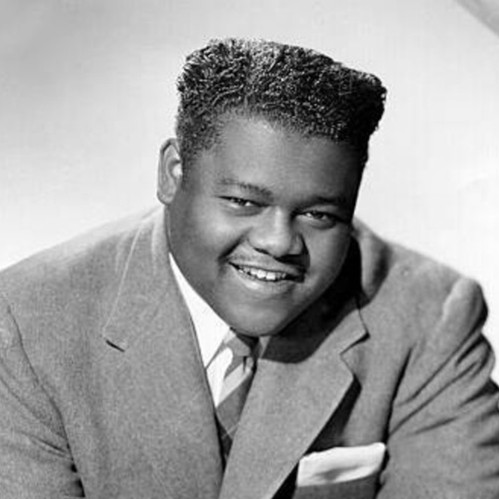
The pivotal moment arrived in the early 1950s, when regional roots began to cross-pollinate. The 1951 single Rocket 88, produced at Sun Studio in Memphis, is often cited as an early rock and roll record. In 1954, Bill Haley & His Comets released Rock Around the Clock, a nationwide crossover hit. That same year Elvis Presley, a white artist who captured its raw bite and expanded its reach, popularized the form. The era also gave Fats Domino’s piano swagger, Chuck Berry’s storytelling, and Little Richard’s gospel-infused drive – distinct voices in rock’s first era.
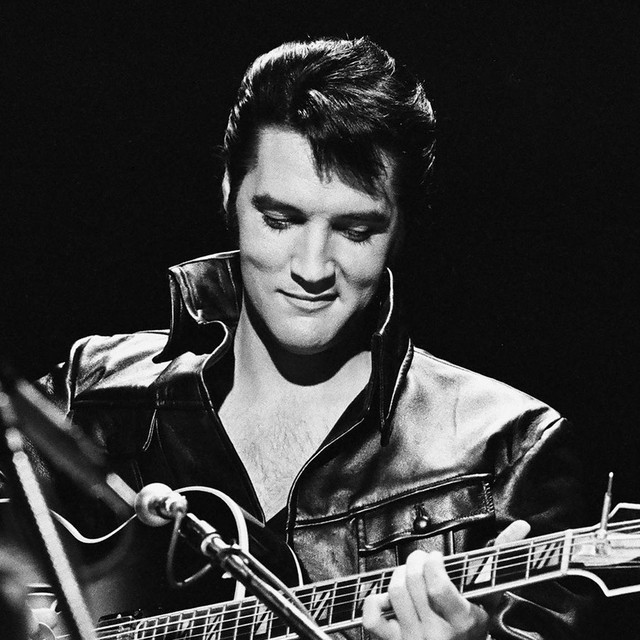
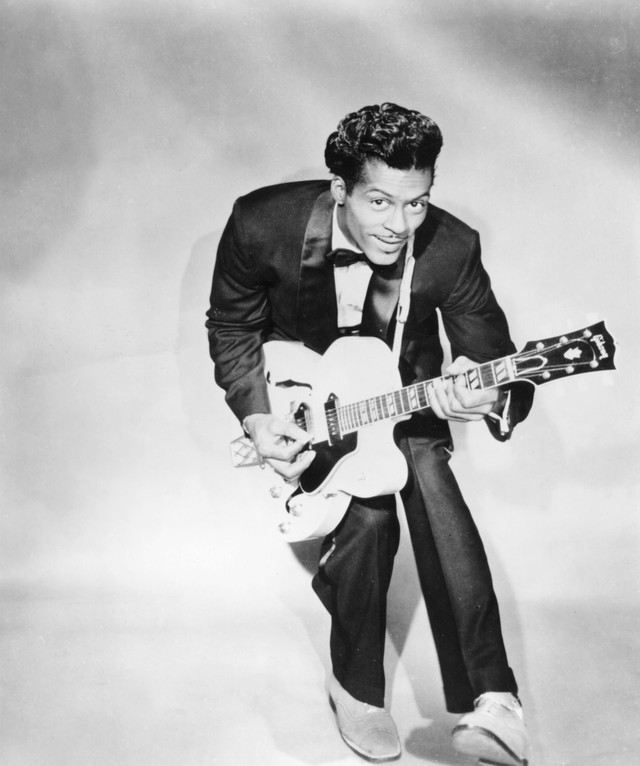
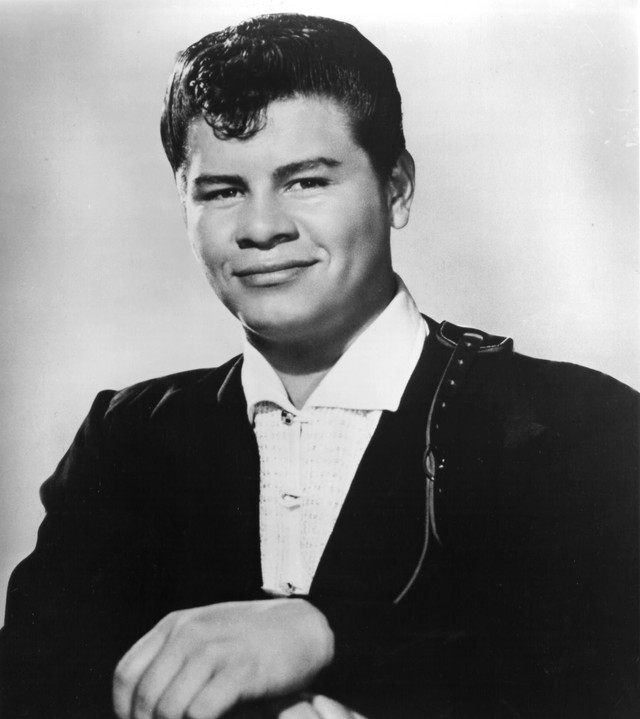
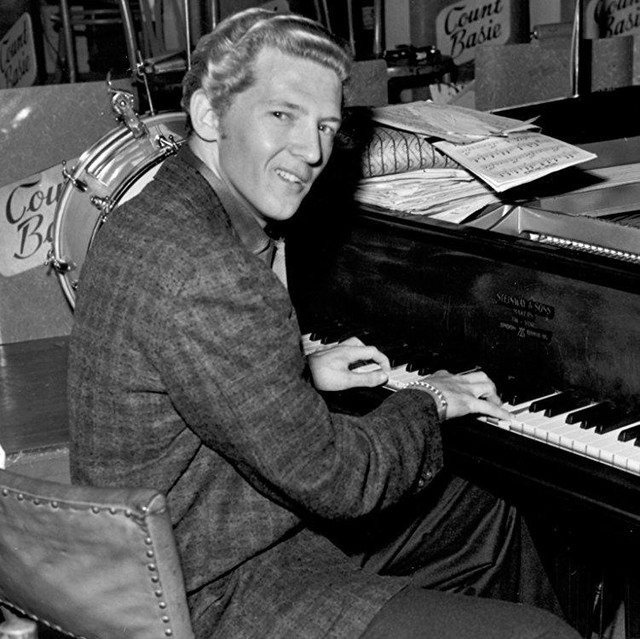
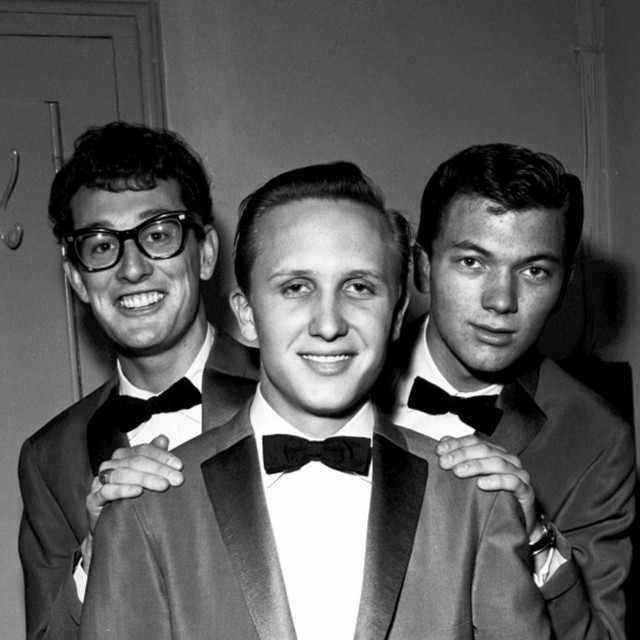
Elvis, Chuck Berry, Little Richard, Buddy Holly, Jerry Lee Lewis, and Fats Domino defined the sound and energy. Berry’s storytelling and guitar hooks became a blueprint for future players; Little Richard’s flamboyant vocal power and piano set theatrical standards; Elvis fused country sweetness with R&B bite, driving mass appeal; Holly and the Crickets offered lean, crafted songs and tight ensemble dynamics that future trios would imitate; Haley’s dance-friendly hits sealed the mainstream. Together, they built a repertoire that shaped generations and became the blueprint for countless rock subgenres.
From the United States, rock and roll quickly became a global language. In the United Kingdom and Europe, British teens connected with the music after radio broadcasts and the emergence of rock’s “ambassadors” abroad, fueling the British Invasion that would carry the genre into a broader cultural moment. Canada and Australia followed closely, and while the music’s roots remained in African American and Southern traditions, it found fans across continents. The genre’s social impact—helping to bridge racial divides on a platform of shared excitement—also mattered, hinting at music’s power to reshape culture as much as it reshapes sound. Its reception in Europe, Japan, and Latin America helped diversify the scene and widen rock’s cultural footprint.
Today, rock and roll remains a living thread in rock, pop, and beyond. Its energy, songwriting, and performance vocabulary persist in countless artists, from modern rock to indie, while references to the 1950s—Elvis’s phrasing, Berry’s riffs, Little Richard’s grit—still resonate. For enthusiasts, it’s a historical moment and a constant source of inspiration—a compact revolution that still hums at every gig, every classic record, every reissue. And in contemporary scenes, artists blend rock with electronic textures, hip-hop rhythms, and global influences, proving rock and roll’s adaptability while keeping its core energy intact.
The pivotal moment arrived in the early 1950s, when regional roots began to cross-pollinate. The 1951 single Rocket 88, produced at Sun Studio in Memphis, is often cited as an early rock and roll record. In 1954, Bill Haley & His Comets released Rock Around the Clock, a nationwide crossover hit. That same year Elvis Presley, a white artist who captured its raw bite and expanded its reach, popularized the form. The era also gave Fats Domino’s piano swagger, Chuck Berry’s storytelling, and Little Richard’s gospel-infused drive – distinct voices in rock’s first era.
Elvis, Chuck Berry, Little Richard, Buddy Holly, Jerry Lee Lewis, and Fats Domino defined the sound and energy. Berry’s storytelling and guitar hooks became a blueprint for future players; Little Richard’s flamboyant vocal power and piano set theatrical standards; Elvis fused country sweetness with R&B bite, driving mass appeal; Holly and the Crickets offered lean, crafted songs and tight ensemble dynamics that future trios would imitate; Haley’s dance-friendly hits sealed the mainstream. Together, they built a repertoire that shaped generations and became the blueprint for countless rock subgenres.
From the United States, rock and roll quickly became a global language. In the United Kingdom and Europe, British teens connected with the music after radio broadcasts and the emergence of rock’s “ambassadors” abroad, fueling the British Invasion that would carry the genre into a broader cultural moment. Canada and Australia followed closely, and while the music’s roots remained in African American and Southern traditions, it found fans across continents. The genre’s social impact—helping to bridge racial divides on a platform of shared excitement—also mattered, hinting at music’s power to reshape culture as much as it reshapes sound. Its reception in Europe, Japan, and Latin America helped diversify the scene and widen rock’s cultural footprint.
Today, rock and roll remains a living thread in rock, pop, and beyond. Its energy, songwriting, and performance vocabulary persist in countless artists, from modern rock to indie, while references to the 1950s—Elvis’s phrasing, Berry’s riffs, Little Richard’s grit—still resonate. For enthusiasts, it’s a historical moment and a constant source of inspiration—a compact revolution that still hums at every gig, every classic record, every reissue. And in contemporary scenes, artists blend rock with electronic textures, hip-hop rhythms, and global influences, proving rock and roll’s adaptability while keeping its core energy intact.