Genre
romanian trap
Top Romanian trap Artists
Showing 25 of 69 artists


About Romanian trap
Romanian trap is a distinct strand of the global trap movement that has taken root in Romania since the mid-2010s. It sits at the intersection of US-influenced trap rhythms, Romanian street storytelling, and a homegrown sense of nightlife and urban identity. You hear the signature 808 bass, tight hi-hats, and melodic hooks that define trap, but filtered through Romanian slang, local cadences, and themes drawn from the country’s nightlife, neighborhoods, and everyday hustle. The result is a sound that feels both contemporary and unmistakably Romanian.
Origins and evolution: The genre began to coalesce around 2014–2016 as Romanian MCs and producers started pairing trap’s rhythmic templates with Romanian lyrics and production sensibilities. It gained momentum on streaming platforms and YouTube, with independent releases and small labels helping to spread the sound beyond major radio playlists. Over the years, Romanian trap absorbed influence from neighboring scenes in Eastern Europe while pushing its own melodic sensibilities, often blending with elements of drill, pop-rap, and electronic textures. Today, it thrives in a climate of web-driven circulation, club culture, and festival stages that showcase both emerging voices and established acts.
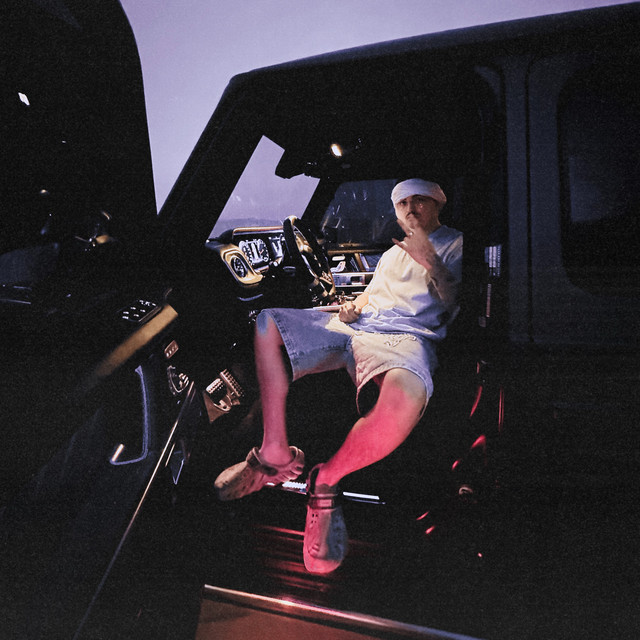
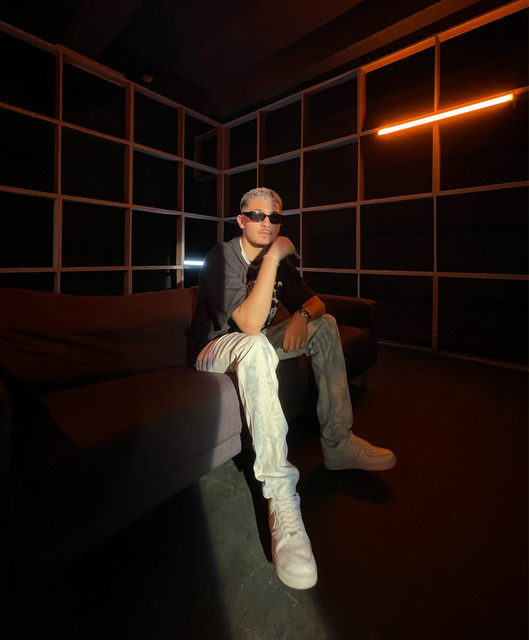
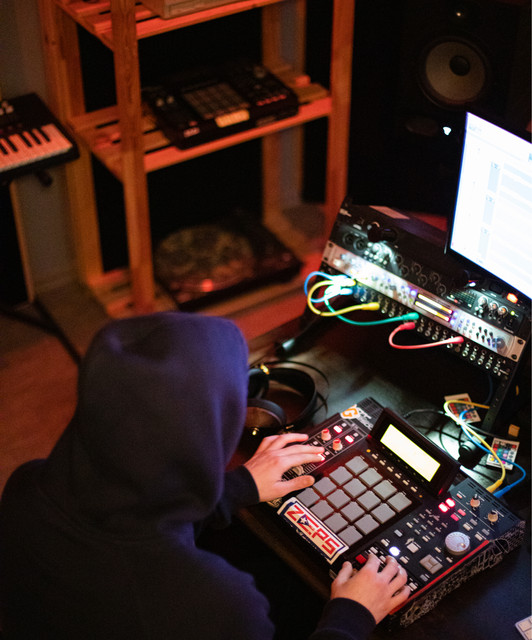
Sound and aesthetics: Romanian trap tends to balance hard-edged street rhetoric with melodic, sometimes cinematic passages. Production frequently emphasizes punchy bass, crisp triple-time hi-hat patterns, and a willingness to lean into moody, atmospherically rich synth lines. Lyrically, the genre covers a spectrum from bravado and money talk to introspective reflections on loyalty, grit, and the pressures of city life. Visuals for Romanian trap videos often feature nocturnal cityscapes, neon-lit streets, and automotive or club scenes, reinforcing a vibe that appeals to listeners who enjoy both grit and charisma in equal measure.
Ambassadors and key artists: Romanian trap’s growth has been propelled by a wave of artists and producers who shaped the sound and opened doors for others. Some widely recognized figures associated with the scene include:
- NANE — one of the early breakout voices, blending trap rhythms with Romanian storytelling and catchy melodic hooks.
- Sick Luke — a prolific producer whose collaborations helped define the polish and punch of the Romanian trap sound.
- Doddy — an influential rapper in the circuit, known for trap-inflected tracks and strong presence in the scene.
- Additional producers and MCs across Bucharest, Cluj, Iași, and other cities have contributed to the evolving sound, often working within collectives and independent labels that sustain a steady stream of releases.
Where it travels: The core of Romanian trap is Romania, with a strong audience in Moldova and among Romanian-speaking communities abroad. Diaspora markets in Italy, Spain, the United Kingdom, and Germany have cultivated listening communities through streaming, live gigs, and social media. The genre’s appeal is geographic and cultural as much as it is musical, drawing fans who resonate with the city-driven energy, the language, and the everyday stories embedded in the tracks.
Looking ahead: Romanian trap shows no signs of slowing. It remains a living, evolving scene—continually redefining itself through collaborations, cross-genre experiments, and a new generation of artists who push the music toward fuller, more cinematic expressions. For enthusiasts, it’s a genre that rewards close listening and attentive discovery—where production craft, lyrical storytelling, and a sense of place come together in a uniquely Romanian groove.
Origins and evolution: The genre began to coalesce around 2014–2016 as Romanian MCs and producers started pairing trap’s rhythmic templates with Romanian lyrics and production sensibilities. It gained momentum on streaming platforms and YouTube, with independent releases and small labels helping to spread the sound beyond major radio playlists. Over the years, Romanian trap absorbed influence from neighboring scenes in Eastern Europe while pushing its own melodic sensibilities, often blending with elements of drill, pop-rap, and electronic textures. Today, it thrives in a climate of web-driven circulation, club culture, and festival stages that showcase both emerging voices and established acts.
Sound and aesthetics: Romanian trap tends to balance hard-edged street rhetoric with melodic, sometimes cinematic passages. Production frequently emphasizes punchy bass, crisp triple-time hi-hat patterns, and a willingness to lean into moody, atmospherically rich synth lines. Lyrically, the genre covers a spectrum from bravado and money talk to introspective reflections on loyalty, grit, and the pressures of city life. Visuals for Romanian trap videos often feature nocturnal cityscapes, neon-lit streets, and automotive or club scenes, reinforcing a vibe that appeals to listeners who enjoy both grit and charisma in equal measure.
Ambassadors and key artists: Romanian trap’s growth has been propelled by a wave of artists and producers who shaped the sound and opened doors for others. Some widely recognized figures associated with the scene include:
- NANE — one of the early breakout voices, blending trap rhythms with Romanian storytelling and catchy melodic hooks.
- Sick Luke — a prolific producer whose collaborations helped define the polish and punch of the Romanian trap sound.
- Doddy — an influential rapper in the circuit, known for trap-inflected tracks and strong presence in the scene.
- Additional producers and MCs across Bucharest, Cluj, Iași, and other cities have contributed to the evolving sound, often working within collectives and independent labels that sustain a steady stream of releases.
Where it travels: The core of Romanian trap is Romania, with a strong audience in Moldova and among Romanian-speaking communities abroad. Diaspora markets in Italy, Spain, the United Kingdom, and Germany have cultivated listening communities through streaming, live gigs, and social media. The genre’s appeal is geographic and cultural as much as it is musical, drawing fans who resonate with the city-driven energy, the language, and the everyday stories embedded in the tracks.
Looking ahead: Romanian trap shows no signs of slowing. It remains a living, evolving scene—continually redefining itself through collaborations, cross-genre experiments, and a new generation of artists who push the music toward fuller, more cinematic expressions. For enthusiasts, it’s a genre that rewards close listening and attentive discovery—where production craft, lyrical storytelling, and a sense of place come together in a uniquely Romanian groove.