Genre
ryukyu ongaku
Top Ryukyu ongaku Artists
Showing 22 of 22 artists
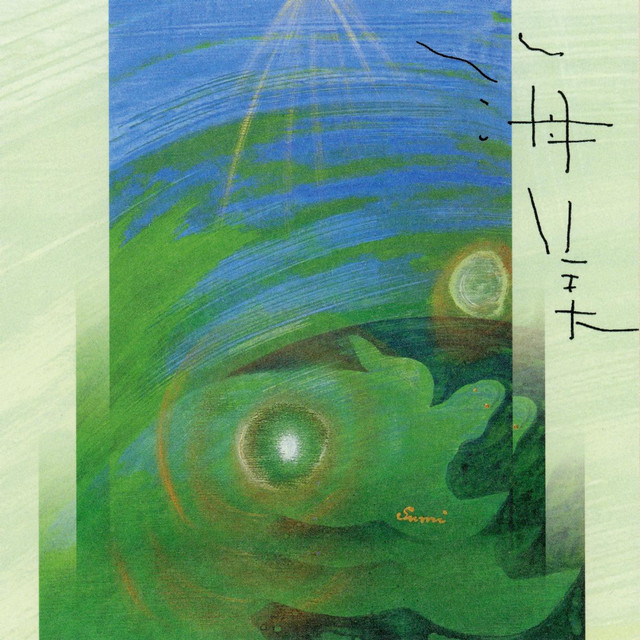

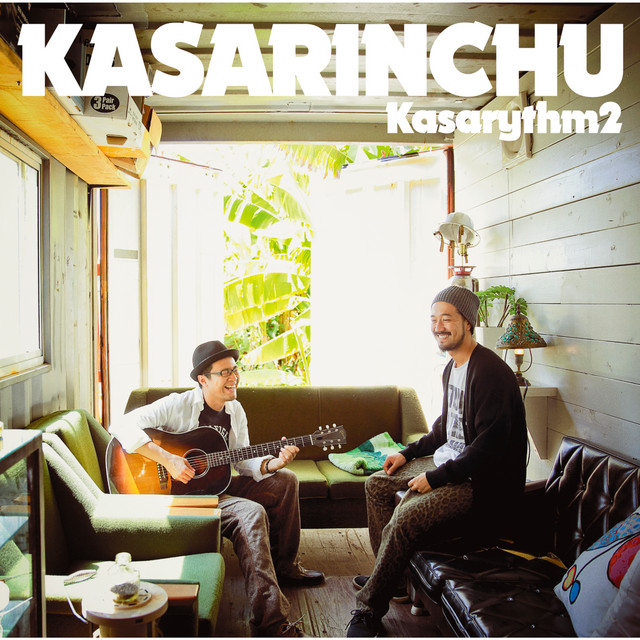
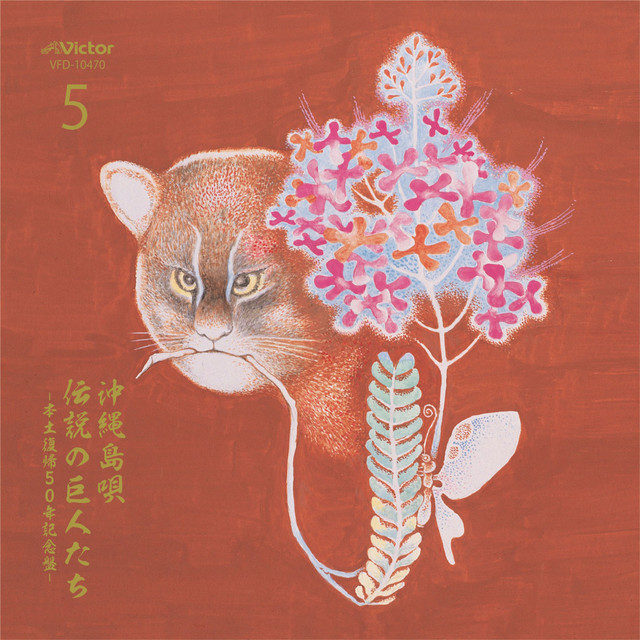
5

徳原大和
Japan
95
819 listeners
6
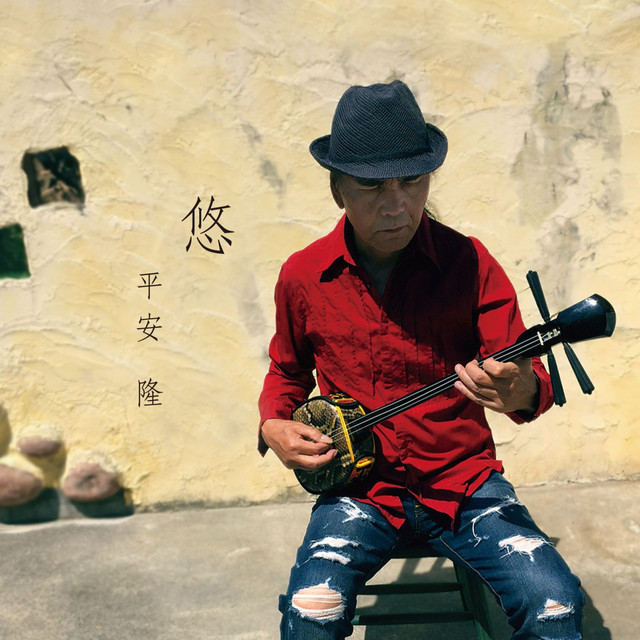
平安 隆
218
629 listeners

8

山里ユキ
136
298 listeners


12
里国隆
112
67 listeners


19

みなみ
176
4 listeners
21
喜納昌吉と喜納チャンプルーズ
39
- listeners
About Ryukyu ongaku
Ryukyu ongaku, or Okinawan music, is the resonant soundscape of the Ryukyus—the chain of islands that cradle Okinawa. Its heartbeat is the sanshin, a three-stringed instrument covered in snakeskin whose tremulous, bright timbre defines the genre. The tradition blends ancient courtly sonorities with island folk songs, sea-washed rhythms, and a spirit of improvisation that travels easily from ceremony to club stage. The interplay between vocal chant, clawed pine, and percussive textures creates a sound world that feels both ancestral and alive.
The roots run deep. Okinawan musical life grew within the historic Ryukyu Kingdom (roughly spanning the 15th to 19th centuries) and absorbed influences from China, Japan, and Southeast Asia. Court music and kumi odori (a refined form of dance-drama) developed sophisticated scales and ceremonial modes, while everyday people sang shima uta, or island songs, that spoke of love, labor, and the sea. When the Ryukyu Kingdom was annexed by Japan in 1879, and especially after World War II, Okinawan music began a continuous dialogue with broader Japanese pop, American rock, and global folk forms. What emerged is not a fossilized tradition but a living branch—traditions kept while allowing new currents to bend and reshape them.
In the modern era, ryukyu ongaku has flourished as both a preservation of heritage and a laboratory for fusion. The genre’s ambassadors include pioneering figures who braided sanshin with rock, reggae, jazz, and pop. Shoukichi Kina and his band Champloose are often cited as foundational international ambassadors: Kina’s fearless blend of traditional Okinawan melody with electric guitar and politically charged lyrics helped bring Okinawan music into the wider Japanese and world-music consciousness in the 1970s and beyond. The Rinken Band, formed in the 1980s by Rinken Teruya and colleagues, carried the torch of homegrown Okinawan song into contemporary arrangements, sustaining a bridge between community singing and polished studio productions. In more recent decades, groups like BEGIN have popularized Okinawa’s melodic and rhythmic vocabulary across Japan, while The Boom’s worldwide hit “Shima Uta” (Shima Uta meaning “island song”) helped introduce the island’s sonic identity to a global audience.
Geographically, ryukyu ongaku remains most deeply rooted in Okinawa Prefecture, where it is a living, daily practice and a prized cultural treasure. Its popularity in mainland Japan has grown through education, media, and live performance circuits. Outside Japan, it has found devoted listeners within world-music circles in Europe and the United States, and among Okinawan diasporas in Hawaii and other parts of the United States, Taiwan, and Korea, where the genre resonates with shared island identities and cross-cultural curiosity.
What makes ryukyu ongaku compelling to music enthusiasts is its ability to carry both memory and invention. It preserves a unique scale system and timbre while inviting jazz harmonies, rock energy, and pop accessibility. The result is a music that feels ancient and new at once—a continuous conversation between the sea-wind past and the neon-present future.
The roots run deep. Okinawan musical life grew within the historic Ryukyu Kingdom (roughly spanning the 15th to 19th centuries) and absorbed influences from China, Japan, and Southeast Asia. Court music and kumi odori (a refined form of dance-drama) developed sophisticated scales and ceremonial modes, while everyday people sang shima uta, or island songs, that spoke of love, labor, and the sea. When the Ryukyu Kingdom was annexed by Japan in 1879, and especially after World War II, Okinawan music began a continuous dialogue with broader Japanese pop, American rock, and global folk forms. What emerged is not a fossilized tradition but a living branch—traditions kept while allowing new currents to bend and reshape them.
In the modern era, ryukyu ongaku has flourished as both a preservation of heritage and a laboratory for fusion. The genre’s ambassadors include pioneering figures who braided sanshin with rock, reggae, jazz, and pop. Shoukichi Kina and his band Champloose are often cited as foundational international ambassadors: Kina’s fearless blend of traditional Okinawan melody with electric guitar and politically charged lyrics helped bring Okinawan music into the wider Japanese and world-music consciousness in the 1970s and beyond. The Rinken Band, formed in the 1980s by Rinken Teruya and colleagues, carried the torch of homegrown Okinawan song into contemporary arrangements, sustaining a bridge between community singing and polished studio productions. In more recent decades, groups like BEGIN have popularized Okinawa’s melodic and rhythmic vocabulary across Japan, while The Boom’s worldwide hit “Shima Uta” (Shima Uta meaning “island song”) helped introduce the island’s sonic identity to a global audience.
Geographically, ryukyu ongaku remains most deeply rooted in Okinawa Prefecture, where it is a living, daily practice and a prized cultural treasure. Its popularity in mainland Japan has grown through education, media, and live performance circuits. Outside Japan, it has found devoted listeners within world-music circles in Europe and the United States, and among Okinawan diasporas in Hawaii and other parts of the United States, Taiwan, and Korea, where the genre resonates with shared island identities and cross-cultural curiosity.
What makes ryukyu ongaku compelling to music enthusiasts is its ability to carry both memory and invention. It preserves a unique scale system and timbre while inviting jazz harmonies, rock energy, and pop accessibility. The result is a music that feels ancient and new at once—a continuous conversation between the sea-wind past and the neon-present future.