Genre
schlagerparty
Top Schlagerparty Artists
Showing 25 of 1,610 artists







About Schlagerparty
Schlagerparty is the upbeat, crowd-pleasing side of Schlager, the long-running German-language pop tradition built for dancing, singing along, and shared celebration. Think bright melodies, memorable choruses, and lyrics that thumb a quick emotional map—love, joy, everyday life, and the promise of a good night out. In a Schlagerparty setting, the emphasis is not artistry as much as the feeling of belonging, the instant hook, and the communal chorus that invites everyone to join in.
Origins and evolution
Schlager itself has deep roots in the German-speaking world, evolving through the postwar era as easy-to-access, radio-friendly songs that could be enjoyed across generations. The term Schlager translates roughly to “hit” or “pop tune,” and the repertoire ranged from Vienna cafés to ballroom stages. By the 1950s and 1960s, Schlager had become mainstream in Germany, Austria, and Switzerland, blending elements from folk, operetta, and simple chanson into broadly appealing tunes. The Schlagerparty subgenre crystallizes around the party-friendly subset: brisk tempos, driving rhythms, singable refrains, and a touch of affection for nostalgia and lighthearted romance. It’s the soundtrack of festival tents, ski lodges, country fairs, and Saturday-night television variety shows.
Key artists and ambassadors
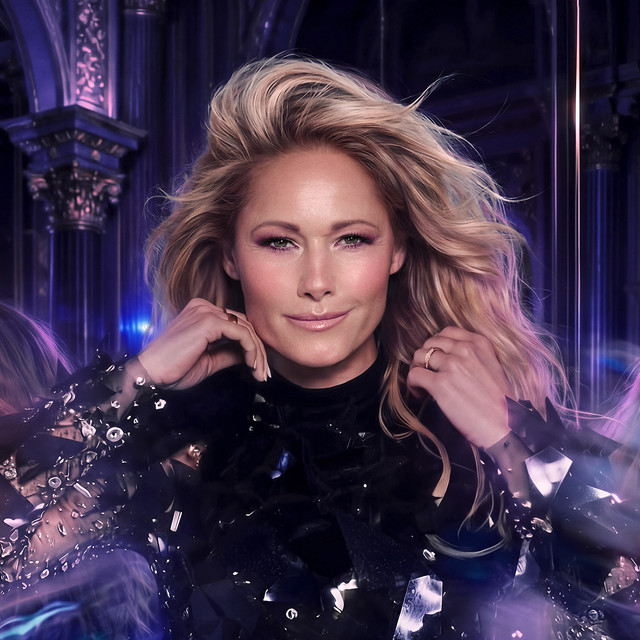
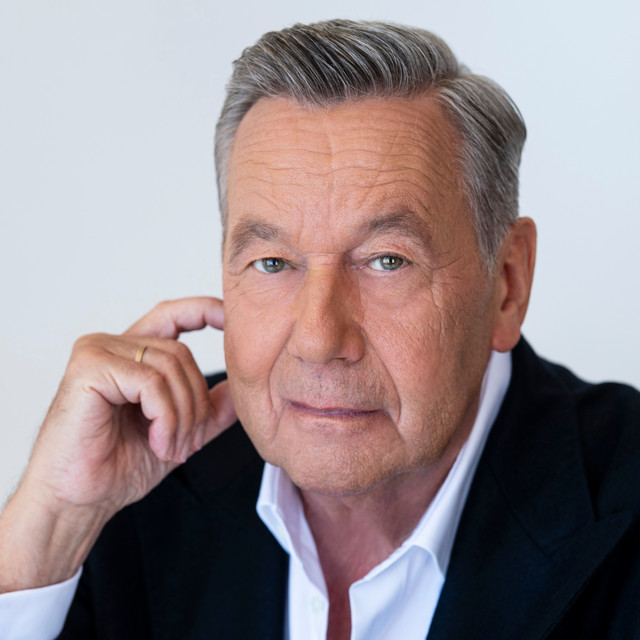
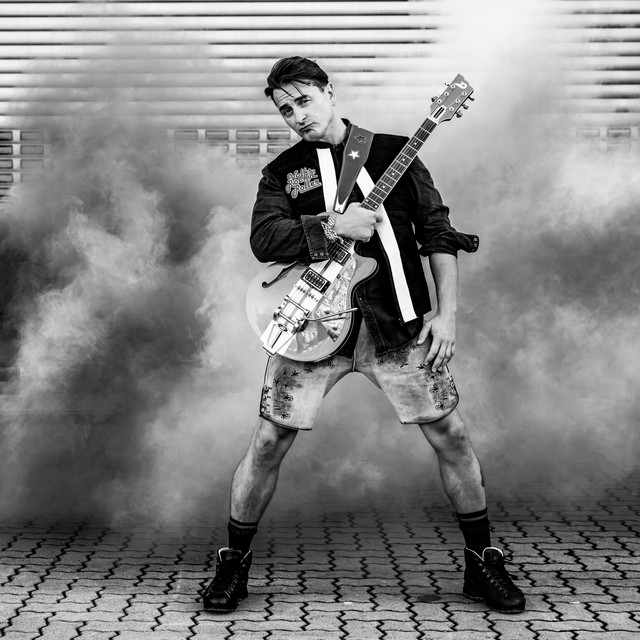
Early pillars of the scene include veteran stars who turned Schlager into a trusted cultural language: Heino, Roy Black, Rex Gildo, Peter Alexander, Caterina Valente, and Marianne Rosenberg are among the names that helped define the warm, tell-it-like-it-is sentiment typical of the genre. As the years moved on, newer generations kept the format alive and refreshed. Beatrice Egli, the Swiss winner of Deutschland sucht den Superstar in 2013, became a modern ambassador with polished live shows and a warm, approachable image. In Germany’s contemporary Schlager megastars, names such as Andrea Berg, Helene Fischer, Roland Kaiser, and Florian Silbereisen dominate arenas, TV specials, and festival stages. In Austria, Andreas Gabalier’s Volksrock’n’Roll approach fused rock-infused energy with traditional Schlager sensibilities, bringing a broader audience to the party side of the genre. DJ Ötzi, famous for “Hey Baby” and other upbeat anthems, also embodies the party-driving impulse of Schlager.
Geography and cultural footprint
Schlagerparty is most popular in German-speaking countries—Germany, Austria, and Switzerland—where it thrives in clubs, festival circuits, and televised variety formats. It also radiates from these hubs into neighboring regions with German-speaking communities, and it enjoys a dedicated, if niche, following in parts of Central and Northern Europe, including the Netherlands, Belgium, and Scandinavian markets, where fans celebrate with themed festivals and radio shows. The party format is especially associated with Oktoberfest-style atmospheres, après-ski gatherings, and large arena spectacles, where sing-alongs and choreography create a shared, almost ritual experience.
Why it resonates
For music enthusiasts, Schlagerparty offers a unique blend of musical craft and social ritual. The melodies are designed to be instantly grasped, the arrangements bright and robust, and the performance ethos public and inclusive. It isn’t only about listening—it’s about participating: clapping, singing, and letting a chorus carry the room. In a world of niche micro-genres, Schlagerparty remains a distinct, celebratory beacon of shared musical joy within the broader Schlager universe.
Origins and evolution
Schlager itself has deep roots in the German-speaking world, evolving through the postwar era as easy-to-access, radio-friendly songs that could be enjoyed across generations. The term Schlager translates roughly to “hit” or “pop tune,” and the repertoire ranged from Vienna cafés to ballroom stages. By the 1950s and 1960s, Schlager had become mainstream in Germany, Austria, and Switzerland, blending elements from folk, operetta, and simple chanson into broadly appealing tunes. The Schlagerparty subgenre crystallizes around the party-friendly subset: brisk tempos, driving rhythms, singable refrains, and a touch of affection for nostalgia and lighthearted romance. It’s the soundtrack of festival tents, ski lodges, country fairs, and Saturday-night television variety shows.
Key artists and ambassadors
Early pillars of the scene include veteran stars who turned Schlager into a trusted cultural language: Heino, Roy Black, Rex Gildo, Peter Alexander, Caterina Valente, and Marianne Rosenberg are among the names that helped define the warm, tell-it-like-it-is sentiment typical of the genre. As the years moved on, newer generations kept the format alive and refreshed. Beatrice Egli, the Swiss winner of Deutschland sucht den Superstar in 2013, became a modern ambassador with polished live shows and a warm, approachable image. In Germany’s contemporary Schlager megastars, names such as Andrea Berg, Helene Fischer, Roland Kaiser, and Florian Silbereisen dominate arenas, TV specials, and festival stages. In Austria, Andreas Gabalier’s Volksrock’n’Roll approach fused rock-infused energy with traditional Schlager sensibilities, bringing a broader audience to the party side of the genre. DJ Ötzi, famous for “Hey Baby” and other upbeat anthems, also embodies the party-driving impulse of Schlager.
Geography and cultural footprint
Schlagerparty is most popular in German-speaking countries—Germany, Austria, and Switzerland—where it thrives in clubs, festival circuits, and televised variety formats. It also radiates from these hubs into neighboring regions with German-speaking communities, and it enjoys a dedicated, if niche, following in parts of Central and Northern Europe, including the Netherlands, Belgium, and Scandinavian markets, where fans celebrate with themed festivals and radio shows. The party format is especially associated with Oktoberfest-style atmospheres, après-ski gatherings, and large arena spectacles, where sing-alongs and choreography create a shared, almost ritual experience.
Why it resonates
For music enthusiasts, Schlagerparty offers a unique blend of musical craft and social ritual. The melodies are designed to be instantly grasped, the arrangements bright and robust, and the performance ethos public and inclusive. It isn’t only about listening—it’s about participating: clapping, singing, and letting a chorus carry the room. In a world of niche micro-genres, Schlagerparty remains a distinct, celebratory beacon of shared musical joy within the broader Schlager universe.