Genre
shamanic
Top Shamanic Artists
Showing 25 of 130 artists




About Shamanic
Shamanic is a descriptive label for a wide, ritual-minded current in music: sounds built to evoke trance, journey, and healing, often blending ancient atmospheres with contemporary production. It’s less about a single musical lineage than about a shared intent—music that feels ceremonial, otherworldly, and transformative. The genre foregrounds percussion, chant, and ritual textures, inviting listeners to enter a space that resembles a shamanic journey rather than a conventional song.
Historically, shamanism is among humanity’s oldest spiritual practices, present in Siberia and Central Asia, across the Americas, Africa, and beyond. Shamans used drum, rattle, and voice to traverse other realms for healing, guidance, and communication with spirits. In the late 20th century, Western musicians adopted and reinterpreted those sonic cues within the evolving worlds of ambient, new age, and electronic music. The result was a loosely defined scene where producers and performers create “shamanic” soundscapes that honor ritual pacing, sacred sounds, and the sense of a journey rather than straightforward verse-chorus structures.
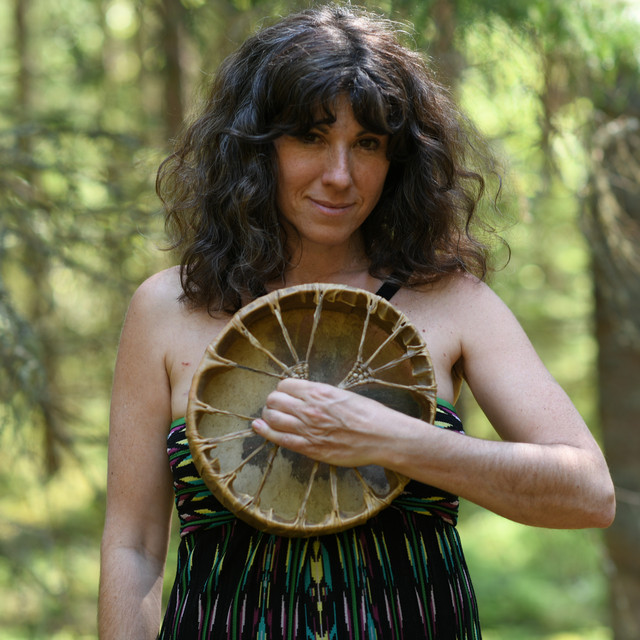
Musically, shamanic tracks center drums—hand drums, frame drums, and other percussive instruments—often layered in hypnotic, looping cycles that can feel almost trance-inducing. They are joined by rattles, bells, and vocal chants, sometimes in indigenous languages or in evocative glossolalia. Drones, throat-sung vowels, and ceremonial bells provide a sustained atmosphere, over which natural field recordings (water, wind, forest sounds) or synthetic textures are woven. The tempo is frequently steady or slowly evolving, designed to suspend time and guide the listener into a meditative or trance-like state. The production tends toward spacious reverbs and warm, organic tones, though many modern tracks fuse those elements with digital textures, sampling, and subtle basslines.
In practice, shamanic music spans a wide spectrum: neo-shamanic ambient, psychedelic world music, ritual-focused electronica, and even “shamanic rock” in some bands. It has found prominent expression in the United States, the United Kingdom, and much of Europe, where ambient and world-music scenes welcome ceremonial aesthetics. Russian and other Eastern European audiences have shown strong engagement with trance- and drum-centric pieces that echo Siberian and Central Asian traditions. It also has a substantial foothold in Brazil, Peru, and other parts of the Americas, where indigenous ritual music and contemporary healing practices intersect in festival settings and album releases. In Asia and Australia, artists increasingly meld traditional percussion and chant with electronic textures, broadening the genre’s reach.
Notable ambassadors often cited in the shamanic-inflected sphere include Shpongle, the British duo blending psychedelia with world and ritual textures; Entheogenic, a European pair known for their hybrid of electronic soundscapes with shamanic vocal samples; and Dead Can Dance, whose ritual, globally informed instrumentation and chant-inflected songs have influenced many listeners seeking ceremonial resonance. Acts like The Hu from Mongolia also illustrate how ancient, shamanic motifs can translate into contemporary, genre-crossing music. While “shamanic” can describe a mood more than a rigid canon, its core appeal remains clear: music that feels like a doorway to another realm, inviting immersion, reflection, and a sense of awakening.
Historically, shamanism is among humanity’s oldest spiritual practices, present in Siberia and Central Asia, across the Americas, Africa, and beyond. Shamans used drum, rattle, and voice to traverse other realms for healing, guidance, and communication with spirits. In the late 20th century, Western musicians adopted and reinterpreted those sonic cues within the evolving worlds of ambient, new age, and electronic music. The result was a loosely defined scene where producers and performers create “shamanic” soundscapes that honor ritual pacing, sacred sounds, and the sense of a journey rather than straightforward verse-chorus structures.
Musically, shamanic tracks center drums—hand drums, frame drums, and other percussive instruments—often layered in hypnotic, looping cycles that can feel almost trance-inducing. They are joined by rattles, bells, and vocal chants, sometimes in indigenous languages or in evocative glossolalia. Drones, throat-sung vowels, and ceremonial bells provide a sustained atmosphere, over which natural field recordings (water, wind, forest sounds) or synthetic textures are woven. The tempo is frequently steady or slowly evolving, designed to suspend time and guide the listener into a meditative or trance-like state. The production tends toward spacious reverbs and warm, organic tones, though many modern tracks fuse those elements with digital textures, sampling, and subtle basslines.
In practice, shamanic music spans a wide spectrum: neo-shamanic ambient, psychedelic world music, ritual-focused electronica, and even “shamanic rock” in some bands. It has found prominent expression in the United States, the United Kingdom, and much of Europe, where ambient and world-music scenes welcome ceremonial aesthetics. Russian and other Eastern European audiences have shown strong engagement with trance- and drum-centric pieces that echo Siberian and Central Asian traditions. It also has a substantial foothold in Brazil, Peru, and other parts of the Americas, where indigenous ritual music and contemporary healing practices intersect in festival settings and album releases. In Asia and Australia, artists increasingly meld traditional percussion and chant with electronic textures, broadening the genre’s reach.
Notable ambassadors often cited in the shamanic-inflected sphere include Shpongle, the British duo blending psychedelia with world and ritual textures; Entheogenic, a European pair known for their hybrid of electronic soundscapes with shamanic vocal samples; and Dead Can Dance, whose ritual, globally informed instrumentation and chant-inflected songs have influenced many listeners seeking ceremonial resonance. Acts like The Hu from Mongolia also illustrate how ancient, shamanic motifs can translate into contemporary, genre-crossing music. While “shamanic” can describe a mood more than a rigid canon, its core appeal remains clear: music that feels like a doorway to another realm, inviting immersion, reflection, and a sense of awakening.