Genre
sierra leonean pop
Top Sierra leonean pop Artists
Showing 25 of 61 artists










About Sierra leonean pop
Sierra Leonean pop is a living, evolving expression of Sierra Leone's urban soundscape, blending the coast's palm-wine guitar's lilting swing with the melodic sensibilities of highlife, reggae, and dancehall. In Krio and English, the songs aim for immediacy: catchy hooks, call-and-response choruses, and verses that swing between intimate storytelling and bold social commentary. The genre's roots stretch back to mid-century Sierra Leonean popular forms—palm-wine and highlife bands that traveled from Freetown's clubs to village gatherings—yet it came into sharper focus as a distinct pop language in the late 1990s and early 2000s, when artists packaged local styles with global pop production. Musically, the guitar takes center stage with bright, jangly chords and crisp hi-hat patterns, while basslines lock into a buoyant pulse that invites steady street dancing. The genre also absorbs global pop textures—slick synth pads, polished vocal harmonies, and radio-friendly song structures—without losing its Sierra Leonean identity.
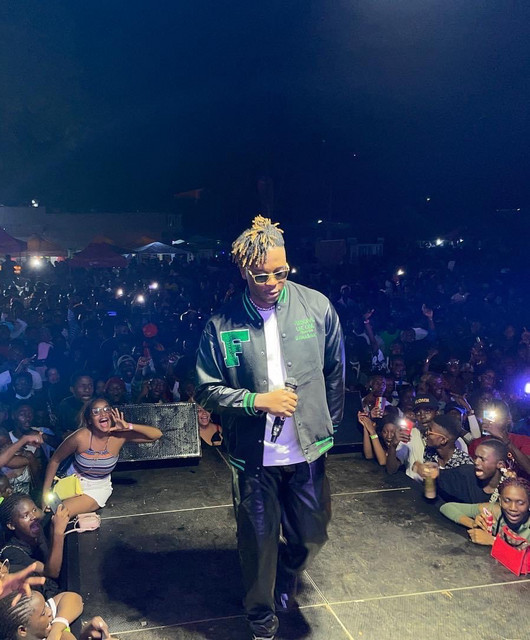
Characterized by danceable grooves and melodic guitar lines, Sierra Leonean pop tends to ride a fusion of local rhythmic ideas with Afrobeats-inspired drum patterns. Krio lyrics make the music instantly accessible to Sierra Leoneans at home and among the diaspora, while English verses widen its reach. The sound often alternates between bright, buoyant choruses and more reflective verses, allowing songs to function as party anthems and as earnest storytelling tools. Live performances emphasize audience call-and-response, with MCs and singers inviting the crowd to echo the hooks, and stagecraft that blends modern lighting with colorful dances and traditional attire.
Emmerson Bockarie has emerged as a cultural ambassador of Sierra Leonean pop, widely recognized for injecting reggae-tinged melodies and socially aware lyrics into contemporary tracks. His work—combining highlife-inflected guitar with a modern dancehall energy—has helped draw international attention to the Sierra Leonean mainstream. In addition to him, a new generation of artists in Freetown and among the diaspora continues to push the genre forward, experimenting with trap-influenced rhythms, lighter R&B textures, and bilingual lyric choices that preserve Krio's distinctive cadence. Producers from Freetown and Western diasporic studios collaborate, blending digital production with live-recorded percussion to keep the sound dynamic and current.
Regionally, Sierra Leonean pop resonates most strongly in Sierra Leone itself and among Sierra Leonean communities in the United Kingdom, the United States, Canada, and parts of mainland Africa where Krio and English are understood or where West African pop scenes share audiences. The genre's global footprint grows as digital platforms—YouTube, Spotify, Apple Music—make music from Freetown accessible to fans who crave the energy, resilience, and storytelling voice of Sierra Leonean artists. Tour circuits and festival bookings in major capitals bring these acts to new listeners, expanding the sense of a continental pop dialogue rather than a single-country phenomenon.
Ultimately, Sierra Leonean pop offers a snapshot of a nation negotiating tradition and modernity: it honors ancestral sounds while embracing the hook-driven economy of contemporary pop. For enthusiasts, it presents a rhythmic passport—you hear the palm-wine nostalgia, the highlife pulse, the reggae air, and the glossy pop polish, all threaded through Krio and sung with a candor that invites you to move, reflect, and return for more.
Characterized by danceable grooves and melodic guitar lines, Sierra Leonean pop tends to ride a fusion of local rhythmic ideas with Afrobeats-inspired drum patterns. Krio lyrics make the music instantly accessible to Sierra Leoneans at home and among the diaspora, while English verses widen its reach. The sound often alternates between bright, buoyant choruses and more reflective verses, allowing songs to function as party anthems and as earnest storytelling tools. Live performances emphasize audience call-and-response, with MCs and singers inviting the crowd to echo the hooks, and stagecraft that blends modern lighting with colorful dances and traditional attire.
Emmerson Bockarie has emerged as a cultural ambassador of Sierra Leonean pop, widely recognized for injecting reggae-tinged melodies and socially aware lyrics into contemporary tracks. His work—combining highlife-inflected guitar with a modern dancehall energy—has helped draw international attention to the Sierra Leonean mainstream. In addition to him, a new generation of artists in Freetown and among the diaspora continues to push the genre forward, experimenting with trap-influenced rhythms, lighter R&B textures, and bilingual lyric choices that preserve Krio's distinctive cadence. Producers from Freetown and Western diasporic studios collaborate, blending digital production with live-recorded percussion to keep the sound dynamic and current.
Regionally, Sierra Leonean pop resonates most strongly in Sierra Leone itself and among Sierra Leonean communities in the United Kingdom, the United States, Canada, and parts of mainland Africa where Krio and English are understood or where West African pop scenes share audiences. The genre's global footprint grows as digital platforms—YouTube, Spotify, Apple Music—make music from Freetown accessible to fans who crave the energy, resilience, and storytelling voice of Sierra Leonean artists. Tour circuits and festival bookings in major capitals bring these acts to new listeners, expanding the sense of a continental pop dialogue rather than a single-country phenomenon.
Ultimately, Sierra Leonean pop offers a snapshot of a nation negotiating tradition and modernity: it honors ancestral sounds while embracing the hook-driven economy of contemporary pop. For enthusiasts, it presents a rhythmic passport—you hear the palm-wine nostalgia, the highlife pulse, the reggae air, and the glossy pop polish, all threaded through Krio and sung with a candor that invites you to move, reflect, and return for more.