Genre
sierreño
Top Sierreño Artists
Showing 25 of 1,012 artists
















About Sierreño
Sierreño is a compact, guitar-driven branch of regional Mexican music that emerged from the Sierra Madre Occidental’s cultural crossroads, between the states of Sinaloa, Sonora, Durango and Chihuahua. It grew out of the same northern tradition that gave norteño and corridos their distinctive DNA, but it distinguished itself by centering the acoustic guitar—often referred to as the guitarra sierreña—alongside traditional instruments. The result is a intimate, storytelling-heavy sound that feels close to the listener, as if the songs were being spoken in a small room rather than performed on a grand stage.
Origins and evolution
Sierreño’s rise began in the late 20th century as musicians from the Sierra regions blended melodic sensitivity with the rugged, corrido-focused storytelling of Norteño and regional ballads. By the 2000s and 2010s, the style crystallized around guitar-centric arrangements that favored arpeggios, nimble picking, and restrained, emotionally direct vocal delivery. The unaffiliated, street-level appeal of sierreño helped it spread beyond its homeland, reaching Mexican audiences nationwide and through Mexican-American communities across the United States. Its growth has been propelled by live venues, regional radio, and now streaming platforms that connect listeners with intimate, narrative songs.
Musical characteristics
Key to the sierreño sound is the guitarra sierreña, a six-string acoustic guitar often featured front-and-center with a sparse rhythm section. The harmonic palette is typically simple yet lush, focusing on melody and sentiment over flashy virtuosity. Bass and bajo sexto or occasional percussion may underpin the arrangements, but the guitar remains the guiding voice. Vocals are often earnest and direct, with a delivery that favors storytelling and clear diction. Lyrically, sierreño songs range from corridos and romantic ballads to reflective vignettes about life in the mountains, love, longing, and everyday struggles. The tempo can swing from mid-tempo ballads to steady, lilting rhythms that invite close listening.
Themes and mood
Sierreño songs tend to be intimate, with a strong emphasis on personal storytelling. Lyrics frequently explore love and heartbreak, family and loyalty, the rugged realities of life near the land, and the moral complexities of life in the Sierra. The mood can be earnest and melancholic, but it is also capable of warmth and resilience, often balancing sorrow with a sense of endurance and hope.
Ambassadors and key acts
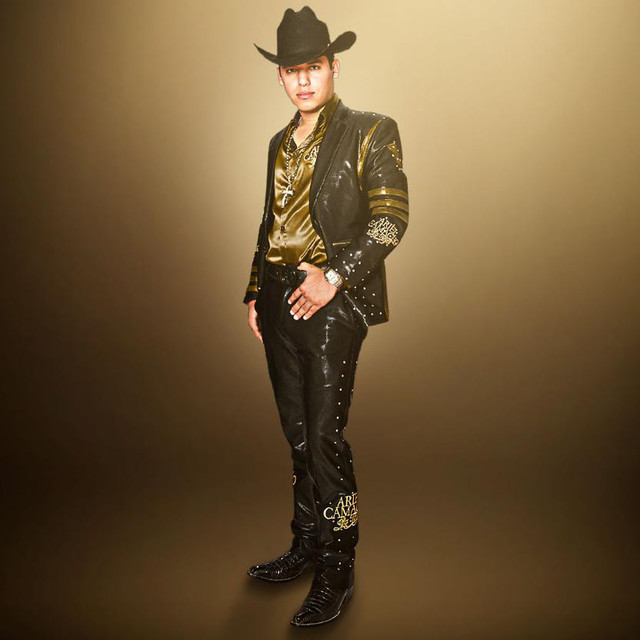
One of the iconic ambassadors of the sound is Ariel Camacho y Los Plebes del Rancho. Camacho’s deeply guitar-driven approach and emotive singing helped crystallize the sierreño voice for a broad audience before his untimely passing. Other acts that have carried the torch include groups from the Sierra region that lean into the guitar-centered aesthetic, combining traditional corrido storytelling with modern production to keep the sound fresh for new generations. These artists collectively solidified sierreño’s identity as a distinct, recognizable strand within regional Mexican music.
Geography and audience
Sierreño is most popular in Mexico, particularly in the northern states near the Sierra region, and it has a significant and growing audience in the United States, where large Mexican and Mexican-American communities have embraced its intimate, guitar-driven storytelling. It also reaches listeners through streaming platforms worldwide, appealing to those drawn to lyrical craft and muted, emotionally charged performances.
If you’re exploring regional Mexican music as a music enthusiast, sierreño offers a focused, heartfelt doorway: guitar-led melodies, clear storytelling, and a sense of place that feels both nostalgic and immediate.
Origins and evolution
Sierreño’s rise began in the late 20th century as musicians from the Sierra regions blended melodic sensitivity with the rugged, corrido-focused storytelling of Norteño and regional ballads. By the 2000s and 2010s, the style crystallized around guitar-centric arrangements that favored arpeggios, nimble picking, and restrained, emotionally direct vocal delivery. The unaffiliated, street-level appeal of sierreño helped it spread beyond its homeland, reaching Mexican audiences nationwide and through Mexican-American communities across the United States. Its growth has been propelled by live venues, regional radio, and now streaming platforms that connect listeners with intimate, narrative songs.
Musical characteristics
Key to the sierreño sound is the guitarra sierreña, a six-string acoustic guitar often featured front-and-center with a sparse rhythm section. The harmonic palette is typically simple yet lush, focusing on melody and sentiment over flashy virtuosity. Bass and bajo sexto or occasional percussion may underpin the arrangements, but the guitar remains the guiding voice. Vocals are often earnest and direct, with a delivery that favors storytelling and clear diction. Lyrically, sierreño songs range from corridos and romantic ballads to reflective vignettes about life in the mountains, love, longing, and everyday struggles. The tempo can swing from mid-tempo ballads to steady, lilting rhythms that invite close listening.
Themes and mood
Sierreño songs tend to be intimate, with a strong emphasis on personal storytelling. Lyrics frequently explore love and heartbreak, family and loyalty, the rugged realities of life near the land, and the moral complexities of life in the Sierra. The mood can be earnest and melancholic, but it is also capable of warmth and resilience, often balancing sorrow with a sense of endurance and hope.
Ambassadors and key acts
One of the iconic ambassadors of the sound is Ariel Camacho y Los Plebes del Rancho. Camacho’s deeply guitar-driven approach and emotive singing helped crystallize the sierreño voice for a broad audience before his untimely passing. Other acts that have carried the torch include groups from the Sierra region that lean into the guitar-centered aesthetic, combining traditional corrido storytelling with modern production to keep the sound fresh for new generations. These artists collectively solidified sierreño’s identity as a distinct, recognizable strand within regional Mexican music.
Geography and audience
Sierreño is most popular in Mexico, particularly in the northern states near the Sierra region, and it has a significant and growing audience in the United States, where large Mexican and Mexican-American communities have embraced its intimate, guitar-driven storytelling. It also reaches listeners through streaming platforms worldwide, appealing to those drawn to lyrical craft and muted, emotionally charged performances.
If you’re exploring regional Mexican music as a music enthusiast, sierreño offers a focused, heartfelt doorway: guitar-led melodies, clear storytelling, and a sense of place that feels both nostalgic and immediate.