Genre
australian indigenous hip hop
Top Australian indigenous hip hop Artists
Showing 25 of 28 artists









About Australian indigenous hip hop
Australian Indigenous hip hop is a vibrant, evolving movement that sits at the crossroads of urban rhythm, traditional storytelling, and political voice. It is a genre built by Aboriginal and Torres Strait Islander artists who use rap and production to assert sovereignty, celebrate culture, and illuminate social and political realities. What makes it distinctive is not only the cadence and beats but the way language, sound, and memory thread through the music. You’ll hear English filtered through Yolngu Matha and various Indigenous languages, as well as samples and textures drawn from traditional instruments, ambient soundscapes, and contemporary club energy. The result is a sonic landscape that is recognizably hip hop while palpably rooted in place and community.
Origin-wise, Australian Indigenous hip hop began taking shape in the late 1990s and early 2000s, amid a surge of indigenous artistic expression across the country. DIY crews and independent labels gave Indigenous artists room to experiment with form and message, and the form quickly became a conduit for historical reflection, cultural revival, and social critique. The genre grew out of urban experiences in cities like Sydney, Melbourne, and Perth, but it also drew on connections to remote communities where language and ritual still guide daily life. It’s a music of urgency and resilience, often addressing land rights, identity, racism, youth empowerment, and the fragile beauty of place.
Sound wise, Australian Indigenous hip hop embraces the core elements of hip hop—rhythm, storytelling, wordplay, and collaboration—while incorporating Indigenous motifs and voices. Expect hard-hitting verses, clever wordplay, and a strong sense of cadence that can swing from confrontational to introspective. Some tracks fuse didgeridoo drones, clapsticks, and field recordings with booming bass and grime-influenced production, creating a bridge between ancestral soundscapes and contemporary club culture. Multilingual verses are common, turning language into a resource and a bridge between generations.
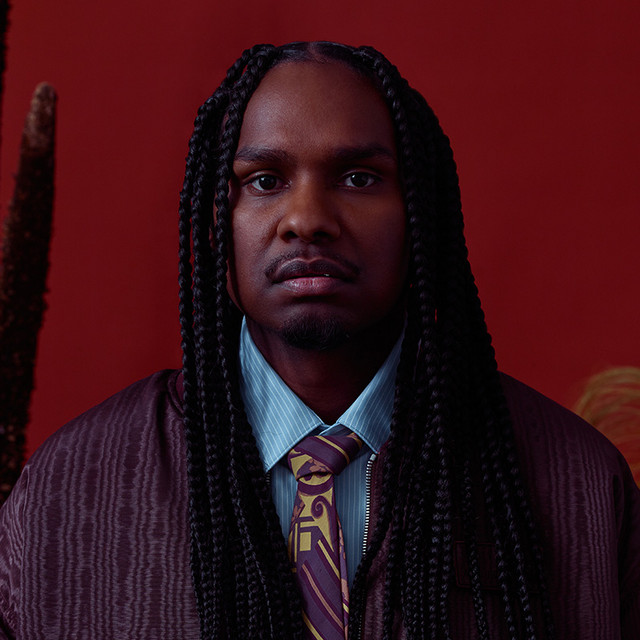
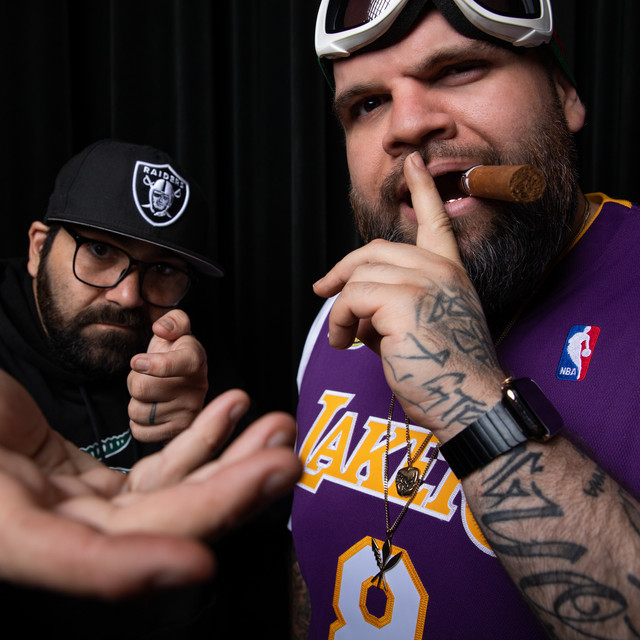
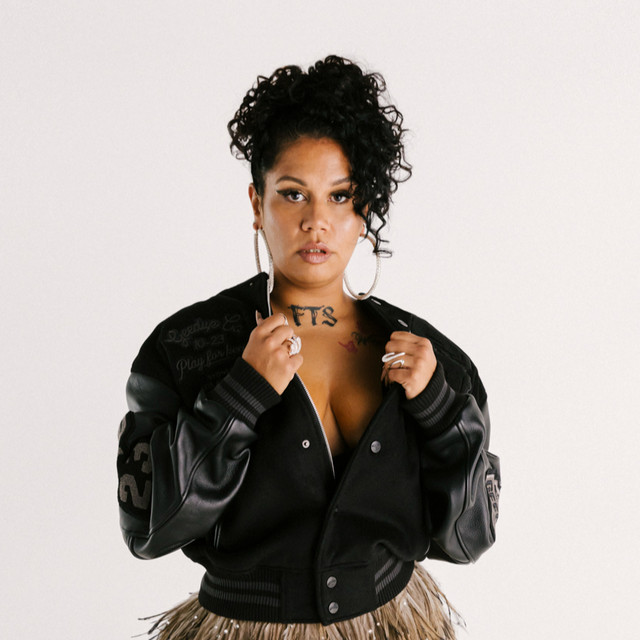
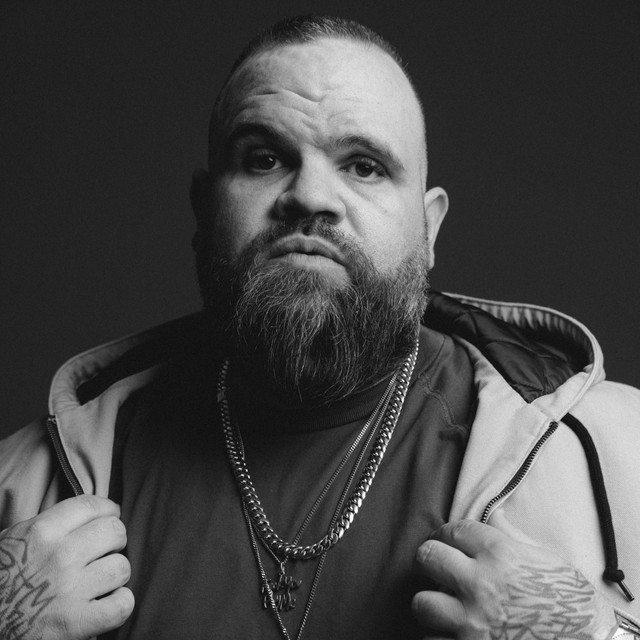
Key artists and ambassadors have helped carry the flag for the scene. Def Wish Cast, formed in the early 1990s, is often cited as one of the pioneering Indigenous hip hop crews in Australia, helping to define a national voice for the movement. In more recent years, names like Baker Boy and Briggs have become widely recognized ambassadors of the genre, bringing Indigenous rap to national screens and international stages. Other notable voices include Yirrmal, a Yolngu artist who weaves community stories into his music, and a growing roster of Indigenous MCs and producers who continue to push the sound forward from regional towns to major festivals.
In terms of popularity, the genre remains most deeply rooted in Australia, where it functions as cultural affirmation as well as entertainment. It also resonates with Pacific and Indigenous communities nearby and around the world through streaming, collaborations, and festival circuits. While the United States and Europe don’t host the same scale of Indigenous hip hop scenes, the music travels well through online platforms and live showcases, contributing to a growing, global appreciation of how Indigenous Australian voices intersect with hip hop’s rhythms.
Today, Australian Indigenous hip hop is a dynamic archive of contemporary life and a forward-facing platform for Indigenous voices. It honors history while sprinting into the future, inviting listeners to dance, think, and connect with stories that are both deeply local and universally human.
Origin-wise, Australian Indigenous hip hop began taking shape in the late 1990s and early 2000s, amid a surge of indigenous artistic expression across the country. DIY crews and independent labels gave Indigenous artists room to experiment with form and message, and the form quickly became a conduit for historical reflection, cultural revival, and social critique. The genre grew out of urban experiences in cities like Sydney, Melbourne, and Perth, but it also drew on connections to remote communities where language and ritual still guide daily life. It’s a music of urgency and resilience, often addressing land rights, identity, racism, youth empowerment, and the fragile beauty of place.
Sound wise, Australian Indigenous hip hop embraces the core elements of hip hop—rhythm, storytelling, wordplay, and collaboration—while incorporating Indigenous motifs and voices. Expect hard-hitting verses, clever wordplay, and a strong sense of cadence that can swing from confrontational to introspective. Some tracks fuse didgeridoo drones, clapsticks, and field recordings with booming bass and grime-influenced production, creating a bridge between ancestral soundscapes and contemporary club culture. Multilingual verses are common, turning language into a resource and a bridge between generations.
Key artists and ambassadors have helped carry the flag for the scene. Def Wish Cast, formed in the early 1990s, is often cited as one of the pioneering Indigenous hip hop crews in Australia, helping to define a national voice for the movement. In more recent years, names like Baker Boy and Briggs have become widely recognized ambassadors of the genre, bringing Indigenous rap to national screens and international stages. Other notable voices include Yirrmal, a Yolngu artist who weaves community stories into his music, and a growing roster of Indigenous MCs and producers who continue to push the sound forward from regional towns to major festivals.
In terms of popularity, the genre remains most deeply rooted in Australia, where it functions as cultural affirmation as well as entertainment. It also resonates with Pacific and Indigenous communities nearby and around the world through streaming, collaborations, and festival circuits. While the United States and Europe don’t host the same scale of Indigenous hip hop scenes, the music travels well through online platforms and live showcases, contributing to a growing, global appreciation of how Indigenous Australian voices intersect with hip hop’s rhythms.
Today, Australian Indigenous hip hop is a dynamic archive of contemporary life and a forward-facing platform for Indigenous voices. It honors history while sprinting into the future, inviting listeners to dance, think, and connect with stories that are both deeply local and universally human.