Genre
sinhala indie
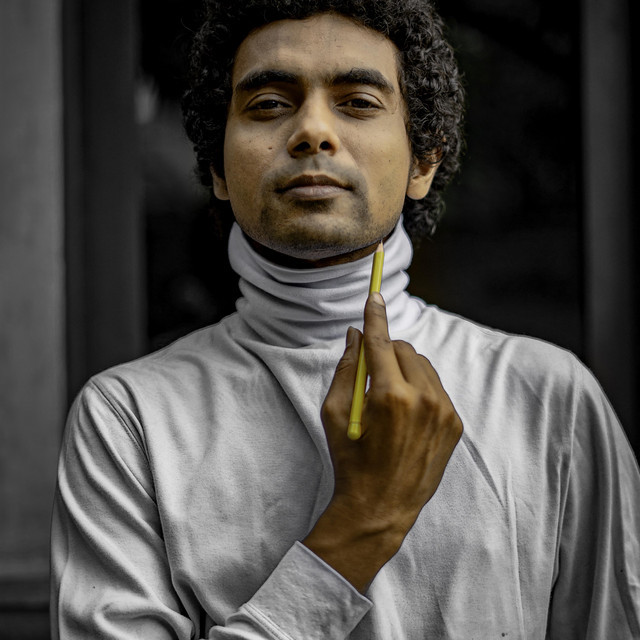
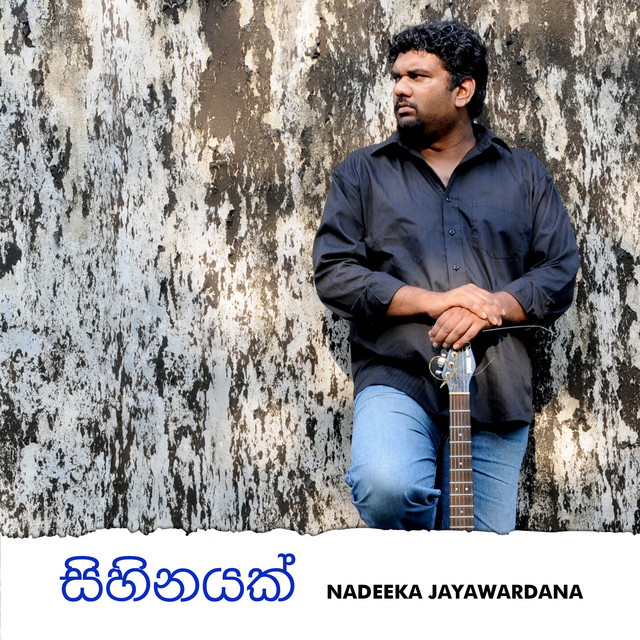
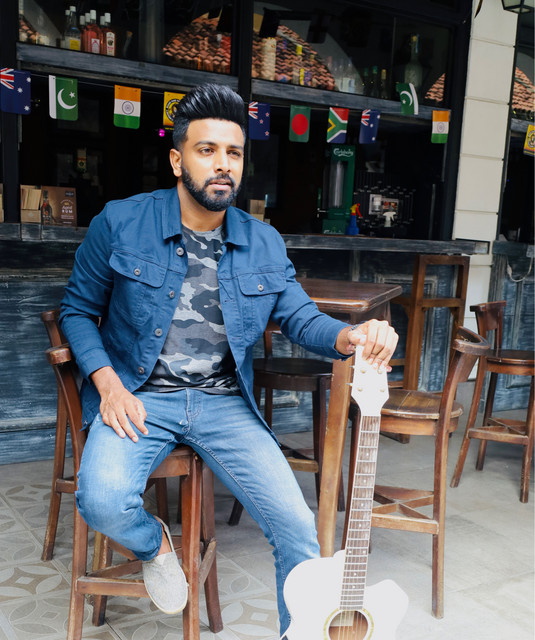
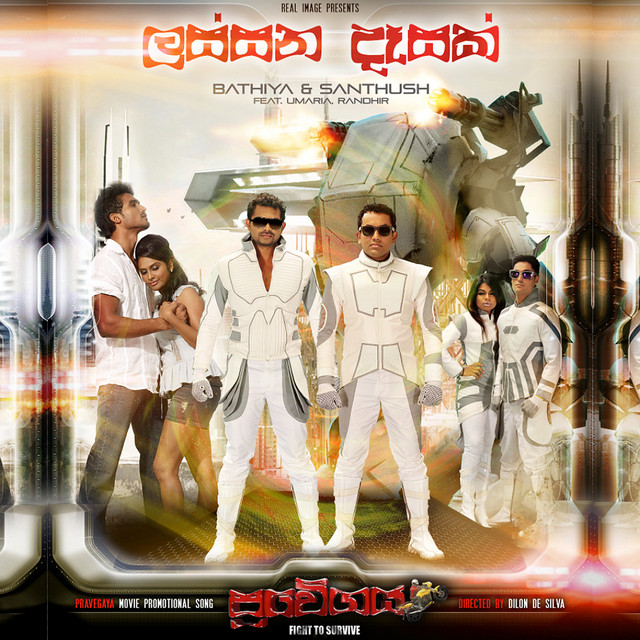
Top Sinhala indie Artists
Showing 25 of 56 artists












About Sinhala indie
Sinhala indie is a Sri Lankan music movement that folds Sinhala-language lyricism into the textures of indie rock, dream pop, folk, and lo-fi experiments. It is less a single sound than a spirit: intimate, guitar-driven, and anchored in personal storytelling rather than glossy commercial hooks.
Origins trace to the late 2000s in Colombo's rising network of bedroom studios, small venues, and university circles, where musicians began releasing demos on blogs, Bandcamp, and YouTube. As access to affordable recording gear expanded and English-language indie discourse spilled into Sinhala-language songwriting, a distinctly local voice emerged—one that could mirror Colombo's urban sensibilities while drawing on Sinhala literary and folk traditions. The scene matured through collaborations with poets, painters, and filmmakers, cultivating a wider culture around independent music.
Stylistically, Sinhala indie tends toward warm guitar tones, spare percussion, and vocal delivery that ranges from hushed confessionals to spirited anthems. Lyrics often explore memory, identity, yearning, social observation, and the quiet corners of everyday life. Production leans DIY: lo-fi textures, reverb-drenched guitars, and a practice of layering at home studios rather than chasing blockbuster polish. You may hear influences from Western indie rock, dream pop, and post-rock, but the melodies are unmistakably Sinhala in cadence and imagery, with local idioms, landscapes, and urban slang shaping the mood.
Platform and venues: The rise of accessible recording tech and social media allowed Sinhala indie to bypass traditional music industry gatekeepers. Online platforms—Bandcamp, YouTube, SoundCloud—helped artists reach audiences beyond Colombo. Locally, coffee houses, independent venues, and university events became launching pads for live performances, while festivals and cross-genre bills brought together listeners who crave intimate, emotionally direct music.
Ambassadors and key figures: The Sinhala indie scene features both veteran singer-songwriters dabbling in modern arrangements and bands experimenting with cross-genre collaborations. While names vary by generation, the role of the artist who writes in Sinhala and prioritizes artistic freedom—often with a DIY aesthetic and a strong online presence—has become a hallmark of the movement. They are the ambassadors who carry the sound to listeners in Sri Lanka's cities and in diaspora communities abroad, from the United Kingdom to Canada, Australia, and beyond.
Geography and reach: The core audience remains in Sri Lanka, particularly Colombo and its creative neighborhoods, but the diaspora keeps the music thriving in Europe, Africa, the Middle East, and the wider South Asian region. The genre continues to attract new producers who blend Sinhala expression with global indie textures, ensuring the scene remains fresh and evolving.
Impact and future: Sinhala indie has given young Sri Lankan artists a platform to tell local stories with global sensibilities, bridging tradition and contemporary youth culture. It invites collaborations with filmmakers, visual artists, and writers, and it thrives on a sense of community more than commercial hype. As the scene grows, it will likely diversify into subgenres—folk-inflected ballads, synth-driven experiments, and post-punk angularities—while preserving its core emphasis on sincere, Sinhala-language storytelling. Sinhala indie is a living, breathing movement: a soundtrack for a generation navigating memory and modern life in Sri Lanka and its global circles.
Origins trace to the late 2000s in Colombo's rising network of bedroom studios, small venues, and university circles, where musicians began releasing demos on blogs, Bandcamp, and YouTube. As access to affordable recording gear expanded and English-language indie discourse spilled into Sinhala-language songwriting, a distinctly local voice emerged—one that could mirror Colombo's urban sensibilities while drawing on Sinhala literary and folk traditions. The scene matured through collaborations with poets, painters, and filmmakers, cultivating a wider culture around independent music.
Stylistically, Sinhala indie tends toward warm guitar tones, spare percussion, and vocal delivery that ranges from hushed confessionals to spirited anthems. Lyrics often explore memory, identity, yearning, social observation, and the quiet corners of everyday life. Production leans DIY: lo-fi textures, reverb-drenched guitars, and a practice of layering at home studios rather than chasing blockbuster polish. You may hear influences from Western indie rock, dream pop, and post-rock, but the melodies are unmistakably Sinhala in cadence and imagery, with local idioms, landscapes, and urban slang shaping the mood.
Platform and venues: The rise of accessible recording tech and social media allowed Sinhala indie to bypass traditional music industry gatekeepers. Online platforms—Bandcamp, YouTube, SoundCloud—helped artists reach audiences beyond Colombo. Locally, coffee houses, independent venues, and university events became launching pads for live performances, while festivals and cross-genre bills brought together listeners who crave intimate, emotionally direct music.
Ambassadors and key figures: The Sinhala indie scene features both veteran singer-songwriters dabbling in modern arrangements and bands experimenting with cross-genre collaborations. While names vary by generation, the role of the artist who writes in Sinhala and prioritizes artistic freedom—often with a DIY aesthetic and a strong online presence—has become a hallmark of the movement. They are the ambassadors who carry the sound to listeners in Sri Lanka's cities and in diaspora communities abroad, from the United Kingdom to Canada, Australia, and beyond.
Geography and reach: The core audience remains in Sri Lanka, particularly Colombo and its creative neighborhoods, but the diaspora keeps the music thriving in Europe, Africa, the Middle East, and the wider South Asian region. The genre continues to attract new producers who blend Sinhala expression with global indie textures, ensuring the scene remains fresh and evolving.
Impact and future: Sinhala indie has given young Sri Lankan artists a platform to tell local stories with global sensibilities, bridging tradition and contemporary youth culture. It invites collaborations with filmmakers, visual artists, and writers, and it thrives on a sense of community more than commercial hype. As the scene grows, it will likely diversify into subgenres—folk-inflected ballads, synth-driven experiments, and post-punk angularities—while preserving its core emphasis on sincere, Sinhala-language storytelling. Sinhala indie is a living, breathing movement: a soundtrack for a generation navigating memory and modern life in Sri Lanka and its global circles.