Genre
smooth jazz
Top Smooth jazz Artists
Showing 25 of 2,874 artists













About Smooth jazz
Smooth jazz is a melodic, radio-friendly branch of jazz that rose to prominence in the late 1980s and blossomed through the 1990s. It tends to emphasize warm, lyrical melodies, soothing grooves, and a polished production palate that blends jazz with R&B, pop, and electronic textures. The result is music that feels accessible and cinematic, often serving as a mood-setter for cafes, lounges, and late-night listening alike.
Origins and evolution: Smooth jazz did not erupt from a single moment, but rather grew out of the broader contemporary jazz and jazz-fusion movements of the 1970s and 1980s. It draws on the cool- and modal-jazz sensibilities of artists who favored lyrical lines and restrained virtuosity, while embracing the sleek, hook-friendly sensibilities of popular music. By the late 1980s, a distinct radio format and scene had formed around this sound, with many stations curating an uninterrupted flow of instrumentals and vocal-friendly tracks. The term “smooth jazz” became the shorthand for this approachable, melody-forward style that could cross over to non-jazz audiences.
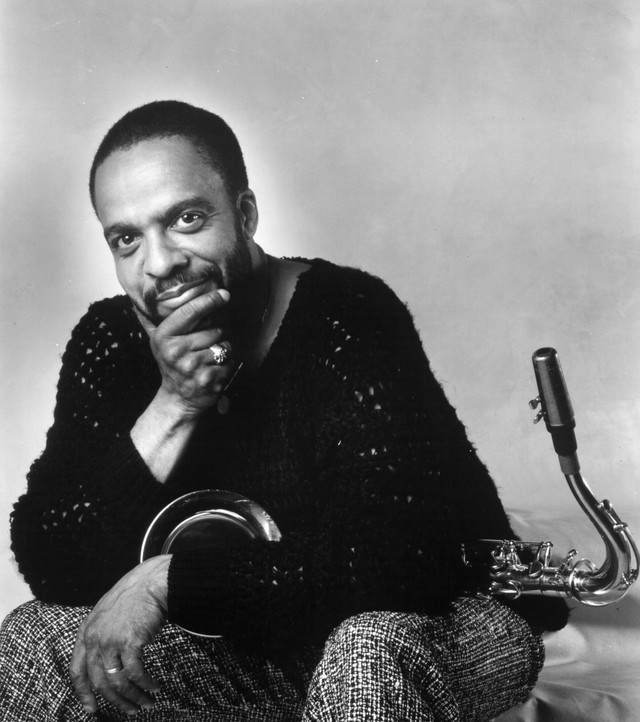
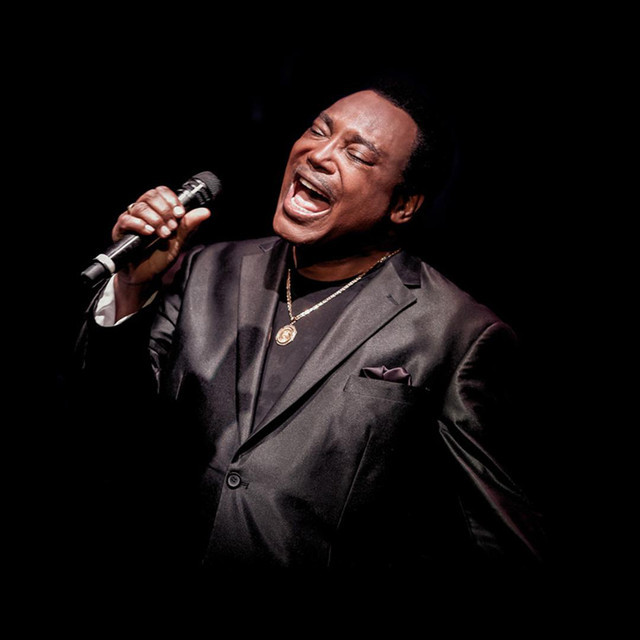
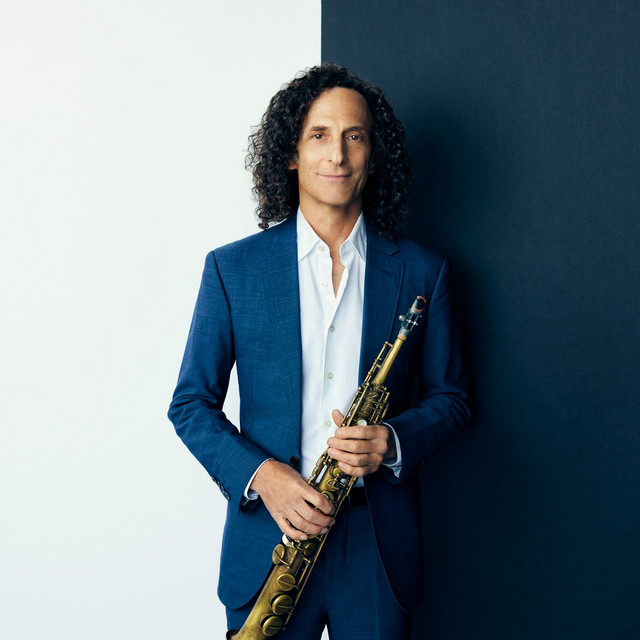
Key artists and ambassadors: Some names stand out as torchbearers and shapers of the genre. Kenny G became one of its most recognizable ambassadors, driving mainstream success with albums like Breathless, which helped propel the genre into global charts and multi-platinum sales. Grover Washington Jr. established a foundation for the smooth-jazz sound with his accessible saxophone-led phrasing in the 1980s and early 1990s. David Sanborn’s crisp alto tone and tasteful improvisation also connected jazz to wider audiences. George Benson, though rooted in jazz guitar, helped bridge improvisational virtuosity with pop appeal. In the contemporary wave, artists such as Dave Koz, Rick Braun, Boney James, Norman Brown, Najee, Kirk Whalum, Peter White, and Euge Groove have continued to define the style, expanding its sonic palette with soulful saxophone lines, shimmering keyboards, and clean guitar textures. The scene is also sustained by prolific producers and session players who craft the signature glossy, radio-ready sound.
Sound, mood, and instrumentation: Smooth jazz typically features saxophone or guitar as the lead voice, supported by electric piano, soft-synth textures, and gentle percussion. The tempo ranges from mid to slow, with an emphasis on clarity of melody and smooth, articulate phrasing. Reverb-drenched solos, lush chord voicings, and clean production contribute to an atmosphere of relaxation and ease, but the genre also accommodates groove-centric tracks with subtle funk-inflected undertones.
Geography and audience: The style is most popular in the United States, where it developed its defining radio formats and festival circuits, but it also enjoys strong followings in Europe, especially the United Kingdom, the Netherlands, and Scandinavia, as well as in Japan and other parts of Asia. Canada and Australia maintain steady audiences as well. While sometimes criticized by jazz purists as overly polished or background-oriented, smooth jazz remains a durable, widely loved lane for listeners who crave refined grooves with emotional warmth.
In sum, smooth jazz represents a bridge between jazz improvisation and mainstream listening, offering refined, mood-rich experiences that invite listeners to unwind, reflect, or simply savor a well-crafted melody.
Origins and evolution: Smooth jazz did not erupt from a single moment, but rather grew out of the broader contemporary jazz and jazz-fusion movements of the 1970s and 1980s. It draws on the cool- and modal-jazz sensibilities of artists who favored lyrical lines and restrained virtuosity, while embracing the sleek, hook-friendly sensibilities of popular music. By the late 1980s, a distinct radio format and scene had formed around this sound, with many stations curating an uninterrupted flow of instrumentals and vocal-friendly tracks. The term “smooth jazz” became the shorthand for this approachable, melody-forward style that could cross over to non-jazz audiences.
Key artists and ambassadors: Some names stand out as torchbearers and shapers of the genre. Kenny G became one of its most recognizable ambassadors, driving mainstream success with albums like Breathless, which helped propel the genre into global charts and multi-platinum sales. Grover Washington Jr. established a foundation for the smooth-jazz sound with his accessible saxophone-led phrasing in the 1980s and early 1990s. David Sanborn’s crisp alto tone and tasteful improvisation also connected jazz to wider audiences. George Benson, though rooted in jazz guitar, helped bridge improvisational virtuosity with pop appeal. In the contemporary wave, artists such as Dave Koz, Rick Braun, Boney James, Norman Brown, Najee, Kirk Whalum, Peter White, and Euge Groove have continued to define the style, expanding its sonic palette with soulful saxophone lines, shimmering keyboards, and clean guitar textures. The scene is also sustained by prolific producers and session players who craft the signature glossy, radio-ready sound.
Sound, mood, and instrumentation: Smooth jazz typically features saxophone or guitar as the lead voice, supported by electric piano, soft-synth textures, and gentle percussion. The tempo ranges from mid to slow, with an emphasis on clarity of melody and smooth, articulate phrasing. Reverb-drenched solos, lush chord voicings, and clean production contribute to an atmosphere of relaxation and ease, but the genre also accommodates groove-centric tracks with subtle funk-inflected undertones.
Geography and audience: The style is most popular in the United States, where it developed its defining radio formats and festival circuits, but it also enjoys strong followings in Europe, especially the United Kingdom, the Netherlands, and Scandinavia, as well as in Japan and other parts of Asia. Canada and Australia maintain steady audiences as well. While sometimes criticized by jazz purists as overly polished or background-oriented, smooth jazz remains a durable, widely loved lane for listeners who crave refined grooves with emotional warmth.
In sum, smooth jazz represents a bridge between jazz improvisation and mainstream listening, offering refined, mood-rich experiences that invite listeners to unwind, reflect, or simply savor a well-crafted melody.