Genre
spanish classical
Top Spanish classical Artists
Showing 14 of 14 artists
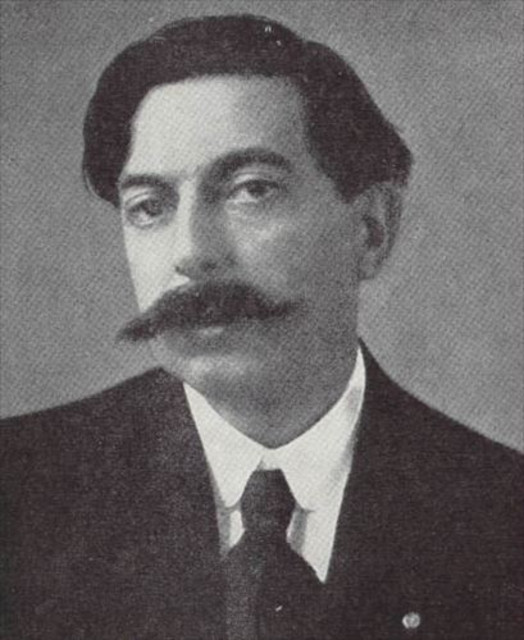
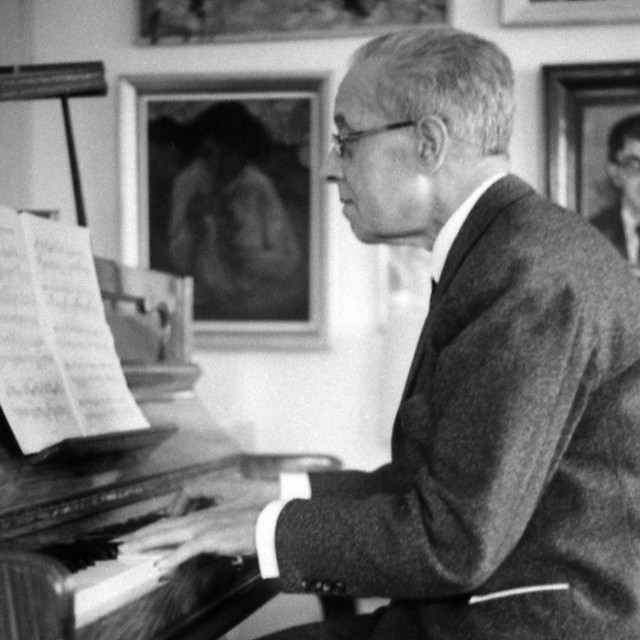
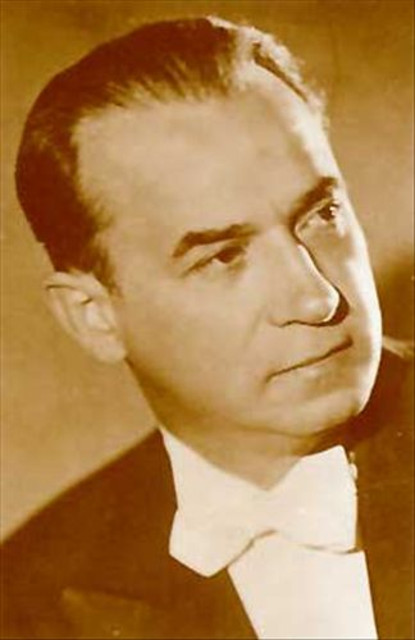
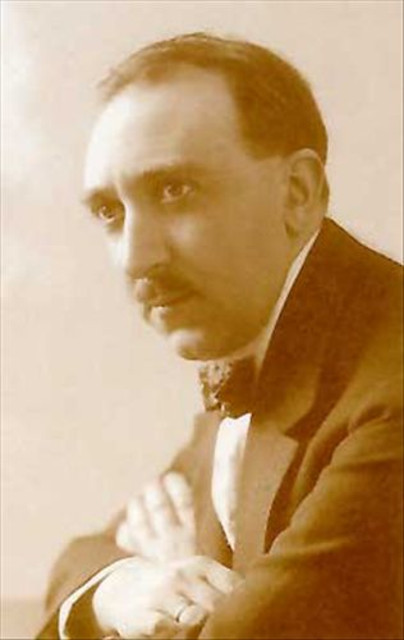


About Spanish classical
Spanish classical is a broad umbrella for a tradition of concert music rooted in Spain’s diverse tonal palette, from Moorish echoes to Iberian folk flavors. It isn’t a single school but a continuum that stretches from the salon pianos of Madrid and Barcelona to concert halls across Europe, the Americas, and, in recent decades, global stages. The moment a recognizably Spanish classical voice emerged is usually dated to the late 19th century, when composers began to move away from imported models and toward homeland imagery, color, and rhythm as engines of musical identity.
Among the earliest and most influential figures are Isaac Albéniz, Enrique Granados, and Manuel de Falla. Albéniz’s piano cycles, especially Iberia (written 1905–1908), are celebrated for their kaleidoscopic color and pianistic painterly effects that conjure Spanish landscapes—searing sun, stone courtyards, and distant horizons—purely through keyboard texture. Granados’s Goyescas and the Danzas españolas fuse lyric refinement with Spanish dances and folk-inflected idioms, bridging salon temperament and national character. Falla’s output spans the intimate and the orchestral: Siete canciones populares españolas (Seven Spanish Folk Songs) crystallizes Spain’s vocal character; El amor brujo and the ballet El sombrero de tres picos mix theatrical drama with Andalusian rhythms; and Nights in the Gardens of Spain (a orchestral-piano palette with Spanish color) stands as a late-Romantic homage to Spain’s habanera-inflected, sun-drenched sound world.
In the 20th century Joaquín Rodrigo added another landmark with Concierto de Aranjuez (1939). Written for guitar with orchestra, it fused cantabile melodies with luminous harmonies—an instantly recognizable Spanish concerto language. Rodrigo’s work helped redefine the guitar as a serious concert instrument on the world stage. Alongside him, composers such as Joaquín Turina continued to cultivate a distinctly Spanish voice within the European modernist milieu, weaving salon clarity with folkloric threads.
Interpretive ambassadors have shaped how the world hears Spanish classical music. Andrés Segovia, the legendary guitarist, did more than perform Rodrigo’s concerto—he championed Spanish repertoire for the guitar and helped elevate the guitar’s status in concert life. Pablo Casals, a pillar of the cello world, also carried Spanish-tinged repertoire into a wider international audience. These figures, along with orchestras and recitalists across Spain and the Americas, have kept the repertoire vibrant.
Where is Spanish classical most popular? In Spain, by definition, where it remains a living inheritance. It is also deeply admired across Latin America (Mexico, Argentina, Chile, Cuba, and beyond) due to shared language and cultural threads. In the United States and Europe, its colorful concert-literature—balancing lyricism, dance energy, and evocative imagery—continues to attract audiences seeking music with sunlit brightness, intense drama, and a sense of place. The genre’s essence lies in its ability to fuse national identity with universal craft: a melodic line that can sing in two hearts at once, rhythms that drift from courtly elegance to fiery jota, and an orchestral palette that can evoke a grand plaza or a whispering courtyard in the same evening.
Among the earliest and most influential figures are Isaac Albéniz, Enrique Granados, and Manuel de Falla. Albéniz’s piano cycles, especially Iberia (written 1905–1908), are celebrated for their kaleidoscopic color and pianistic painterly effects that conjure Spanish landscapes—searing sun, stone courtyards, and distant horizons—purely through keyboard texture. Granados’s Goyescas and the Danzas españolas fuse lyric refinement with Spanish dances and folk-inflected idioms, bridging salon temperament and national character. Falla’s output spans the intimate and the orchestral: Siete canciones populares españolas (Seven Spanish Folk Songs) crystallizes Spain’s vocal character; El amor brujo and the ballet El sombrero de tres picos mix theatrical drama with Andalusian rhythms; and Nights in the Gardens of Spain (a orchestral-piano palette with Spanish color) stands as a late-Romantic homage to Spain’s habanera-inflected, sun-drenched sound world.
In the 20th century Joaquín Rodrigo added another landmark with Concierto de Aranjuez (1939). Written for guitar with orchestra, it fused cantabile melodies with luminous harmonies—an instantly recognizable Spanish concerto language. Rodrigo’s work helped redefine the guitar as a serious concert instrument on the world stage. Alongside him, composers such as Joaquín Turina continued to cultivate a distinctly Spanish voice within the European modernist milieu, weaving salon clarity with folkloric threads.
Interpretive ambassadors have shaped how the world hears Spanish classical music. Andrés Segovia, the legendary guitarist, did more than perform Rodrigo’s concerto—he championed Spanish repertoire for the guitar and helped elevate the guitar’s status in concert life. Pablo Casals, a pillar of the cello world, also carried Spanish-tinged repertoire into a wider international audience. These figures, along with orchestras and recitalists across Spain and the Americas, have kept the repertoire vibrant.
Where is Spanish classical most popular? In Spain, by definition, where it remains a living inheritance. It is also deeply admired across Latin America (Mexico, Argentina, Chile, Cuba, and beyond) due to shared language and cultural threads. In the United States and Europe, its colorful concert-literature—balancing lyricism, dance energy, and evocative imagery—continues to attract audiences seeking music with sunlit brightness, intense drama, and a sense of place. The genre’s essence lies in its ability to fuse national identity with universal craft: a melodic line that can sing in two hearts at once, rhythms that drift from courtly elegance to fiery jota, and an orchestral palette that can evoke a grand plaza or a whispering courtyard in the same evening.