Data may be outdated
Last updated: 9 months ago — Click refresh to get the latest statistics.
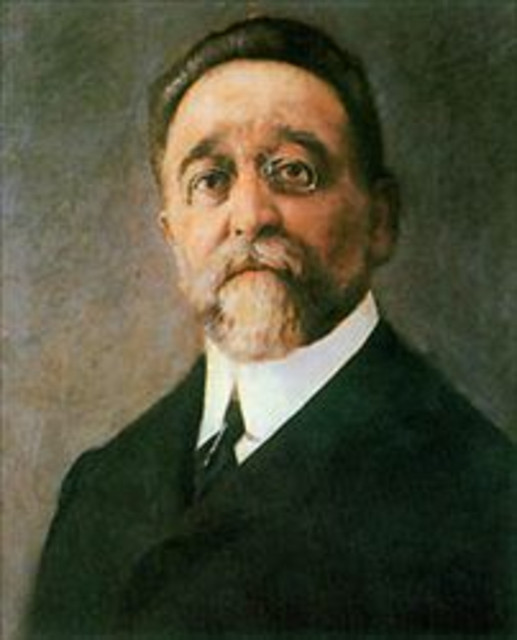
Ruperto Chapí y Lorenta was an important Spanish composer from the late 19th and early 20th centuries. As a musician in his early years, he was associated with band music, but the primary focus of his compositional activity was the zarzuela. He wrote well over 100 zarzuelas but also composed many operas, songs, and instrumental music.
Chapí was born on March 27, 1851, in the small Spanish village of Villena, near Alicante. His father, a barber, was an amateur musician who gave his son his first music lessons. By the time young Ruperto was nine, he was not only an accomplished cornet player, but he had started to arrange music for bands and even composed his own works. At 14, he was conducting a local band; his rare musical gifts allowed him to enter the Madrid Conservatory at the age of 16. There, under the guidance of <a href="spotify:artist:0aafTBEn3l3IqtOJROhfE1">Emilio Arrieta</a> (composition) and Miguel Galiana (harmony), he won first prize in harmony in a competition in 1869.
To support himself in his student years, he played cornet in the Circo de Price theater orchestra. During this period, he composed his first surviving zarzuela, Abel y Caín, which was premiered in 1873. An opera on commission quickly followed, arranged in part by <a href="spotify:artist:0aafTBEn3l3IqtOJROhfE1">Arrieta</a>, Las naves de Cortés (1874). Its success brought Chapí government funding for three years of study abroad (Rome, Milan, Paris) and also prompted him to abandon his post of conductor of a military band, which he had held since 1871.
From 1874 until the end of his career, Chapí focused almost exclusively on composition. He wrote several operas while studying abroad, then returned to Madrid in 1878. His second zarzuela, Música clásica, premiered in 1880 and was followed by a steady string of zarzuelas over the next three decades. They generally achieved success, with a fair number receiving 100 or more performances. In 1889, Chapí, increasingly aware of artists' lack of rights in regard to copyright issues, rebuffed an offer to join the Academia de Bellas Artes because of its insensitivity to artists' rights. Ten years later, he founded the Society of Authors to champion the issue in Spain. In 1905, Chapí's four string quartets appeared, signaling his suddenly more serious approach to composition. In 1909, Chapí became ill while leading a performance of his final opera, Margarita la tornera, and died a short while later. ~ Robert Cummings, Rovi
Chapí was born on March 27, 1851, in the small Spanish village of Villena, near Alicante. His father, a barber, was an amateur musician who gave his son his first music lessons. By the time young Ruperto was nine, he was not only an accomplished cornet player, but he had started to arrange music for bands and even composed his own works. At 14, he was conducting a local band; his rare musical gifts allowed him to enter the Madrid Conservatory at the age of 16. There, under the guidance of <a href="spotify:artist:0aafTBEn3l3IqtOJROhfE1">Emilio Arrieta</a> (composition) and Miguel Galiana (harmony), he won first prize in harmony in a competition in 1869.
To support himself in his student years, he played cornet in the Circo de Price theater orchestra. During this period, he composed his first surviving zarzuela, Abel y Caín, which was premiered in 1873. An opera on commission quickly followed, arranged in part by <a href="spotify:artist:0aafTBEn3l3IqtOJROhfE1">Arrieta</a>, Las naves de Cortés (1874). Its success brought Chapí government funding for three years of study abroad (Rome, Milan, Paris) and also prompted him to abandon his post of conductor of a military band, which he had held since 1871.
From 1874 until the end of his career, Chapí focused almost exclusively on composition. He wrote several operas while studying abroad, then returned to Madrid in 1878. His second zarzuela, Música clásica, premiered in 1880 and was followed by a steady string of zarzuelas over the next three decades. They generally achieved success, with a fair number receiving 100 or more performances. In 1889, Chapí, increasingly aware of artists' lack of rights in regard to copyright issues, rebuffed an offer to join the Academia de Bellas Artes because of its insensitivity to artists' rights. Ten years later, he founded the Society of Authors to champion the issue in Spain. In 1905, Chapí's four string quartets appeared, signaling his suddenly more serious approach to composition. In 1909, Chapí became ill while leading a performance of his final opera, Margarita la tornera, and died a short while later. ~ Robert Cummings, Rovi
Monthly Listeners
8,904
Monthly Listeners History
Track the evolution of monthly listeners over the last 28 days.
Followers
1,274
Followers History
Track the evolution of followers over the last 28 days.
Top Cities
1,046 listeners
407 listeners
368 listeners
186 listeners

185 listeners
Related Artists
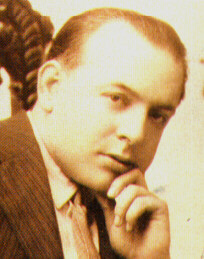

Francisco Asenjo Barbieri
Reveriano Soutullo
Antoni Ros Marbá

Jose Serrano
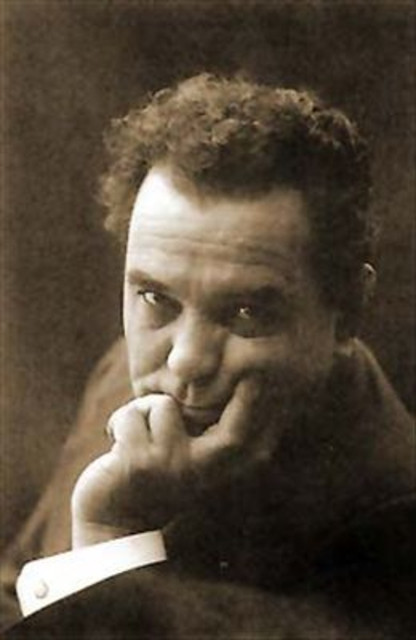
Amadeo Vives
Coros Cantores De Madrid

Renato Cesari
Carlos Munguia

Manuel Fernandez Caballero
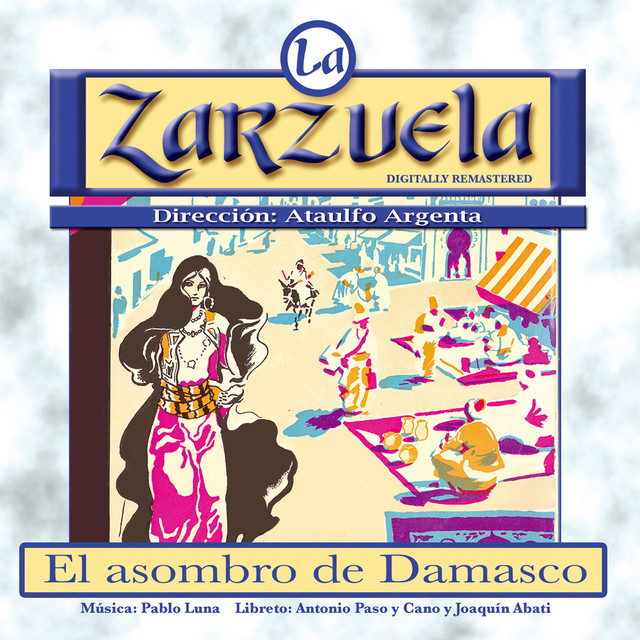
Antonio Paso
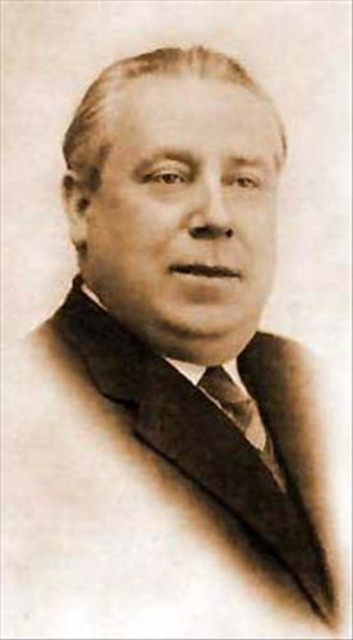
Pablo Luna
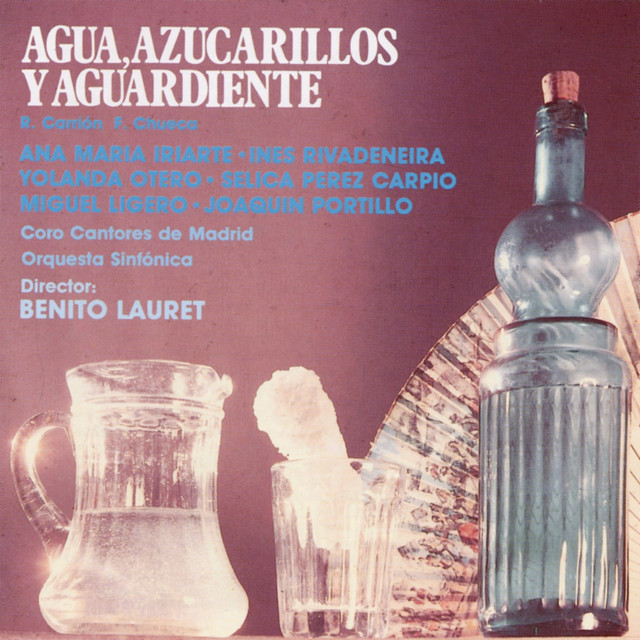
Benito Lauret
Ana Maria Olaria
Orquesta de Conciertos de Madrid
Coro Cantores de Madrid

Tomás Bretón
Gran Orquesta Sinfonica
Orquesta De Camara De Madrid
Juan Vert
Joaquín Valverde
José Perera
Ana Maria Iriarte
Vicente Lleó
Lola Casariego
Guillermo Perrin
Rafael Castejon

Federico Romero

Emilio Arrieta