Genre
supergroup
Top Supergroup Artists
Showing 20 of 20 artists





About Supergroup
A supergroup is a music project formed when artists who are already famous in their own right collaborate under a new collective banner. The idea is to pool distinct voices, styles, and audiences to explore ideas that might not fit in their main bands. Supergroups are often pitched as short-term adventures—one album, a tour, or a series of shows—but some endure longer than originally planned, becoming influential chapters in the members’ careers.
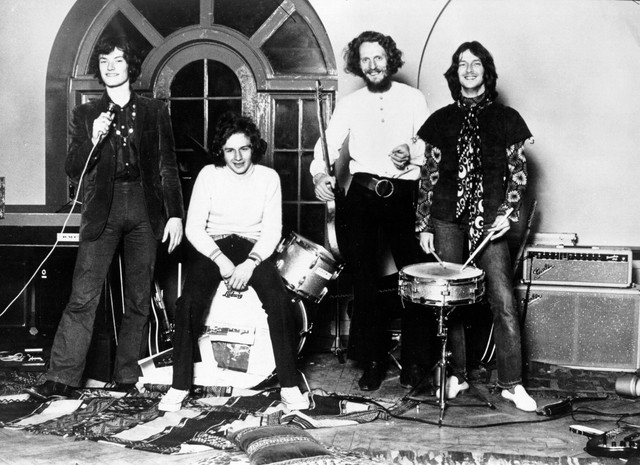
The concept took root in the late 1960s, as rock and pop scenes encouraged high-profile crossovers. Cream is commonly cited as the prototype: Eric Clapton, Ginger Baker, and Jack Bruce combined virtuosity and improvisation in a way no single act could on its own. The era’s press quickly embraced the term “supergroup,” and emblematic ensembles like Blind Faith and Crosby, Stills, Nash & Young followed, amplifying the idea that established stars could unite for something greater than the sum of their parts. The model soon spread beyond rock into folk, country, metal, and pop, becoming a recognizable vehicle for collaborative experimentation.
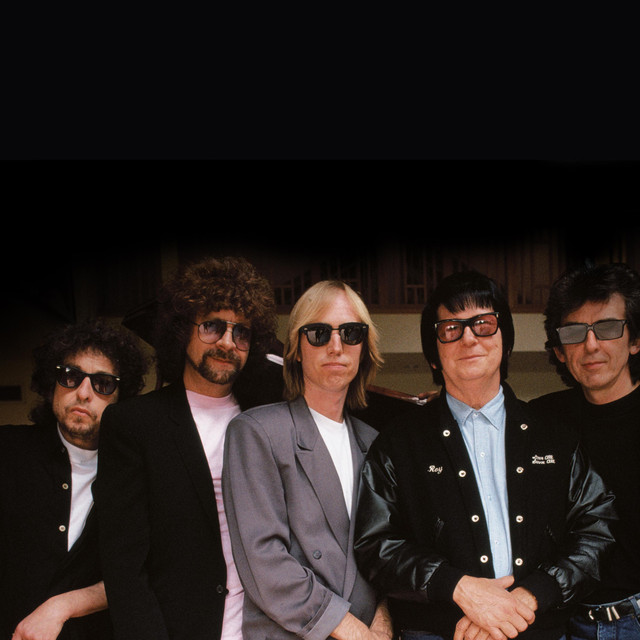
Ambassadors of the genre include a mix of early pioneers and later connoisseurs of the format. Cream’s stamp on the form is undeniable, while Crosby, Stills, Nash & Young popularized the idea of combining familiar voices to create harmonically rich, sometimes politically charged music. Blind Faith crystallized the “one-off” ethos, and The Highwaymen—a country supergroup featuring Johnny Cash, Waylon Jennings, Kris Kristofferson, and Willie Nelson—showed that the format could traverse genres with lasting appeal. In the 1980s and beyond, Asia fused progressive rock and arena rock with members from Yes and King Crimson, achieving mainstream hits like Heat of the Moment. The Traveling Wilburys—Bob Dylan, George Harrison, Tom Petty, Jeff Lynne, and Roy Orbison—became a late-80s blueprint for star-powered, charity-minded collaboration, blending pop accessibility with veteran craftsmanship.
In more recent decades, several high-profile supergroups continued the tradition. Audioslave joined Chris Cornell with members of Rage Against the Machine, delivering a harder-edged, radio-friendly sound. Them Crooked Vultures brought together Josh Homme, Dave Grohl, and John Paul Jones for a heavy, riff-driven project. Chickenfoot blended Sammy Hagar with Joe Satriani, while Black Country Communion paired Joe Bonamassa with Glenn Hughes and Jason Bonham for blues-rock fireworks. The Raconteurs and The Winery Dogs (featuring Portnoy, Sheehan, and Kotzen) kept the format fertile for cross-generational fans. Country-leaning supergroups like The Highwaymen remind us that the idea isn’t confined to rock.
Geographically, the phenomenon thrives where big-name rock, pop, and blues cultures converge. The United States and the United Kingdom have long been hotbeds, with Europe and Japan embracing high-profile collabs as well. The appeal lies in fusion: star-driven energy, the thrill of juxtaposed personalities, and the sense that a record or tour can capture a rare moment when legends listen to and challenge each other.
For listeners, supergroups offer a curated doorway into collaborations you might not expect—sometimes informal but always charged with curiosity. They showcase the adventurous side of fame, where the joy is in the exchange: a shared voice breaking new ground, even if only for a short, shining spell.
The concept took root in the late 1960s, as rock and pop scenes encouraged high-profile crossovers. Cream is commonly cited as the prototype: Eric Clapton, Ginger Baker, and Jack Bruce combined virtuosity and improvisation in a way no single act could on its own. The era’s press quickly embraced the term “supergroup,” and emblematic ensembles like Blind Faith and Crosby, Stills, Nash & Young followed, amplifying the idea that established stars could unite for something greater than the sum of their parts. The model soon spread beyond rock into folk, country, metal, and pop, becoming a recognizable vehicle for collaborative experimentation.
Ambassadors of the genre include a mix of early pioneers and later connoisseurs of the format. Cream’s stamp on the form is undeniable, while Crosby, Stills, Nash & Young popularized the idea of combining familiar voices to create harmonically rich, sometimes politically charged music. Blind Faith crystallized the “one-off” ethos, and The Highwaymen—a country supergroup featuring Johnny Cash, Waylon Jennings, Kris Kristofferson, and Willie Nelson—showed that the format could traverse genres with lasting appeal. In the 1980s and beyond, Asia fused progressive rock and arena rock with members from Yes and King Crimson, achieving mainstream hits like Heat of the Moment. The Traveling Wilburys—Bob Dylan, George Harrison, Tom Petty, Jeff Lynne, and Roy Orbison—became a late-80s blueprint for star-powered, charity-minded collaboration, blending pop accessibility with veteran craftsmanship.
In more recent decades, several high-profile supergroups continued the tradition. Audioslave joined Chris Cornell with members of Rage Against the Machine, delivering a harder-edged, radio-friendly sound. Them Crooked Vultures brought together Josh Homme, Dave Grohl, and John Paul Jones for a heavy, riff-driven project. Chickenfoot blended Sammy Hagar with Joe Satriani, while Black Country Communion paired Joe Bonamassa with Glenn Hughes and Jason Bonham for blues-rock fireworks. The Raconteurs and The Winery Dogs (featuring Portnoy, Sheehan, and Kotzen) kept the format fertile for cross-generational fans. Country-leaning supergroups like The Highwaymen remind us that the idea isn’t confined to rock.
Geographically, the phenomenon thrives where big-name rock, pop, and blues cultures converge. The United States and the United Kingdom have long been hotbeds, with Europe and Japan embracing high-profile collabs as well. The appeal lies in fusion: star-driven energy, the thrill of juxtaposed personalities, and the sense that a record or tour can capture a rare moment when legends listen to and challenge each other.
For listeners, supergroups offer a curated doorway into collaborations you might not expect—sometimes informal but always charged with curiosity. They showcase the adventurous side of fame, where the joy is in the exchange: a shared voice breaking new ground, even if only for a short, shining spell.