Genre
swedish singer-songwriter
Top Swedish singer-songwriter Artists
Showing 22 of 22 artists






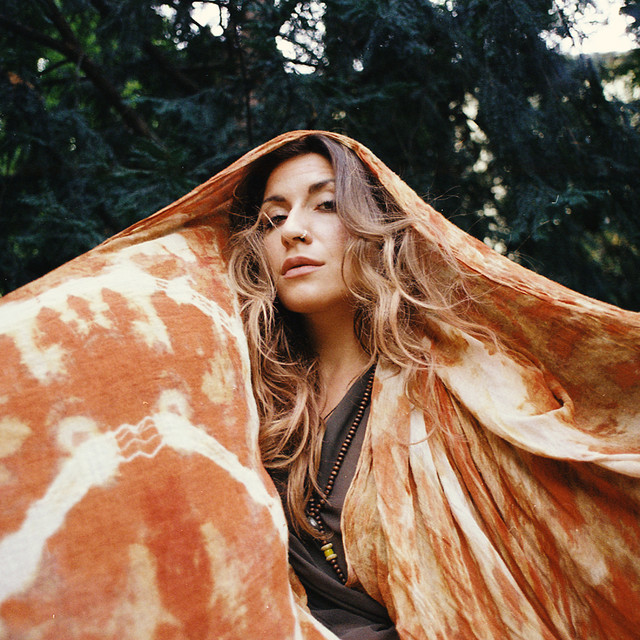


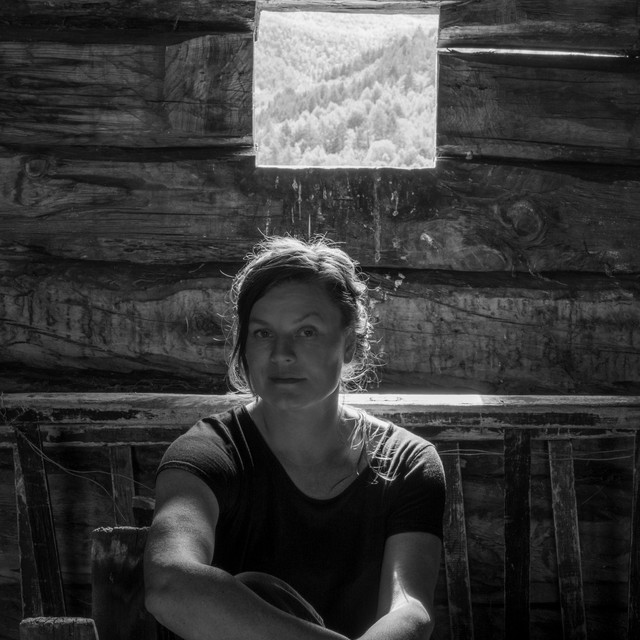


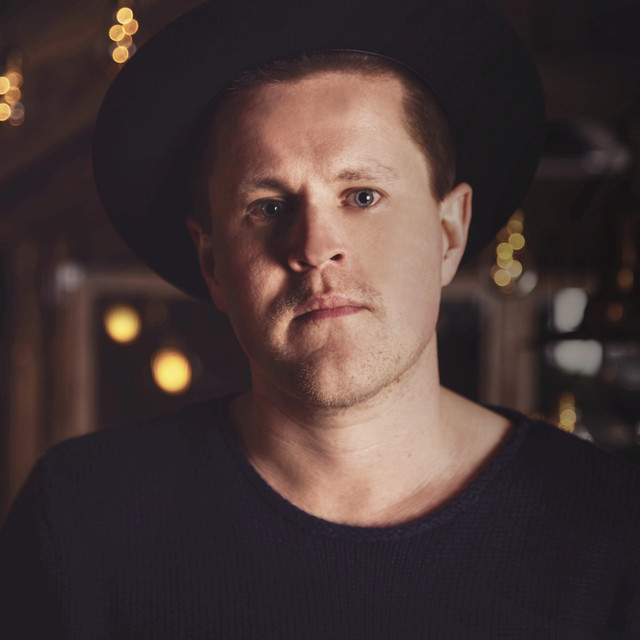


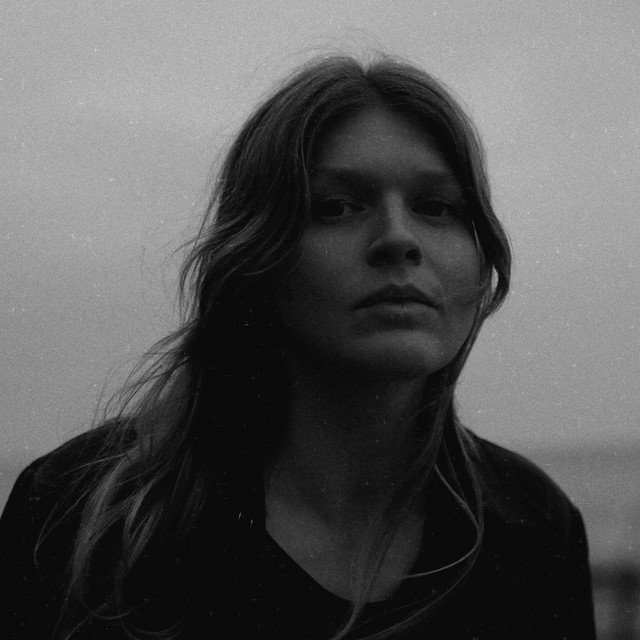
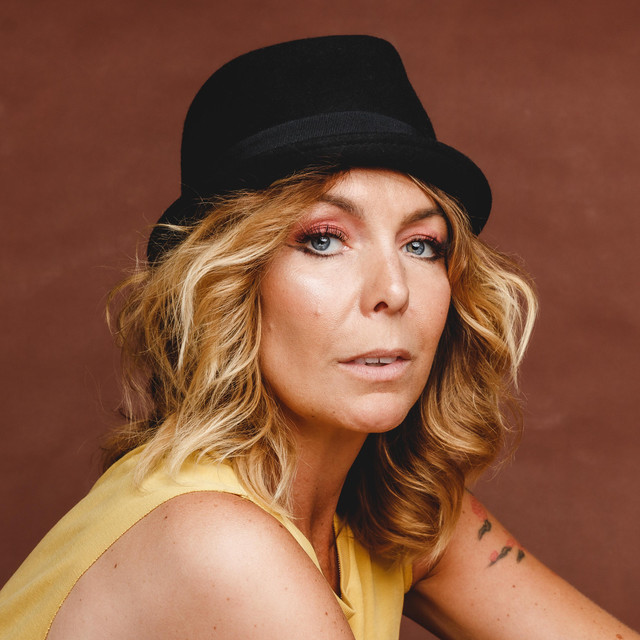
About Swedish singer-songwriter
Swedish singer-songwriter is less a single sound than a loose but recognizable strand of Sweden’s indie-folk and lyric-driven pop. It lives in the quiet rooms where writing, guitar, piano and a patient vocal delivery take center stage, and the words do most of the talking. Across decades, Swedish singer-songwriters have built a reputation for intimate performances, crafted melodies and stories that linger long after the last chord.
Origins and evolution
The field grew out of Sweden’s strong tradition of melodic songwriting and a willingness to treat songs as small, artful statements rather than big, radio-ready productions. Early paths were laid by singular voices such as Stina Nordenstam in the 1990s, whose idiosyncratic, fragile artistry helped widen what “singer-songwriter” could mean in a Scandinavian context. The real international surge, however, arrived in the 2000s with a new wave of self-written, guitar-focused artists who could tour small clubs and still reach global audiences.
Key artists and ambassadors
- José González is perhaps the most influential ambassador of the modern Swedish singer-songwriter abroad. His debut Veneer (2003) fused classical guitar with spare, intimate singing and introspective lyrics, making Swedish singer-songwriting a recognizable, globally viable form.
- Anna Ternheim emerged in the mid-2000s with a hushed, emotionally direct folk-pop voice and albums like Somebody (2004), followed by a string of European releases that reinforced the Nordic singer-songwriter ethos.
- The Tallest Man on Earth, Kristian Matsson, brought a rugged, conversational folk poetry to the world stage with rich fingerpicked guitar and lyric-driven storytelling, earning a devoted international following.
- First Aid Kit, the sister duo Johanna and Klara Söderberg, expanded the scene into a broader, harmonically lush Americana-tinged strand of Swedish folk, celebrated for their resonant vocal harmonies and poignant storytelling.
- Loney, Dear, the project led by Emil Svanängen, offered intimate, orchestral-inflected indie folk, further proving that Swedish singer-songwriters can layer texture without losing the center of gravity in the lyric.
What the sound often sounds like
- Instrumentation centers on acoustic guitar, piano and restrained arrangements that let lyrics and mood breathe.
- Vocals tend to be soft, intimate, and delivered with a sense of storytelling rather than performative power.
- Lyrical content ranges from personal introspection and bittersweet observations to storytelling and social reflection—often in English to reach international audiences, though Swedish-language records also exist and resonate locally.
- The mood can be melancholic, contemplative, or gently uplifting, but always human-scale and emotionally specific.
Where it’s popular
- In Sweden and the broader Nordic region, the genre has a devoted following and strong live culture, with many artists maintaining a presence in clubs, small venues, and festival circuits.
- Europe and North America are the traditional expansion zones for these artists, with the UK, Germany, the Netherlands, Canada and the United States offering receptive audiences through touring, streaming and international press.
- The appeal is linguistic and musical: the authenticity of self-written material, the folk-influenced textures, and the Nordic emotional undercurrent translate well across borders, especially in folk, indie, and singer-songwriter circles.
In short, the Swedish singer-songwriter scene stands for lyric-first music-making done with clarity, restraint, and a distinctly Nordic sensibility. It continues to nurture artists who can speak plainly, sing honestly, and still invite listeners to travel far beyond their own living room.
Origins and evolution
The field grew out of Sweden’s strong tradition of melodic songwriting and a willingness to treat songs as small, artful statements rather than big, radio-ready productions. Early paths were laid by singular voices such as Stina Nordenstam in the 1990s, whose idiosyncratic, fragile artistry helped widen what “singer-songwriter” could mean in a Scandinavian context. The real international surge, however, arrived in the 2000s with a new wave of self-written, guitar-focused artists who could tour small clubs and still reach global audiences.
Key artists and ambassadors
- José González is perhaps the most influential ambassador of the modern Swedish singer-songwriter abroad. His debut Veneer (2003) fused classical guitar with spare, intimate singing and introspective lyrics, making Swedish singer-songwriting a recognizable, globally viable form.
- Anna Ternheim emerged in the mid-2000s with a hushed, emotionally direct folk-pop voice and albums like Somebody (2004), followed by a string of European releases that reinforced the Nordic singer-songwriter ethos.
- The Tallest Man on Earth, Kristian Matsson, brought a rugged, conversational folk poetry to the world stage with rich fingerpicked guitar and lyric-driven storytelling, earning a devoted international following.
- First Aid Kit, the sister duo Johanna and Klara Söderberg, expanded the scene into a broader, harmonically lush Americana-tinged strand of Swedish folk, celebrated for their resonant vocal harmonies and poignant storytelling.
- Loney, Dear, the project led by Emil Svanängen, offered intimate, orchestral-inflected indie folk, further proving that Swedish singer-songwriters can layer texture without losing the center of gravity in the lyric.
What the sound often sounds like
- Instrumentation centers on acoustic guitar, piano and restrained arrangements that let lyrics and mood breathe.
- Vocals tend to be soft, intimate, and delivered with a sense of storytelling rather than performative power.
- Lyrical content ranges from personal introspection and bittersweet observations to storytelling and social reflection—often in English to reach international audiences, though Swedish-language records also exist and resonate locally.
- The mood can be melancholic, contemplative, or gently uplifting, but always human-scale and emotionally specific.
Where it’s popular
- In Sweden and the broader Nordic region, the genre has a devoted following and strong live culture, with many artists maintaining a presence in clubs, small venues, and festival circuits.
- Europe and North America are the traditional expansion zones for these artists, with the UK, Germany, the Netherlands, Canada and the United States offering receptive audiences through touring, streaming and international press.
- The appeal is linguistic and musical: the authenticity of self-written material, the folk-influenced textures, and the Nordic emotional undercurrent translate well across borders, especially in folk, indie, and singer-songwriter circles.
In short, the Swedish singer-songwriter scene stands for lyric-first music-making done with clarity, restraint, and a distinctly Nordic sensibility. It continues to nurture artists who can speak plainly, sing honestly, and still invite listeners to travel far beyond their own living room.