Genre
symfonicky orchestr
Top Symfonicky orchestr Artists
Showing 25 of 31 artists





About Symfonicky orchestr
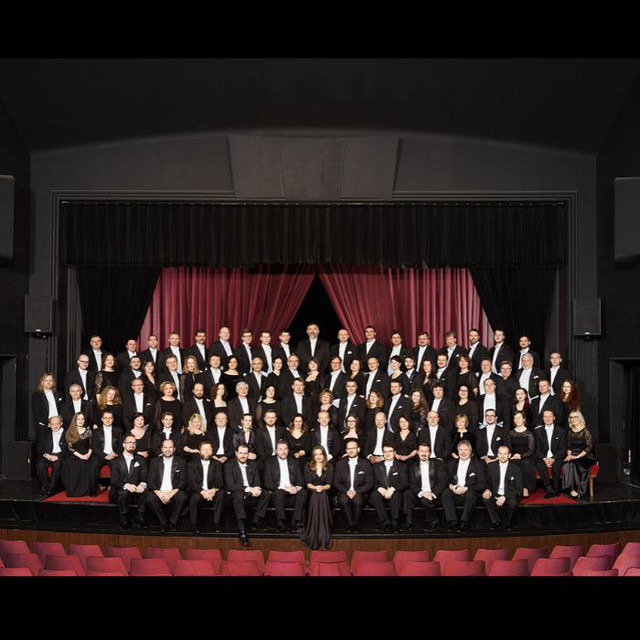
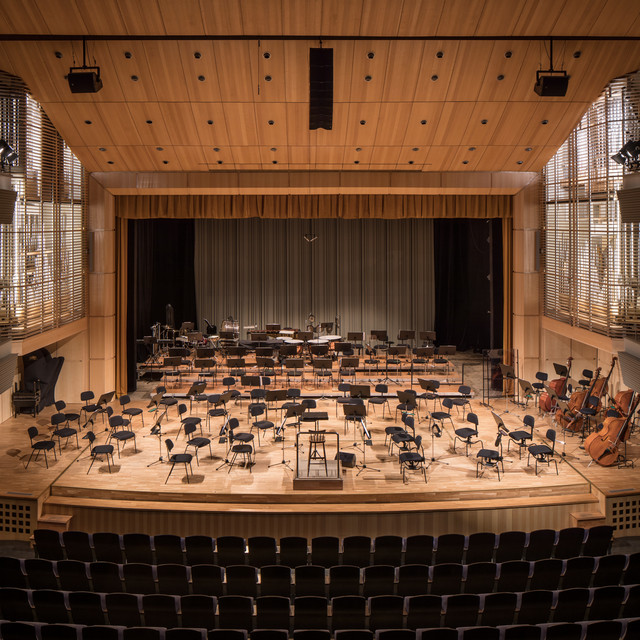
Symfonicky orchestr (symphonic orchestra) is not a single style but the expansive engine behind much of Western classical music. It denotes works written for a large ensemble—typically strings plus woodwinds, brass, percussion, and sometimes keyboards or choirs—designed to explore vast timbral color, complex architecture, and sweeping emotional arcs. For music enthusiasts, the genre offers a lens into how composers shape scale, texture, and narrative over time.
Origins and birth
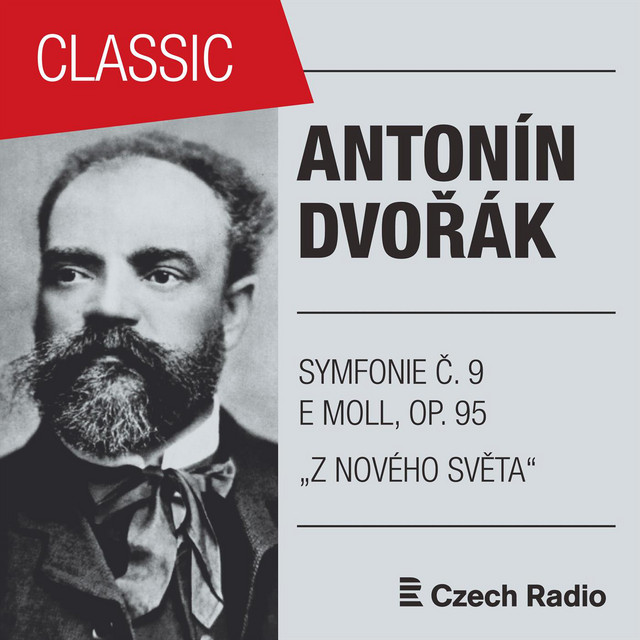
The symphony emerged in the early 18th century as a development of the Italian sinfonia and the orchestral overture used in opera. In Vienna and across Europe, composers like Joseph Haydn and Wolfgang Amadeus Mozart helped codify the form into a multi-movement, often four-piece structure (fast–slow–minuet or scherzo–fast). Haydn’s prolific output in the 1760s–1790s established the framework: clear contrast between movements, thematic development, and the use of a standardized orchestra size that could be scaled. Beethoven pushed the form outward around 1800, enlarging emotional scope and technical demands, making the symphony a vehicle for personal and universal drama. The Romantic era then expanded orchestral color and length, with composers such as Brahms, Tchaikovsky, Dvořák, and later Mahler, weaving philosophical depth and programmatic ideas into towering works.
A continued evolution
The 20th century brought astonishing experimentation within the symphonic idiom. Stravinsky played with rhythm, color, and form, turning large orchestras into instruments of primal energy and precise architecture. Shostakovich and Prokofiev explored personal voice within social contexts, while Holst and Sibelius expanded national languages within the orchestral canvas. The rise of film music in the mid-20th century further popularized the symphonic sound, as composers like John Williams and Hans Zimmer used the orchestra to forge cinematic narratives that could feel both intimate and monumental.
Key artists and ambassadors
Beethoven remains a central touchstone for any symphonic tradition, but the lineage is carried forward by conductors and composers who have made the orchestra speak to contemporary audiences. Herbert von Karajan, Leonard Bernstein, and Zubin Mehta guided audiences through dense symphonic repertoires with charismatic leadership. In recent decades, Gustavo Dudamel, Sir Simon Rattle, and Marin Alsop have acted as ambassadors, expanding the reach of the symphonic repertoire to new generations and diverse communities. Repertoire-wise, the great symphonies of Mahler, Tchaikovsky, Dvořák, and Sibelius continue to anchor the canon, while contemporary composers keep expanding timbral possibilities and strategic form.
Where it thrives
Symphonický orchestras enjoy strong traditions in Europe—Germany, Austria, Russia, the Czech Republic, and the Nordic countries—where concert life, orchestral academies, and festivals cultivate deep listening. In the United States, a dense network of orchestras (from the New York Philharmonic to regional ensembles) sustains a thriving ecosystem for exploration and education. Japan, South Korea, and other parts of Asia have vibrant orchestral scenes and enthusiastic audiences. Across the globe, the genre remains a dynamic, living tradition—an ongoing conversation about scale, empathy, and the power of organized sound to illuminate the human experience.
Origins and birth
The symphony emerged in the early 18th century as a development of the Italian sinfonia and the orchestral overture used in opera. In Vienna and across Europe, composers like Joseph Haydn and Wolfgang Amadeus Mozart helped codify the form into a multi-movement, often four-piece structure (fast–slow–minuet or scherzo–fast). Haydn’s prolific output in the 1760s–1790s established the framework: clear contrast between movements, thematic development, and the use of a standardized orchestra size that could be scaled. Beethoven pushed the form outward around 1800, enlarging emotional scope and technical demands, making the symphony a vehicle for personal and universal drama. The Romantic era then expanded orchestral color and length, with composers such as Brahms, Tchaikovsky, Dvořák, and later Mahler, weaving philosophical depth and programmatic ideas into towering works.
A continued evolution
The 20th century brought astonishing experimentation within the symphonic idiom. Stravinsky played with rhythm, color, and form, turning large orchestras into instruments of primal energy and precise architecture. Shostakovich and Prokofiev explored personal voice within social contexts, while Holst and Sibelius expanded national languages within the orchestral canvas. The rise of film music in the mid-20th century further popularized the symphonic sound, as composers like John Williams and Hans Zimmer used the orchestra to forge cinematic narratives that could feel both intimate and monumental.
Key artists and ambassadors
Beethoven remains a central touchstone for any symphonic tradition, but the lineage is carried forward by conductors and composers who have made the orchestra speak to contemporary audiences. Herbert von Karajan, Leonard Bernstein, and Zubin Mehta guided audiences through dense symphonic repertoires with charismatic leadership. In recent decades, Gustavo Dudamel, Sir Simon Rattle, and Marin Alsop have acted as ambassadors, expanding the reach of the symphonic repertoire to new generations and diverse communities. Repertoire-wise, the great symphonies of Mahler, Tchaikovsky, Dvořák, and Sibelius continue to anchor the canon, while contemporary composers keep expanding timbral possibilities and strategic form.
Where it thrives
Symphonický orchestras enjoy strong traditions in Europe—Germany, Austria, Russia, the Czech Republic, and the Nordic countries—where concert life, orchestral academies, and festivals cultivate deep listening. In the United States, a dense network of orchestras (from the New York Philharmonic to regional ensembles) sustains a thriving ecosystem for exploration and education. Japan, South Korea, and other parts of Asia have vibrant orchestral scenes and enthusiastic audiences. Across the globe, the genre remains a dynamic, living tradition—an ongoing conversation about scale, empathy, and the power of organized sound to illuminate the human experience.