Genre
texas country
Top Texas country Artists
Showing 25 of 860 artists



About Texas country
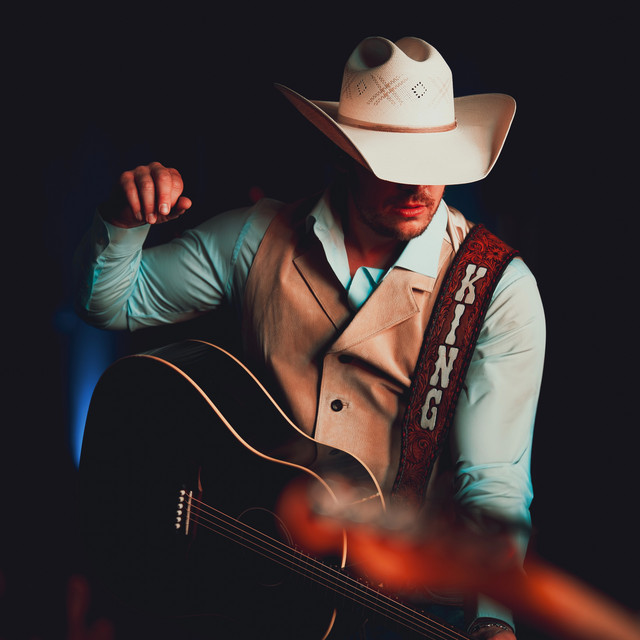
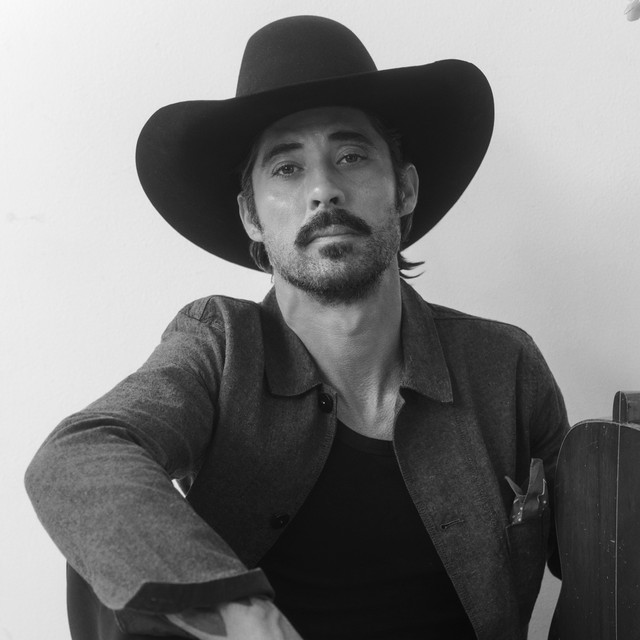
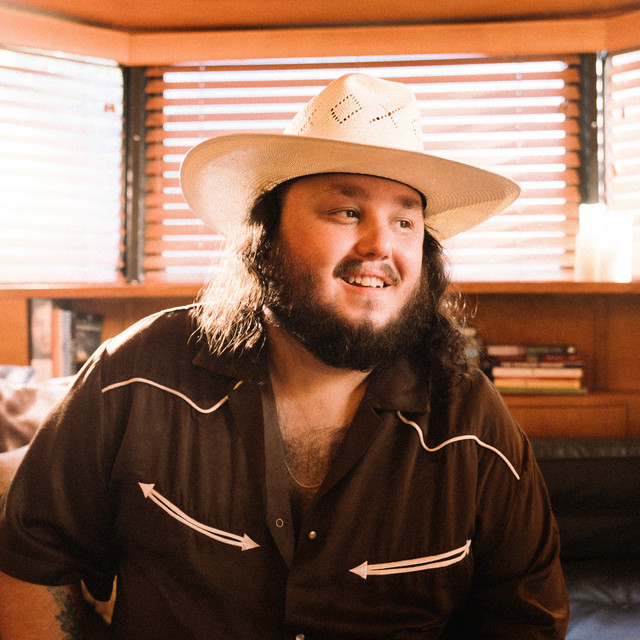
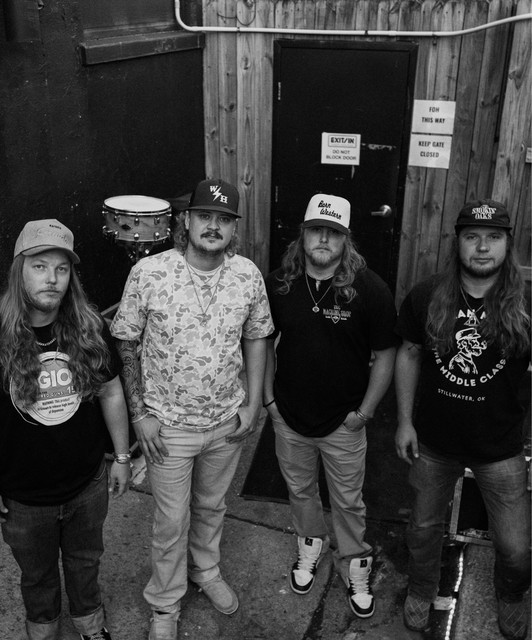
Texas country is a roots-forward branch of American country music that grew up in Texas’ honky-tonks, laundromat jukeboxes, and highway-side bars. It blends traditional country storytelling with rock-inflected energy, bluesy grit, and a loosened, more improvised feel. The result is music that sounds unmistakably Texan: spacious, barroom honest, and built for long drives and late nights.
Origins and birth of the sound
Texas country did not appear overnight. It emerged from the broader “progressive country” and outlaw movements of the late 1960s and 1970s, when Texas legends like Willie Nelson, Waylon Jennings, Jerry Jeff Walker, Billy Joe Shaver, and Townes Van Zandt pushed back against Nashville polish and embraced songwriter-centric, self-directed work. Austin’s scene—home to independent venues, open-air stages, and a culture of artistic self-reliance—became a proving ground where songs about love, loss, small towns, and life on the road could be sung with grit and candor. By the late 1980s and early 1990s, a distinct Texas sound had crystallized: sturdy guitar work, straightforward melodies, and lyrics that spoke in plain, unglamorous detail about real-life experiences.
Ambassadors and key figures
The first wave of Texas country ambassadors built the bridge to today’s scene. Willie Nelson and the outlaw-era spirit loomed large, but the Texas identity hardened around a new generation. Pat Green is often cited as one of the genre’s defining faces, helping to push Texas country toward a wider, radio-friendly audience in the late 1990s and early 2000s. Other pivotal voices from that era and beyond include Cory Morrow, Wade Bowen, and the Randy Rogers Band, who carried the tradition into clubs, arenas, and festival stages across Texas and beyond. Onstage storytelling was sharpened by Cody Johnson, Aaron Watson, Kevin Fowler, Bart Crow, and many others who kept the emphasis on authentic, everyday themes—small-town life, the road, heartbreak, family, and faith—without retreating into glossy gloss.
Sound, themes, and audience
Texas country remains deeply rooted in the acoustic and electric guitar-driven core of traditional country, but it invites rock-like energy, bluesy phrasing, and folk-influenced storytelling. The instrumentation often features sturdy rhythm guitars, steel or Telecaster tones, punchy drums, and occasional fiddle, giving it a flexible, roadhouse-ready sonic palette. Lyrically, it tends toward down-to-earth narratives—barroom conversations, the endurance of friendship, life’s rough edges, and the open road—that resonate with travelers, ranchers, and fans who value sincerity over ornamentation.
Where it’s popular
The genre is by far strongest in Texas and the American Southwest, where regional radio, live venues, and festival circuits keep the scene vibrant. It also has a loyal national following, growing through streaming, social media, and touring acts that cross state lines. While it remains more of a regional movement than a single nationwide style, its influence has permeated contemporary country storytelling, contributing a distinctly Texan voice to the broader American country landscape.
In sum, Texas country is characterized by a practical, heartfelt approach to song—rooted in Texas history, shaped by outlaw and progressive-country ideas, and carried forward by a roster of artists who treat the road and the small moments of life as compelling, universal themes. It’s a music of place, perseverance, and plainspoken honesty.
Origins and birth of the sound
Texas country did not appear overnight. It emerged from the broader “progressive country” and outlaw movements of the late 1960s and 1970s, when Texas legends like Willie Nelson, Waylon Jennings, Jerry Jeff Walker, Billy Joe Shaver, and Townes Van Zandt pushed back against Nashville polish and embraced songwriter-centric, self-directed work. Austin’s scene—home to independent venues, open-air stages, and a culture of artistic self-reliance—became a proving ground where songs about love, loss, small towns, and life on the road could be sung with grit and candor. By the late 1980s and early 1990s, a distinct Texas sound had crystallized: sturdy guitar work, straightforward melodies, and lyrics that spoke in plain, unglamorous detail about real-life experiences.
Ambassadors and key figures
The first wave of Texas country ambassadors built the bridge to today’s scene. Willie Nelson and the outlaw-era spirit loomed large, but the Texas identity hardened around a new generation. Pat Green is often cited as one of the genre’s defining faces, helping to push Texas country toward a wider, radio-friendly audience in the late 1990s and early 2000s. Other pivotal voices from that era and beyond include Cory Morrow, Wade Bowen, and the Randy Rogers Band, who carried the tradition into clubs, arenas, and festival stages across Texas and beyond. Onstage storytelling was sharpened by Cody Johnson, Aaron Watson, Kevin Fowler, Bart Crow, and many others who kept the emphasis on authentic, everyday themes—small-town life, the road, heartbreak, family, and faith—without retreating into glossy gloss.
Sound, themes, and audience
Texas country remains deeply rooted in the acoustic and electric guitar-driven core of traditional country, but it invites rock-like energy, bluesy phrasing, and folk-influenced storytelling. The instrumentation often features sturdy rhythm guitars, steel or Telecaster tones, punchy drums, and occasional fiddle, giving it a flexible, roadhouse-ready sonic palette. Lyrically, it tends toward down-to-earth narratives—barroom conversations, the endurance of friendship, life’s rough edges, and the open road—that resonate with travelers, ranchers, and fans who value sincerity over ornamentation.
Where it’s popular
The genre is by far strongest in Texas and the American Southwest, where regional radio, live venues, and festival circuits keep the scene vibrant. It also has a loyal national following, growing through streaming, social media, and touring acts that cross state lines. While it remains more of a regional movement than a single nationwide style, its influence has permeated contemporary country storytelling, contributing a distinctly Texan voice to the broader American country landscape.
In sum, Texas country is characterized by a practical, heartfelt approach to song—rooted in Texas history, shaped by outlaw and progressive-country ideas, and carried forward by a roster of artists who treat the road and the small moments of life as compelling, universal themes. It’s a music of place, perseverance, and plainspoken honesty.