Genre
theremin
Top Theremin Artists
Showing 16 of 16 artists







About Theremin
Theremin music isn’t exactly a genre in the strict sense, but a sonic field created around one instrument that helped launch electronic sound into popular imagination. It is defined by a singing, hovering timbre that seems to emerge from another dimension, and by playing that sound without ever touching the instrument. The result is a voice that can glide from whisper to scream with astonishing expressiveness, a quality that has kept the theremin at the core of avant‑garde, film music, and experimental electronic practice for almost a century.
Origins and how it works
The theremin was born in the early 1920s, the brainchild of Russian inventor Lev Sergeyevich Termen, better known as Leon Theremin. Developed in the Soviet Union, the instrument was quickly demonstrated across Europe and, after Termen’s move to the United States in the late 1920s, began to influence Western electronic music. The device is played without physical contact: the performer’s hands move in the space around two metal antennas—one for pitch and one for volume. The pitch antenna governs the oscillators’ frequency, producing a continuous, portamento-rich line as the hand slides closer or farther away. The volume antenna controls amplitude, letting the performer sculpt dynamics with exquisite precision. The electronics work by heterodyning two oscillators; the resulting audible frequency is highly sensitive to distance, yielding that unmistakable spectral glide that defines theremin timbre.
Cultural footprint and ambassadors
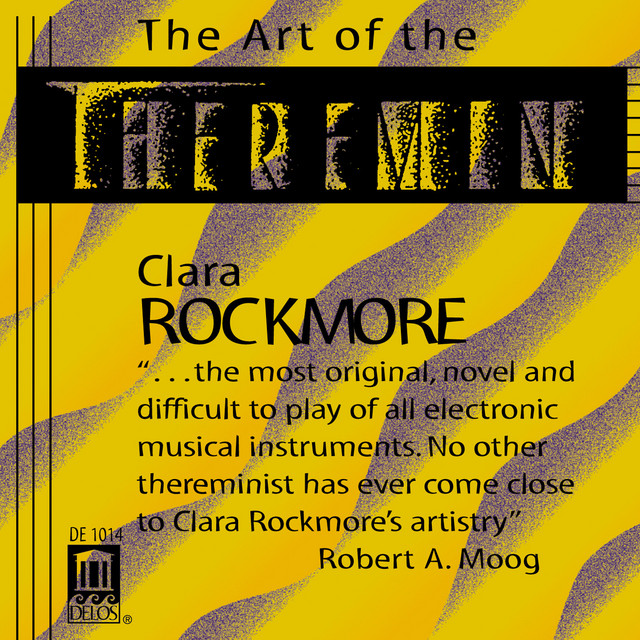
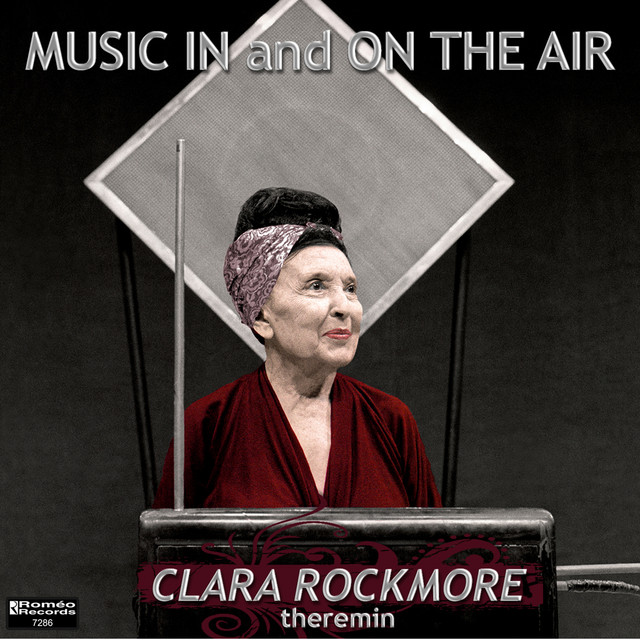
From the start, the theremin found a place in the soundtracks and exploration of electronic music. It became a leitmotif of mid‑century science fiction, where its eerie, otherworldly calls could conjure alien intelligence or dream states. In cinema and television, the instrument helped shape mood in moments of mystery and suspense—its presence in classic scores remains a touchstone of the era. Notable performers helped legitimize the instrument as a concert‑worthy voice. Clara Rockmore, one of the century’s great theremin virtuosos, refined technique and phrasing, turning the theremin into a true concert instrument. In more recent times, Lydia Kavina (Leon Theremin’s granddaughter) has been instrumental in reviving interest, pedagogy, and new repertoire, bridging early pioneering work with contemporary electronic music. The instrument’s lineage—courtesy of Termen’s invention and Rockmore’s artistry—continues to inspire a global community of players, builders, and composers.
Sound, technique, and genre associations
Theremin music spans a wide range of atmospheres: from glassy, singing lines and haunting glissandi to eerie, sci‑fi textures used in sound design. Its timbre can cut through a mix with crystalline purity or soften into a misty pad when extended into ambient and experimental territories. The playing technique emphasizes control of space and motion—tiny hand shifts yield large pitch changes; vibrato and microtonal glides become expressive devices. Because the instrument responds to proximity and not directly to pressure or pedals, it invites a performer’s full spatial awareness and a-priori listening to the room’s acoustics.
Geography of popularity
Historically, the theremin has enjoyed strongest resonance in Russia, the United States, and parts of Western Europe, where early electronic studios, composers, and virtuosos coalesced. Today, it remains a niche but vibrant thread in global experimental scenes, with enthusiasts and performers in many countries who push its limits in concert halls, clubs, and studios.
Why enthusiasts care
For fans of sound design, history, and the chemistry of technology and art, theremin music offers a direct line to the birth of electronic sound and a unique, emotionally candid voice that can haunt, inspire, and astonish. It is less about a genre’s stylistic box and more about a timeless, human performance of the machine’s theatric, lyrical voice.
Origins and how it works
The theremin was born in the early 1920s, the brainchild of Russian inventor Lev Sergeyevich Termen, better known as Leon Theremin. Developed in the Soviet Union, the instrument was quickly demonstrated across Europe and, after Termen’s move to the United States in the late 1920s, began to influence Western electronic music. The device is played without physical contact: the performer’s hands move in the space around two metal antennas—one for pitch and one for volume. The pitch antenna governs the oscillators’ frequency, producing a continuous, portamento-rich line as the hand slides closer or farther away. The volume antenna controls amplitude, letting the performer sculpt dynamics with exquisite precision. The electronics work by heterodyning two oscillators; the resulting audible frequency is highly sensitive to distance, yielding that unmistakable spectral glide that defines theremin timbre.
Cultural footprint and ambassadors
From the start, the theremin found a place in the soundtracks and exploration of electronic music. It became a leitmotif of mid‑century science fiction, where its eerie, otherworldly calls could conjure alien intelligence or dream states. In cinema and television, the instrument helped shape mood in moments of mystery and suspense—its presence in classic scores remains a touchstone of the era. Notable performers helped legitimize the instrument as a concert‑worthy voice. Clara Rockmore, one of the century’s great theremin virtuosos, refined technique and phrasing, turning the theremin into a true concert instrument. In more recent times, Lydia Kavina (Leon Theremin’s granddaughter) has been instrumental in reviving interest, pedagogy, and new repertoire, bridging early pioneering work with contemporary electronic music. The instrument’s lineage—courtesy of Termen’s invention and Rockmore’s artistry—continues to inspire a global community of players, builders, and composers.
Sound, technique, and genre associations
Theremin music spans a wide range of atmospheres: from glassy, singing lines and haunting glissandi to eerie, sci‑fi textures used in sound design. Its timbre can cut through a mix with crystalline purity or soften into a misty pad when extended into ambient and experimental territories. The playing technique emphasizes control of space and motion—tiny hand shifts yield large pitch changes; vibrato and microtonal glides become expressive devices. Because the instrument responds to proximity and not directly to pressure or pedals, it invites a performer’s full spatial awareness and a-priori listening to the room’s acoustics.
Geography of popularity
Historically, the theremin has enjoyed strongest resonance in Russia, the United States, and parts of Western Europe, where early electronic studios, composers, and virtuosos coalesced. Today, it remains a niche but vibrant thread in global experimental scenes, with enthusiasts and performers in many countries who push its limits in concert halls, clubs, and studios.
Why enthusiasts care
For fans of sound design, history, and the chemistry of technology and art, theremin music offers a direct line to the birth of electronic sound and a unique, emotionally candid voice that can haunt, inspire, and astonish. It is less about a genre’s stylistic box and more about a timeless, human performance of the machine’s theatric, lyrical voice.