Genre
traditional music
Top Traditional music Artists
Showing 25 of 4,438 artists




13
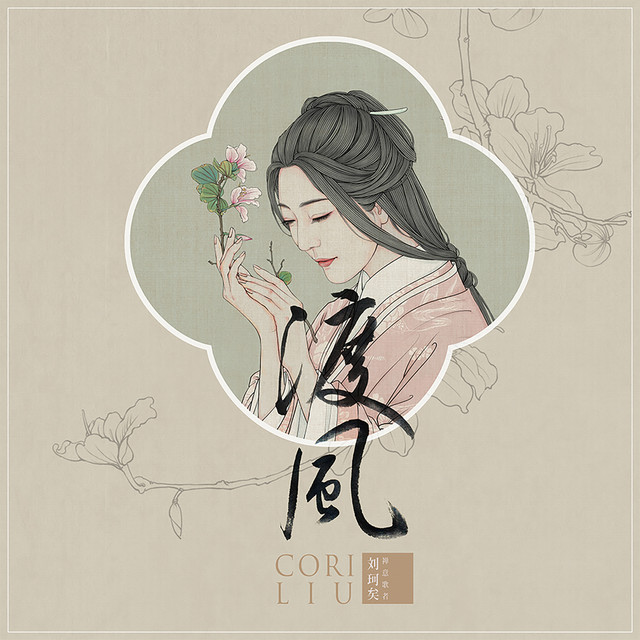
刘珂矣
7,467
148,504 listeners


About Traditional music
Traditional music is a living sound-world carried in the everyday lives of communities. It is music learned by ear, handed down from elders to learners, and tied to specific rituals, dances, seasons, and work tasks. Unlike music written in a fixed score for a single artist, traditional music thrives on participation: you sing along, you clap, you improvise within a shared repertoire. The range of forms is broad—ballads, dance tunes, lullabies, ceremonial pieces—and the sense of place and memory is central: tunes carry local histories, landscapes, and social identities.
Origins are not a single birth date but a global, ongoing process. From the earliest days of human sound making, people created tunes inside their communities and passed them along across generations. In Europe, traditional song and instrumental styles crystallized through medieval and post-medieval life, migrations, and vernacular languages; in Africa, Asia, the Americas, and the Pacific, similar processes produced distinct sound worlds. The word “traditional” gained cultural-historical purchase in the 19th and 20th centuries as ethnographers, collectors, and revivalists sought to preserve music that modernization threatened to erase. Today, “traditional music” signals living, community-rooted practice rather than antique artifacts.
Musical practice in traditional genres emphasizes communal performance. A typical setting might be a ceilidh, a wedding, a harvest festival, a fishing village gathering, or a neighborhood square where dancing, storytelling, and music mingle. Instruments are often locally sourced and regionally distinctive: fiddle or violin, bagpipes, bouzouki, gaita, flutes, drums, didgeridoo, kora, sitar, and countless plucked lutes and percussion families appear wherever a community’s voice and craft meet. Many tunes rely on modal scales or pentatonic melodies and feature drones, repetitive dance rhythms, or call-and-response phrases. Repertoire evolves gradually—new tunes acquire a traditional life as they spread by listening and imitation—and remains deeply tied to the social moment, whether a festival, a rite of passage, or seasonal ceremony. Modern players frequently honor roots while incorporating contemporary sensibilities, ensuring the tradition stays vital rather than fossilized.
Ambassadors of traditional music span the globe and history. In Ireland, prolific ensembles like The Chieftains helped popularize a wide spectrum of Irish traditional repertoire worldwide and inspired generations of players. Other Irish and Celtic groups, such as Planxty, Altan, and De Dannan, expanded the idiom with virtuosity and collaborative energy. Scotland has its own radiant tradition through artists and groups who keep Gaelic songs and pipe tunes in circulation. West Africa preserves the griot tradition as an oral historian and singer’s craft, with kora masters like Toumani Diabaté carrying the sound into new contexts. In South Asia, musicians rooted in Hindustani and Carnatic traditions illuminate long-standing classical and folk practices, while global figures such as Ravi Shankar helped bring those sounds to international stages. Across the Americas, Appalachian, Cajun, Quebecois, and other regional traditions continue to thrive in festivals and schools, passing on ballads, fiddle tunes, and dance music to new generations.
Traditional music is especially vibrant in Ireland, Scotland, Brittany, Galicia, Quebec, and parts of the United States and Africa, but its appeal is truly global. It remains a dynamic, inclusive language—inviting listening, participation, and reinvention while anchoring communities to their histories and landscapes.
Origins are not a single birth date but a global, ongoing process. From the earliest days of human sound making, people created tunes inside their communities and passed them along across generations. In Europe, traditional song and instrumental styles crystallized through medieval and post-medieval life, migrations, and vernacular languages; in Africa, Asia, the Americas, and the Pacific, similar processes produced distinct sound worlds. The word “traditional” gained cultural-historical purchase in the 19th and 20th centuries as ethnographers, collectors, and revivalists sought to preserve music that modernization threatened to erase. Today, “traditional music” signals living, community-rooted practice rather than antique artifacts.
Musical practice in traditional genres emphasizes communal performance. A typical setting might be a ceilidh, a wedding, a harvest festival, a fishing village gathering, or a neighborhood square where dancing, storytelling, and music mingle. Instruments are often locally sourced and regionally distinctive: fiddle or violin, bagpipes, bouzouki, gaita, flutes, drums, didgeridoo, kora, sitar, and countless plucked lutes and percussion families appear wherever a community’s voice and craft meet. Many tunes rely on modal scales or pentatonic melodies and feature drones, repetitive dance rhythms, or call-and-response phrases. Repertoire evolves gradually—new tunes acquire a traditional life as they spread by listening and imitation—and remains deeply tied to the social moment, whether a festival, a rite of passage, or seasonal ceremony. Modern players frequently honor roots while incorporating contemporary sensibilities, ensuring the tradition stays vital rather than fossilized.
Ambassadors of traditional music span the globe and history. In Ireland, prolific ensembles like The Chieftains helped popularize a wide spectrum of Irish traditional repertoire worldwide and inspired generations of players. Other Irish and Celtic groups, such as Planxty, Altan, and De Dannan, expanded the idiom with virtuosity and collaborative energy. Scotland has its own radiant tradition through artists and groups who keep Gaelic songs and pipe tunes in circulation. West Africa preserves the griot tradition as an oral historian and singer’s craft, with kora masters like Toumani Diabaté carrying the sound into new contexts. In South Asia, musicians rooted in Hindustani and Carnatic traditions illuminate long-standing classical and folk practices, while global figures such as Ravi Shankar helped bring those sounds to international stages. Across the Americas, Appalachian, Cajun, Quebecois, and other regional traditions continue to thrive in festivals and schools, passing on ballads, fiddle tunes, and dance music to new generations.
Traditional music is especially vibrant in Ireland, Scotland, Brittany, Galicia, Quebec, and parts of the United States and Africa, but its appeal is truly global. It remains a dynamic, inclusive language—inviting listening, participation, and reinvention while anchoring communities to their histories and landscapes.