Genre
trip hop
Top Trip hop Artists
Showing 25 of 2,859 artists
About Trip hop
Trip hop is a mood-driven, horizon-stretching branch of electronic music that emerged in the early 1990s from Bristol, England. It blends hip hop’s rhythmic logic with the texture and atmosphere of downtempo, jazz, soul, and ambient electronics. The result is often cinematic, melancholic, and cinematic in scope—beats that creep rather than punch, samples that breathe, voices that drift or bite. It’s as much about the journey through a foggy sonic landscape as it is about the rhyme or the bassline.
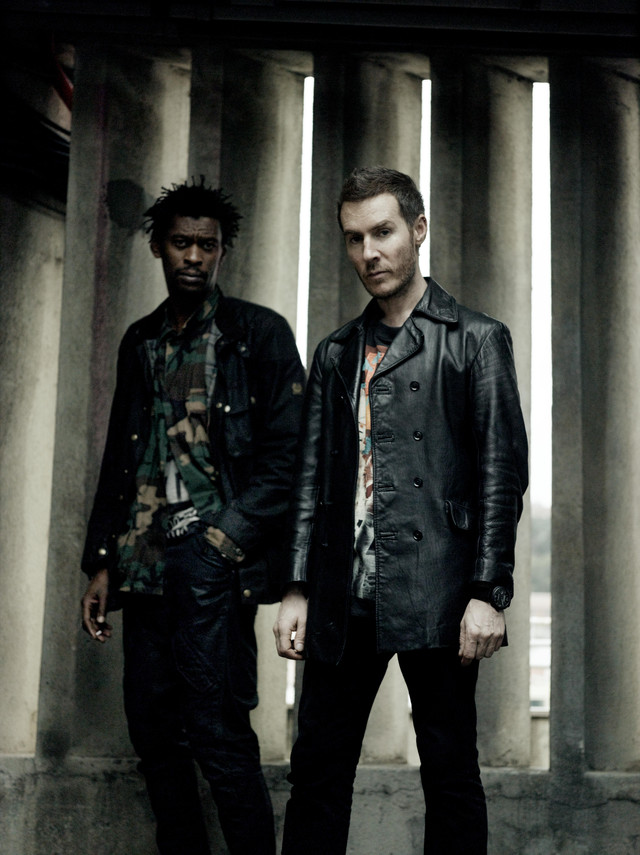
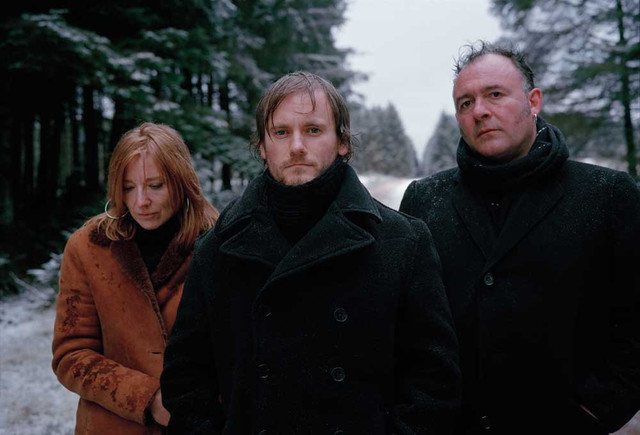
The Bristol scene gave trip hop its foundational identity. In the span of a few years, artists transformed the city’s nightlife into a laboratory where hip hop breaks, dub echoes, and lush string arrangements could coexist. Massive Attack helped define the sound with Blue Lines (1991) and later Mezzanine (1998), pairing smoky vocals with jagged bass and horn textures. Portishead’s Dummy (1994) offered noir-tinged storytelling, trip-hop’s most accessible heartbreak album, anchored by Beth Gibbons’s fragile, piercing vocal. Tricky, a Bristol native steeped in personal upheaval, pushed the form toward darker, more confrontational corners on Maxinquaye (1995). Between these poles, the scene grew to include artists like Morcheeba, Sneaker Pimps, Lamb, and a web of producers who turned sampling into a fashion and a philosophy.
Key features define the sound: slow-to-mid tempo grooves (often 70–100 BPM), looping or chopped samples, and a heavy emphasis on atmosphere. The textures can be smoky and intimate or expansive and cinematic. Vocals range from sultry and soulful to hushed and brittle, while production leans on vinyl crackle, reverb-drenched guitars piano lines, trumpets, and eerie, dream-like pads. The genre thrives on tension—between lullaby calm and unsettling aggression, between something that feels homemade and something that sounds gilded. It’s music that rewards attentive listening, inviting you to hear the spaces between the notes as much as the notes themselves.
Ambassadors and touchstones include:
- Massive Attack — Blue Lines (1991), Unfinished Sympathy
- Portishead — Dummy (1994), Sour Times, Glory Box
- Tricky — Maxinquaye (1995), Hell Is Around the Corner
- Morcheeba — Who Can You Trust? (1998)
- Sneaker Pimps — Becoming X (1996)
- Lamb — Lamb (1996)
- Air — Moon Safari (1998) (France), a parallel thread of downtempo that often overlaps with trip-hop sensibilities
Geographically, trip hop found its strongest footing in the United Kingdom and continental Europe, with a particularly devoted audience in France and Germany. It also built a loyal following in the United States through college radio, indie and electronic scenes, and later streaming culture, while Japan and other markets maintained enthusiastic appreciators of its mood-driven approach.
Today, trip hop stands as a bridge between past hip-hop roots and modern electronic explorations. Its influence can be heard in contemporary downtempo, cinematic electronic, and atmospheric hip hop, where producers chase the same sense of weightless melancholy and hypnotic groove that defined the Bristol sound. If you’re after music that feels like a late-night train ride through a neon district, trip hop is your route map.
The Bristol scene gave trip hop its foundational identity. In the span of a few years, artists transformed the city’s nightlife into a laboratory where hip hop breaks, dub echoes, and lush string arrangements could coexist. Massive Attack helped define the sound with Blue Lines (1991) and later Mezzanine (1998), pairing smoky vocals with jagged bass and horn textures. Portishead’s Dummy (1994) offered noir-tinged storytelling, trip-hop’s most accessible heartbreak album, anchored by Beth Gibbons’s fragile, piercing vocal. Tricky, a Bristol native steeped in personal upheaval, pushed the form toward darker, more confrontational corners on Maxinquaye (1995). Between these poles, the scene grew to include artists like Morcheeba, Sneaker Pimps, Lamb, and a web of producers who turned sampling into a fashion and a philosophy.
Key features define the sound: slow-to-mid tempo grooves (often 70–100 BPM), looping or chopped samples, and a heavy emphasis on atmosphere. The textures can be smoky and intimate or expansive and cinematic. Vocals range from sultry and soulful to hushed and brittle, while production leans on vinyl crackle, reverb-drenched guitars piano lines, trumpets, and eerie, dream-like pads. The genre thrives on tension—between lullaby calm and unsettling aggression, between something that feels homemade and something that sounds gilded. It’s music that rewards attentive listening, inviting you to hear the spaces between the notes as much as the notes themselves.
Ambassadors and touchstones include:
- Massive Attack — Blue Lines (1991), Unfinished Sympathy
- Portishead — Dummy (1994), Sour Times, Glory Box
- Tricky — Maxinquaye (1995), Hell Is Around the Corner
- Morcheeba — Who Can You Trust? (1998)
- Sneaker Pimps — Becoming X (1996)
- Lamb — Lamb (1996)
- Air — Moon Safari (1998) (France), a parallel thread of downtempo that often overlaps with trip-hop sensibilities
Geographically, trip hop found its strongest footing in the United Kingdom and continental Europe, with a particularly devoted audience in France and Germany. It also built a loyal following in the United States through college radio, indie and electronic scenes, and later streaming culture, while Japan and other markets maintained enthusiastic appreciators of its mood-driven approach.
Today, trip hop stands as a bridge between past hip-hop roots and modern electronic explorations. Its influence can be heard in contemporary downtempo, cinematic electronic, and atmospheric hip hop, where producers chase the same sense of weightless melancholy and hypnotic groove that defined the Bristol sound. If you’re after music that feels like a late-night train ride through a neon district, trip hop is your route map.