Genre
corridos tumbados
Top Corridos tumbados Artists
Showing 25 of 704 artists


















About Corridos tumbados
Corridos tumbados is a modern subgenre of Regional Mexican music that fuses the narrative, tell-it-like-it-is sensibility of the traditional corrido with the sonics of trap and hip-hop. It keeps the attention on stories of life on the margins—love and loyalty, hustle and struggle—while embracing street slang, autotune, and 808 bass. The result is a lean, hook-driven sound that can hinge on a strummed guitar or a synthetic, drone-like bed, often switching between clean vocal melodies and rapid, rap-influenced lines. The genre is as much a storytelling mode as a sonic one, relying on vivid imagery and first-person confessions to draw the listener into the narrator’s world.
Origins and birth: corridos tumbados crystallized in the late 2010s among Mexican and Mexican-American artists in the northern states and border cities, where traditional narcocorrido threads met the digital, club-oriented aesthetics of trap. The movement grew out of the same ecosystem that produced modern regional genres online: garage-style recordings, YouTube clips, and streaming platforms that allowed a direct line from artists to fans without standard radio gatekeeping. By around 2019–2020, the sound had coalesced into a recognizable package—tight, moody productions, bilingual street phrasing at times, and a willingness to blend acoustic guitars with synthesizers and programmed drums.
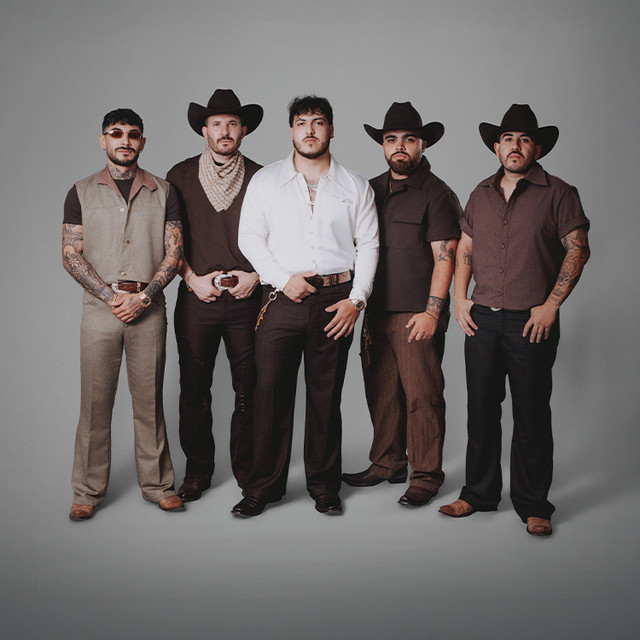
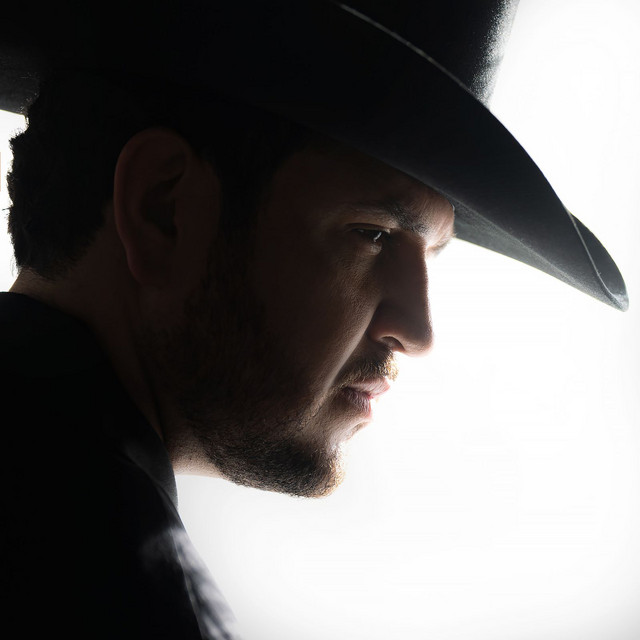
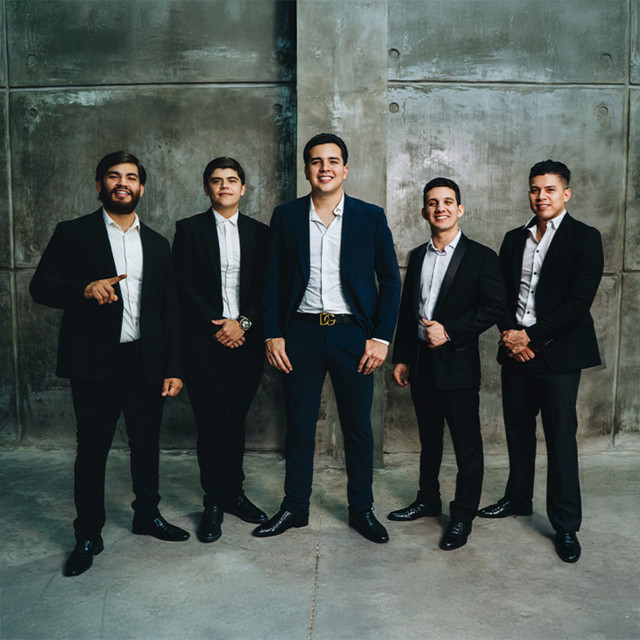
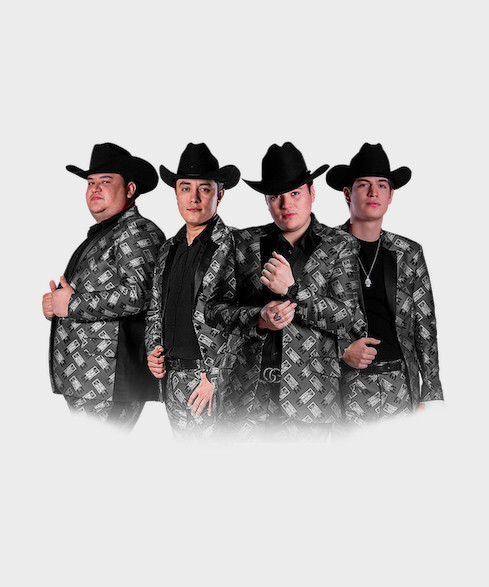
Ambassadors and key figures: Natanael Cano is widely cited as one of the leading figures who helped bring corridos tumbados to a broader audience. His early releases and collaborations with other young artists helped define the aesthetic and attitude of the scene. Other prominent voices include Junior H, who deepened the movement’s emotional range and melancholy-tinged storytelling, and Santa Fe Klan, who fused melodic hooks with drilled-down trap rhythms. Groups such as Fuerza Regida have helped push the sound into larger venues and festivals, expanding the reach of corridos tumbados beyond local scenes. Together, these artists have built a cross-border fanbase.
Geography and audience: corridos tumbados is most popular in Mexico and among the Mexican diaspora in the United States, especially in states with large Mexican-American populations like California, Texas, Arizona, and Illinois. It has also found listening communities in Central America and among Latinx audiences in Europe, though its core footprint remains the US Southwest and northern Mexico. Streaming platforms, social media, and live gigs have accelerated its spread, turning a regional underground into a global listening phenomenon.
Subject matter and reception: lyrically, the tradition continues to mine everyday life, sentimental longing, street life, money, fame, and family. But its delivery is unapologetically contemporary—coded with street slang, introspective confessions, and cinematic production. The genre has sparked debate: for some purists, it’s a fresh reinvention that preserves narrative intensity; for others, it challenges the boundaries of “traditional” corridos. Regardless, corridos tumbados has etched a lasting niche in the broader tapestry of contemporary Mexican music.
Production often favors lean backdrops that let the vocal narrative breathe, with cross-genre collaborations in urban pop and regional styles. For newcomers, tracing Natanael Cano, Junior H, Santa Fe Klan, and Fuerza Regida maps the movement's evolution. It continues to grow with artists worldwide.
Origins and birth: corridos tumbados crystallized in the late 2010s among Mexican and Mexican-American artists in the northern states and border cities, where traditional narcocorrido threads met the digital, club-oriented aesthetics of trap. The movement grew out of the same ecosystem that produced modern regional genres online: garage-style recordings, YouTube clips, and streaming platforms that allowed a direct line from artists to fans without standard radio gatekeeping. By around 2019–2020, the sound had coalesced into a recognizable package—tight, moody productions, bilingual street phrasing at times, and a willingness to blend acoustic guitars with synthesizers and programmed drums.
Ambassadors and key figures: Natanael Cano is widely cited as one of the leading figures who helped bring corridos tumbados to a broader audience. His early releases and collaborations with other young artists helped define the aesthetic and attitude of the scene. Other prominent voices include Junior H, who deepened the movement’s emotional range and melancholy-tinged storytelling, and Santa Fe Klan, who fused melodic hooks with drilled-down trap rhythms. Groups such as Fuerza Regida have helped push the sound into larger venues and festivals, expanding the reach of corridos tumbados beyond local scenes. Together, these artists have built a cross-border fanbase.
Geography and audience: corridos tumbados is most popular in Mexico and among the Mexican diaspora in the United States, especially in states with large Mexican-American populations like California, Texas, Arizona, and Illinois. It has also found listening communities in Central America and among Latinx audiences in Europe, though its core footprint remains the US Southwest and northern Mexico. Streaming platforms, social media, and live gigs have accelerated its spread, turning a regional underground into a global listening phenomenon.
Subject matter and reception: lyrically, the tradition continues to mine everyday life, sentimental longing, street life, money, fame, and family. But its delivery is unapologetically contemporary—coded with street slang, introspective confessions, and cinematic production. The genre has sparked debate: for some purists, it’s a fresh reinvention that preserves narrative intensity; for others, it challenges the boundaries of “traditional” corridos. Regardless, corridos tumbados has etched a lasting niche in the broader tapestry of contemporary Mexican music.
Production often favors lean backdrops that let the vocal narrative breathe, with cross-genre collaborations in urban pop and regional styles. For newcomers, tracing Natanael Cano, Junior H, Santa Fe Klan, and Fuerza Regida maps the movement's evolution. It continues to grow with artists worldwide.