Genre
ukrainian indie
Top Ukrainian indie Artists
Showing 25 of 64 artists












About Ukrainian indie
Ukrainian indie is not a single fixed sound but a living scene that folds together guitar-driven indie rock, intimate indie pop, shimmering dream pop, electronic experiments, and folk-inflected songs. It is defined as much by attitude and language as by a particular groove: a Razor-sharp sense of possibility born in Ukraine’s post‑Soviet cities and carried by artists who write and release on independent terms. The result is music that feels both geographically rooted and cosmically open, crafted by Ukrainian hands for a global audience.
The birth of the scene sits in the late 2000s and early 2010s, when DIY culture, small venues, and online platforms began to sustain a wave of self-released records and independent labels. Kyiv and Lviv became hotbeds, with musicians booking their own tours, building networks, and sharing sounds via Bandcamp, SoundCloud, and YouTube. Festivals and clubs offered crucial exposure, and a new generation learned to think of music as a portable product—able to travel abroad through streaming and social media even while staying deeply Ukrainian in its lyrical and melodic core. By the mid‑2010s, Ukrainian indie had matured enough to host coherent scenes, present cohesive live shows, and attract attention from European audiences hungry for fresh, authentic voices.
What makes Ukrainian indie distinctive is the balance of language, texture, and mood. Sometimes the songs speak in Ukrainian with a raw, emotionally direct edge; other times the music leans into synth-driven propulsion, echoing European electro-pop or post-punk reveries. The textures range from lush, reverb-soaked guitars to tactile folk percussion and cutting-edge electronic soundscapes. The genre often embraces lyrical introspection, social observation, and a sense of place—whether the cityscape of Kyiv at night or the expansive steppe mood captured in a melody. It’s as comfortable with intimate, singer‑songwriter confession as with bold, arena-ready choruses, and it routinely blends influences across borders without losing a local flavor.
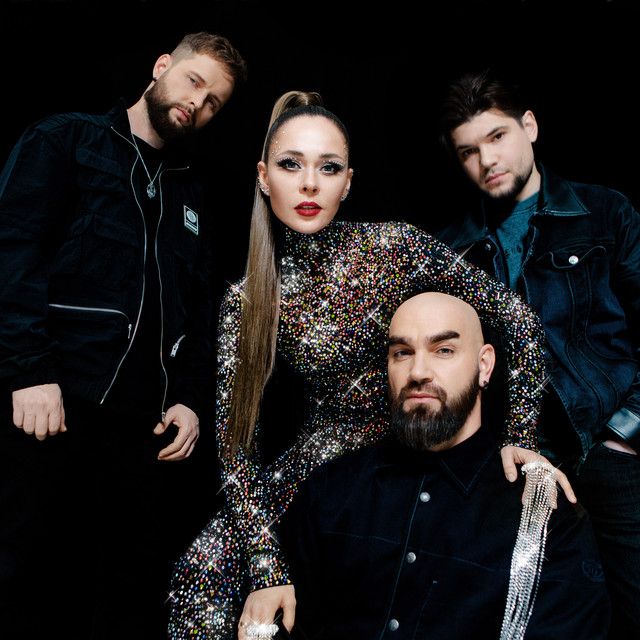
Among the artists who have helped define it, several are widely regarded as ambassadors of Ukrainian indie. The Hardkiss, formed in Kyiv in 2011, married rock energy with glossy pop and electronic textures, producing anthems that resonated with mainstream audiences while keeping an indie backbone. Onuka, launched in 2014 by producer and vocalist Nata Zhyzhanka, pushed Ukrainian electronic music toward international stages with ritualized, hybrid sounds that fuse traditional motifs with futuristic synths. Go_A, emerging a few years later, teamed traditional Ukrainian melodies with club-ready electronics and gained global visibility through their Eurovision entry, showcasing the genre’s capacity to fuse heritage with contemporary club energy.
Outside these pillars, the scene also thrives with younger acts and regional voices, from Kyiv to Lviv and beyond, often releasing music independently and testing new sonic ideas in live settings. Politically and culturally resonant, Ukrainian indie has found audiences in neighboring Central and Eastern Europe and among the Ukrainian diaspora in Poland, Germany, the United Kingdom, and North America—where music blogs, streaming services, and live circuits help keep the sound vibrant and in flux. The genre’s strength lies in its adaptability: it can honor Ukrainian linguistic heritage while embracing English-language experimentation, global indie conventions, and cross‑genre collaborations. As new producers, singers, and bands emerge, Ukrainian indie continues to redefine what it means to be proudly local in a globally connected indie universe.
The birth of the scene sits in the late 2000s and early 2010s, when DIY culture, small venues, and online platforms began to sustain a wave of self-released records and independent labels. Kyiv and Lviv became hotbeds, with musicians booking their own tours, building networks, and sharing sounds via Bandcamp, SoundCloud, and YouTube. Festivals and clubs offered crucial exposure, and a new generation learned to think of music as a portable product—able to travel abroad through streaming and social media even while staying deeply Ukrainian in its lyrical and melodic core. By the mid‑2010s, Ukrainian indie had matured enough to host coherent scenes, present cohesive live shows, and attract attention from European audiences hungry for fresh, authentic voices.
What makes Ukrainian indie distinctive is the balance of language, texture, and mood. Sometimes the songs speak in Ukrainian with a raw, emotionally direct edge; other times the music leans into synth-driven propulsion, echoing European electro-pop or post-punk reveries. The textures range from lush, reverb-soaked guitars to tactile folk percussion and cutting-edge electronic soundscapes. The genre often embraces lyrical introspection, social observation, and a sense of place—whether the cityscape of Kyiv at night or the expansive steppe mood captured in a melody. It’s as comfortable with intimate, singer‑songwriter confession as with bold, arena-ready choruses, and it routinely blends influences across borders without losing a local flavor.
Among the artists who have helped define it, several are widely regarded as ambassadors of Ukrainian indie. The Hardkiss, formed in Kyiv in 2011, married rock energy with glossy pop and electronic textures, producing anthems that resonated with mainstream audiences while keeping an indie backbone. Onuka, launched in 2014 by producer and vocalist Nata Zhyzhanka, pushed Ukrainian electronic music toward international stages with ritualized, hybrid sounds that fuse traditional motifs with futuristic synths. Go_A, emerging a few years later, teamed traditional Ukrainian melodies with club-ready electronics and gained global visibility through their Eurovision entry, showcasing the genre’s capacity to fuse heritage with contemporary club energy.
Outside these pillars, the scene also thrives with younger acts and regional voices, from Kyiv to Lviv and beyond, often releasing music independently and testing new sonic ideas in live settings. Politically and culturally resonant, Ukrainian indie has found audiences in neighboring Central and Eastern Europe and among the Ukrainian diaspora in Poland, Germany, the United Kingdom, and North America—where music blogs, streaming services, and live circuits help keep the sound vibrant and in flux. The genre’s strength lies in its adaptability: it can honor Ukrainian linguistic heritage while embracing English-language experimentation, global indie conventions, and cross‑genre collaborations. As new producers, singers, and bands emerge, Ukrainian indie continues to redefine what it means to be proudly local in a globally connected indie universe.