Genre
sea shanties
Top Sea shanties Artists
Showing 25 of 1,187 artists















About Sea shanties
Sea shanties are maritime work songs that pulse with the rhythm of the deck. They were sung to coordinate tasks aboard sailing ships—hauling on ropes, turning the capstan, steering, or easing sail—so that sailors could synchronize their effort. Characteristically participatory, they employ a call-and-response structure: a shantyman leads with a line or verse, and the crew responds with a chorus, creating a shared tempo that made grueling labor feel more communal and manageable. The genre thrives on group energy, memorable refrains, and a steady, often brisk, cadence that matches the physical rhythm of work at sea.
Origins and evolution: sea shanties emerged among British and Irish maritime communities from the 16th through the 19th centuries, though their exact roots are diverse and migratory. They drew on existing ballads and song traditions, while absorbing influences from crews who came from West Africa, the Caribbean, and other ports around the Atlantic. Different tasks on ship dictated different subtypes: capstan shanties for heavy, repetitive pulling; line-shanties for longer hauling; and short-drag or Buntline-style songs for brisk, short actions. Lyrics frequently range from nautical fantasy to humor and homesickness, often anchoring a chorus that could be shouted by the entire crew.
Historically, shanties were transmitted orally, modified by sailors as needed, and performed on merchant ships and naval vessels during longOcean voyages. As steam replaced sail, they faded from work routines but did not disappear. The genre gained a new life in the 20th century through folklorists and folk musicians who collected, studied, and performed traditional songs. A pivotal figure is Stan Hugill, whose Shanties from the Seven Seas (1961) helped preserve the repertoire and set a standard for later performers and researchers.
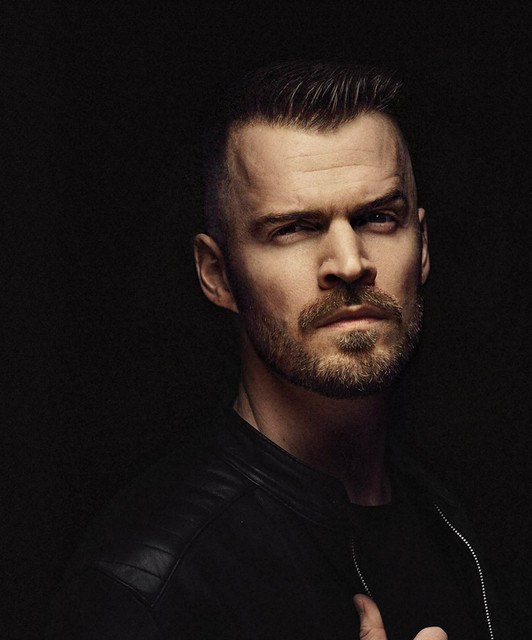
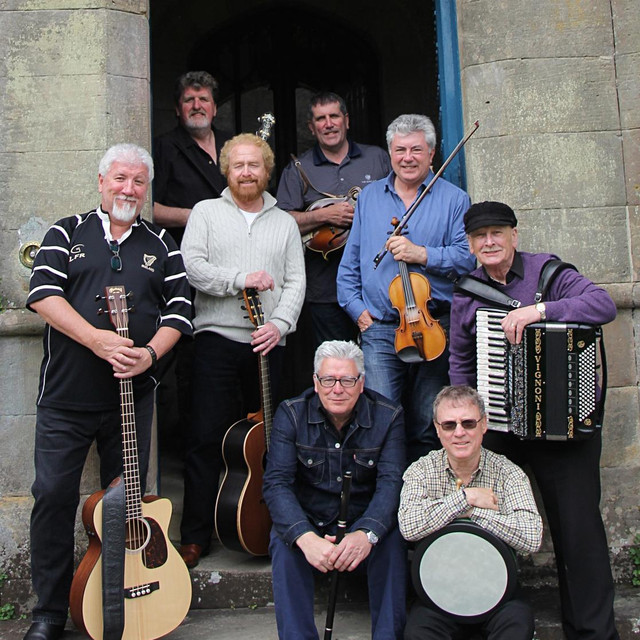
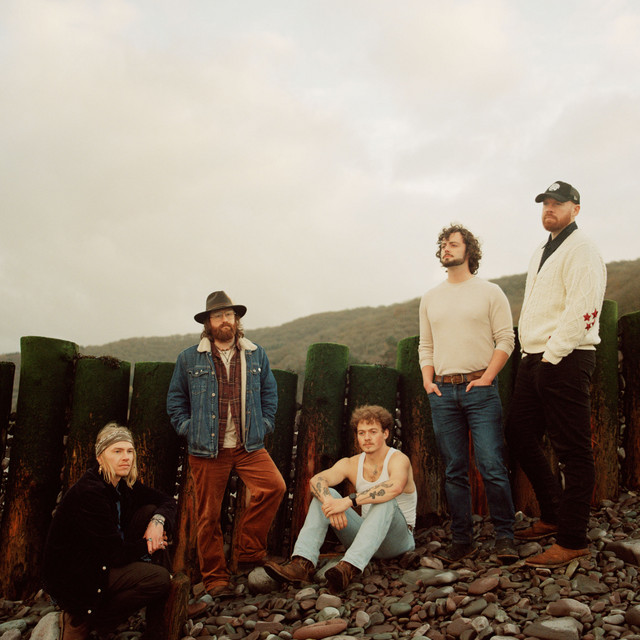
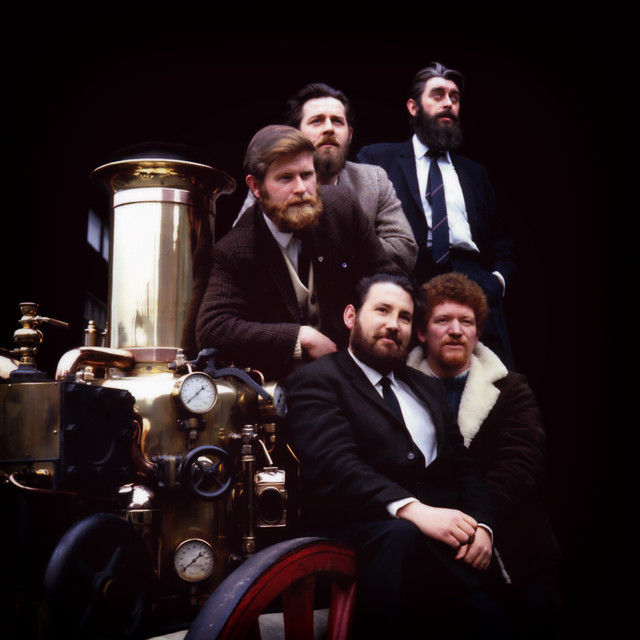
Ambassadors and modern revival: In the past decade, sea shanties experienced a global revival, aided by online communities and festival culture. Contemporary ambassadors include The Longest Johns, an English quartet known for robust harmonies and faithful or creatively arranged traditional shanties; The Fisherman’s Friends, a Cornwall-based group that celebrates authentic, sea-worn singing; and Nathan Evans, whose viral take on the New Zealand whaling song “Wellerman” helped spark a renewed international interest. Modern performances range from unaccompanied, choir-like singing to lightly to moderately accompanied versions, often retaining the call-and-response spirit while inviting wider audiences into the tradition.
Geography and audience: sea shanties are most closely linked to the navies and merchant fleets of the Atlantic world—Britain, Ireland, the United States, Canada, Australia, and New Zealand—but have resonated with listeners across Europe and beyond. They inhabit folk clubs, festivals, and classrooms, where enthusiasts study their historical context and mechanics, while contemporary groups experiment with arrangement and storytelling. For music lovers, sea shanties offer a vivid doorway into a social, historical practice: a living mode of communal singing that binds memory, work, and voyage into one enduring sea-ready songbook.
Origins and evolution: sea shanties emerged among British and Irish maritime communities from the 16th through the 19th centuries, though their exact roots are diverse and migratory. They drew on existing ballads and song traditions, while absorbing influences from crews who came from West Africa, the Caribbean, and other ports around the Atlantic. Different tasks on ship dictated different subtypes: capstan shanties for heavy, repetitive pulling; line-shanties for longer hauling; and short-drag or Buntline-style songs for brisk, short actions. Lyrics frequently range from nautical fantasy to humor and homesickness, often anchoring a chorus that could be shouted by the entire crew.
Historically, shanties were transmitted orally, modified by sailors as needed, and performed on merchant ships and naval vessels during longOcean voyages. As steam replaced sail, they faded from work routines but did not disappear. The genre gained a new life in the 20th century through folklorists and folk musicians who collected, studied, and performed traditional songs. A pivotal figure is Stan Hugill, whose Shanties from the Seven Seas (1961) helped preserve the repertoire and set a standard for later performers and researchers.
Ambassadors and modern revival: In the past decade, sea shanties experienced a global revival, aided by online communities and festival culture. Contemporary ambassadors include The Longest Johns, an English quartet known for robust harmonies and faithful or creatively arranged traditional shanties; The Fisherman’s Friends, a Cornwall-based group that celebrates authentic, sea-worn singing; and Nathan Evans, whose viral take on the New Zealand whaling song “Wellerman” helped spark a renewed international interest. Modern performances range from unaccompanied, choir-like singing to lightly to moderately accompanied versions, often retaining the call-and-response spirit while inviting wider audiences into the tradition.
Geography and audience: sea shanties are most closely linked to the navies and merchant fleets of the Atlantic world—Britain, Ireland, the United States, Canada, Australia, and New Zealand—but have resonated with listeners across Europe and beyond. They inhabit folk clubs, festivals, and classrooms, where enthusiasts study their historical context and mechanics, while contemporary groups experiment with arrangement and storytelling. For music lovers, sea shanties offer a vivid doorway into a social, historical practice: a living mode of communal singing that binds memory, work, and voyage into one enduring sea-ready songbook.