Genre
vintage italian soundtrack
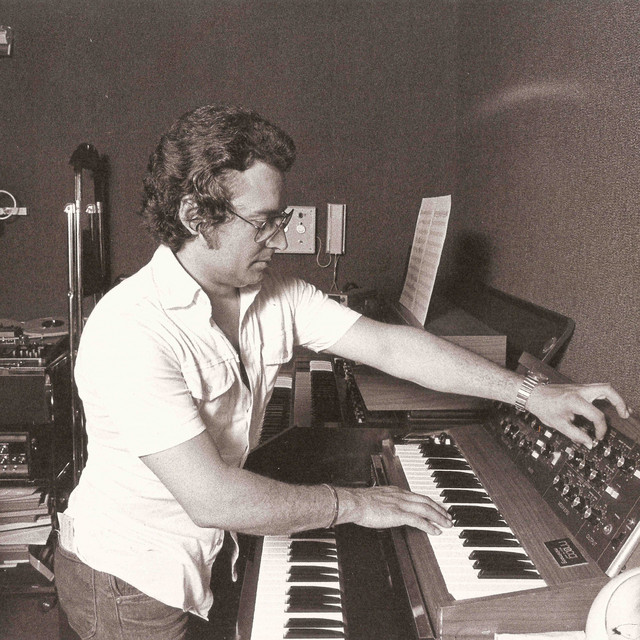
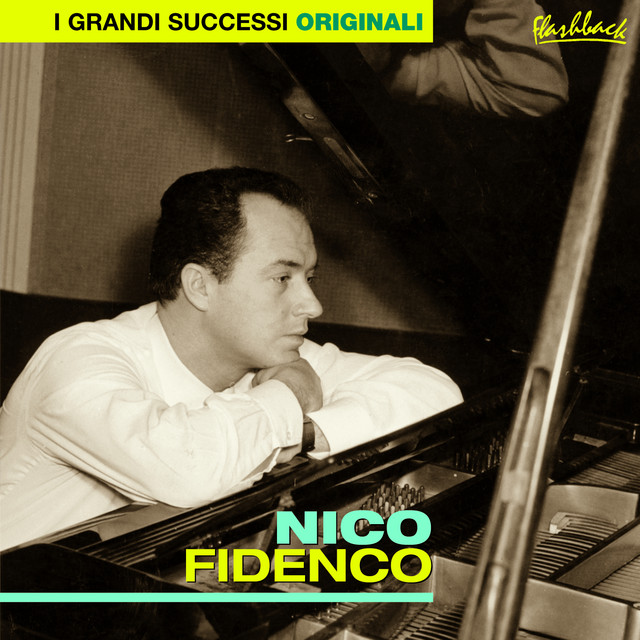
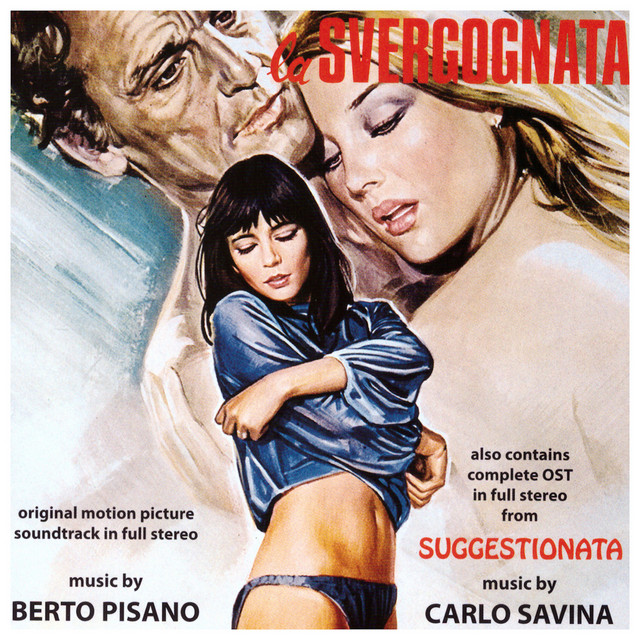
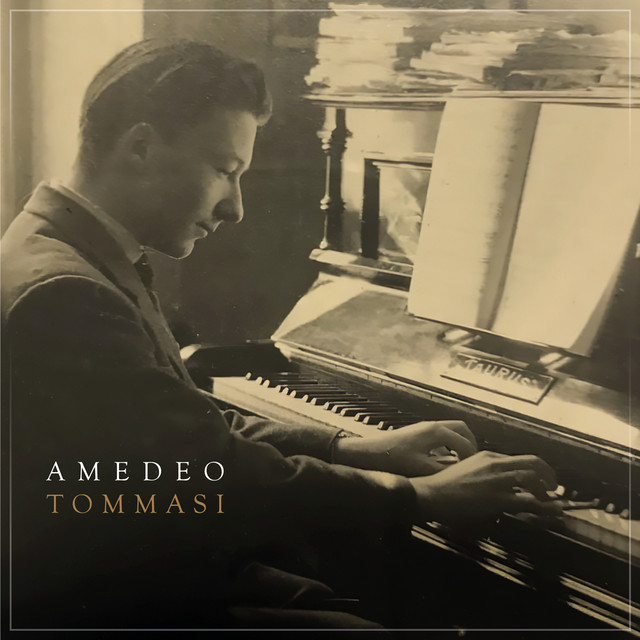
Top Vintage italian soundtrack Artists
Showing 25 of 59 artists



About Vintage italian soundtrack
Vintage Italian soundtrack is a term that invites you to hear cinema as a living archive: lush orchestration, sun-warmed melodies, and a sense of memory codified into sound. It refers to the classic film scores produced in Italy from the late 1940s through the 1970s, a golden era when composers and filmmakers collaborated to turn images into symphonic narratives. Romantic and experimental in equal measure, these scores often function as a character in their own right, guiding mood, pacing, and memory long after the film fades.
The genre grows from Italy’s postwar cinema and its lively studio culture. In Rome, Cinecittà became a magnet for composers who could supply full orchestras, jazz-inflected segues, and folk-inflected textures on a budget that kept sonic imagination high. The period saw neorealism giving way to glossy melodrama, crime cinema, and the infamous spaghetti western, all of which drew on a robust tradition of melodic invention and orchestral color. The soundtracks from this era circulate as cultural artifacts and as listening experiences for enthusiasts who savor the tactile sound of analog recording, lush strings, and memorable leitmotifs. It is also a music of genres—giallo thrillers, neorealist pieces, and the lighthearted comedies—where the score often dictated tempo and emotion just as decisively as the dialogue.
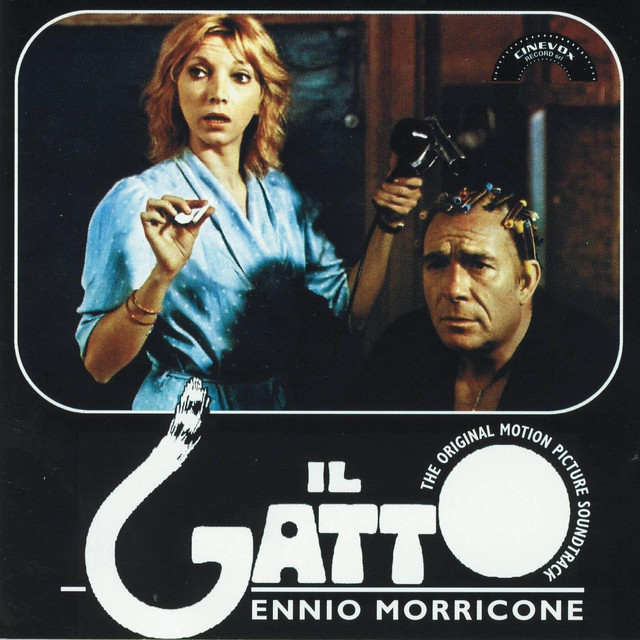
Among the ambassadors of vintage Italian soundtrack, Ennio Morricone and Nino Rota stand tallest. Morricone’s scores for Sergio Leone’s spaghetti westerns—with whistled motifs, electric guitars, trumpets, and choral swells—redefined how action and emotion could be scored and broadcast a new, cinematic Italian voice worldwide. His oeuvre includes The Good, the Bad and the Ugly, Once Upon a Time in the West, and dozens of other projects that helped international audiences recognize a distinctly Italian approach to mood and motif. Nino Rota, by contrast, gave The Godfather, La Dolce Vita, and La Strada a softer, instantly recognizable Italian essence: pastoral themes, waltzes, and hypnotically simple melodies that linger long after the screen goes dark. Riz Ortolani, Piero Piccioni, Bruno Nicolai, Carlo Rustichelli, and Armando Trovajoli expanded the palette with Romantic, jazz-inflected, or baroque inflections, all tethered to Italian idioms. The result is a catalog that ranges from elegiac to kinetic, from opera-in-miniature to sunlit folk tunes. The influence extended beyond film, seeping into concert halls, radio programs, and the vinyl shelves of collectors.
Geographically, the genre found its strongest resonance in Italy and across Europe, but its reach quickly crossed the Atlantic. The United States, Japan, and Latin America developed a deep affection for Morricone’s and Rota’s melodies, often through film appreciation societies, reissues, and the vinyl revival of the late 20th and early 21st centuries. In contemporary practice, the vintage Italian soundtrack continues to influence composers who crave melodicism and cinematic immediacy, and it remains a favorite among collectors and DJs who pair these scores with modern electronic textures. Reissues on vinyl by labels such as Dagored and Beat Records help keep this music in circulation for new generations of listeners.
If you listen with curiosity, you’ll notice a philosophy: to turn a moment on screen into an audible memory, a signature gesture, a mood that persists after the credits. That is vintage Italian soundtrack: a sound-world that feels like a postcard from a living Italian cinema.
The genre grows from Italy’s postwar cinema and its lively studio culture. In Rome, Cinecittà became a magnet for composers who could supply full orchestras, jazz-inflected segues, and folk-inflected textures on a budget that kept sonic imagination high. The period saw neorealism giving way to glossy melodrama, crime cinema, and the infamous spaghetti western, all of which drew on a robust tradition of melodic invention and orchestral color. The soundtracks from this era circulate as cultural artifacts and as listening experiences for enthusiasts who savor the tactile sound of analog recording, lush strings, and memorable leitmotifs. It is also a music of genres—giallo thrillers, neorealist pieces, and the lighthearted comedies—where the score often dictated tempo and emotion just as decisively as the dialogue.
Among the ambassadors of vintage Italian soundtrack, Ennio Morricone and Nino Rota stand tallest. Morricone’s scores for Sergio Leone’s spaghetti westerns—with whistled motifs, electric guitars, trumpets, and choral swells—redefined how action and emotion could be scored and broadcast a new, cinematic Italian voice worldwide. His oeuvre includes The Good, the Bad and the Ugly, Once Upon a Time in the West, and dozens of other projects that helped international audiences recognize a distinctly Italian approach to mood and motif. Nino Rota, by contrast, gave The Godfather, La Dolce Vita, and La Strada a softer, instantly recognizable Italian essence: pastoral themes, waltzes, and hypnotically simple melodies that linger long after the screen goes dark. Riz Ortolani, Piero Piccioni, Bruno Nicolai, Carlo Rustichelli, and Armando Trovajoli expanded the palette with Romantic, jazz-inflected, or baroque inflections, all tethered to Italian idioms. The result is a catalog that ranges from elegiac to kinetic, from opera-in-miniature to sunlit folk tunes. The influence extended beyond film, seeping into concert halls, radio programs, and the vinyl shelves of collectors.
Geographically, the genre found its strongest resonance in Italy and across Europe, but its reach quickly crossed the Atlantic. The United States, Japan, and Latin America developed a deep affection for Morricone’s and Rota’s melodies, often through film appreciation societies, reissues, and the vinyl revival of the late 20th and early 21st centuries. In contemporary practice, the vintage Italian soundtrack continues to influence composers who crave melodicism and cinematic immediacy, and it remains a favorite among collectors and DJs who pair these scores with modern electronic textures. Reissues on vinyl by labels such as Dagored and Beat Records help keep this music in circulation for new generations of listeners.
If you listen with curiosity, you’ll notice a philosophy: to turn a moment on screen into an audible memory, a signature gesture, a mood that persists after the credits. That is vintage Italian soundtrack: a sound-world that feels like a postcard from a living Italian cinema.