Genre
waiata maori
Top Waiata maori Artists
Showing 25 of 33 artists







About Waiata maori
Waiata Māori is the living heartbeat of the Māori people of Aotearoa New Zealand, a genre that gathers traditional songcraft and contemporary voices into a single, evolving soundscape. At its core, waiata means song, and waiata Māori embraces songs sung in te reo Māori as well as modern compositions that carry Māori stories, language, and perspectives into today’s music markets. The result is a spectrum that ranges from ceremonial chants and laments to pop, hip‑hop, rock, and soulful ballads, all tethered to a long cultural memory and a resilient sense of identity.
The roots of waiata lie in everyday life and ceremonial practice. Before and after European contact, Māori song accompanied everything from storytelling and ritual to warfare, mourning, and celebration. The tradition is highly oral: melodies and words were handed down through generations, refined in gatherings, kāranga (welcome), and kapa haka performances. This makes waiata not just entertainment but a living archive—each song a thread in the broader narrative of whakapapa (genealogy) and place. Over the decades, these traditional forms coexisted with Christian hymnody and European-influenced music, then re-emerged with renewed vitality as language and culture were revived in the late 20th century.
A turning point came in the 1980s and 1990s with the rise of artists and groups that fused waiata language and Māori themes with contemporary genres. The Patea Māori Club, led by Dalvanius Prime, scorched a path into popular culture with the breakthrough hit Poi E in 1984. Blending funk, pop, and Māori language, Poi E became a nationwide sensation and is often cited as a catalyst for the Māori language renaissance in music. The era also saw a flowering of kapa haka as a source of national pride, and Te Matatini, the premier biennial competition, helped propel waiata into mainstream consciousness while preserving traditional forms.
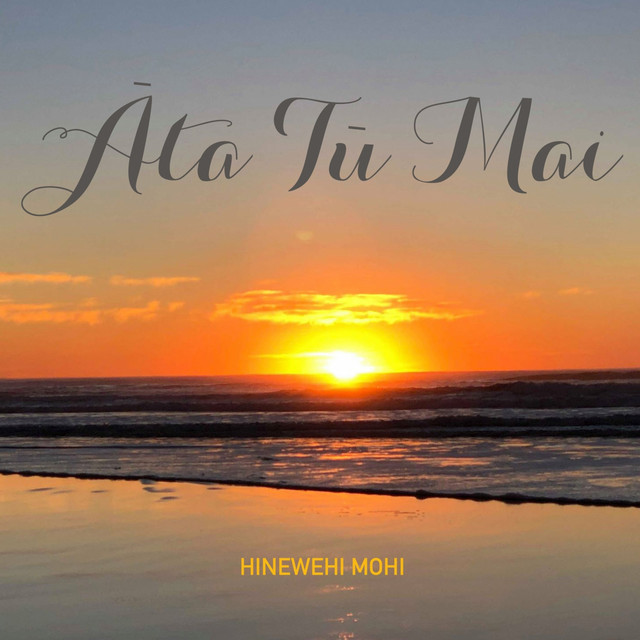
In the following decades, artists such as Hinewehi Mohi, Moana Maniapoto (and The Moahunters), Maisey Rika, and Ria Hall carried waiata into broader audiences. They demonstrated how waiata can be both intimate and expansive—addressing personal story, social issues, and political voice, all while staying deeply rooted in te reo Māori. The genre also thrives through collaboration, festival circuits, and the global world-music ecosystem, where audiences seek authentic vocal storytelling and rich harmonic textures.
Geographically, waiata Māori remains strongest in New Zealand, where te reo Māori has official recognition and a vibrant contemporary scene. It has also found audiences among the Māori and Pacific diaspora in Australia and in world-music communities across Europe and North America, where listeners are drawn to its melodic sincerity, language preservation, and cultural resonance.
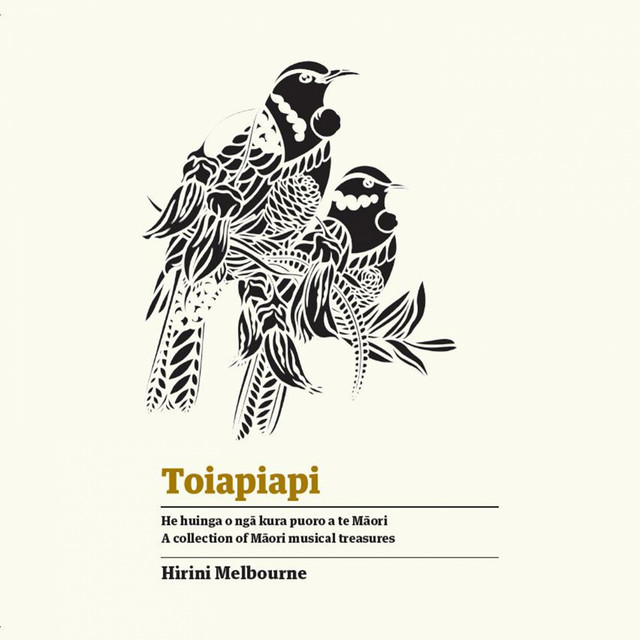
If you’re exploring waiata Māori today, listen for the voice-led storytelling, the pull of the waiata’s kinship with haka and taonga pūoro instrumentation, and the way traditional melodies meet modern production. It’s a genre that invites both reverence and experimentation, offering a modern portal into a culture’s past, present, and future.
The roots of waiata lie in everyday life and ceremonial practice. Before and after European contact, Māori song accompanied everything from storytelling and ritual to warfare, mourning, and celebration. The tradition is highly oral: melodies and words were handed down through generations, refined in gatherings, kāranga (welcome), and kapa haka performances. This makes waiata not just entertainment but a living archive—each song a thread in the broader narrative of whakapapa (genealogy) and place. Over the decades, these traditional forms coexisted with Christian hymnody and European-influenced music, then re-emerged with renewed vitality as language and culture were revived in the late 20th century.
A turning point came in the 1980s and 1990s with the rise of artists and groups that fused waiata language and Māori themes with contemporary genres. The Patea Māori Club, led by Dalvanius Prime, scorched a path into popular culture with the breakthrough hit Poi E in 1984. Blending funk, pop, and Māori language, Poi E became a nationwide sensation and is often cited as a catalyst for the Māori language renaissance in music. The era also saw a flowering of kapa haka as a source of national pride, and Te Matatini, the premier biennial competition, helped propel waiata into mainstream consciousness while preserving traditional forms.
In the following decades, artists such as Hinewehi Mohi, Moana Maniapoto (and The Moahunters), Maisey Rika, and Ria Hall carried waiata into broader audiences. They demonstrated how waiata can be both intimate and expansive—addressing personal story, social issues, and political voice, all while staying deeply rooted in te reo Māori. The genre also thrives through collaboration, festival circuits, and the global world-music ecosystem, where audiences seek authentic vocal storytelling and rich harmonic textures.
Geographically, waiata Māori remains strongest in New Zealand, where te reo Māori has official recognition and a vibrant contemporary scene. It has also found audiences among the Māori and Pacific diaspora in Australia and in world-music communities across Europe and North America, where listeners are drawn to its melodic sincerity, language preservation, and cultural resonance.
If you’re exploring waiata Māori today, listen for the voice-led storytelling, the pull of the waiata’s kinship with haka and taonga pūoro instrumentation, and the way traditional melodies meet modern production. It’s a genre that invites both reverence and experimentation, offering a modern portal into a culture’s past, present, and future.