Genre
welsh folk
Top Welsh folk Artists
Showing 15 of 15 artists





About Welsh folk
Welsh folk is a living tradition of song and sound drawn from Wales’ landscapes, language, and lineage. It sits at the crossroads of ancient harp tunes, bardic storytelling, and the social memory of Welsh communities, then evolves in the hands of contemporary musicians who keep the language vibrant and the repertoire diverse. In its essence, Welsh folk is both a repository of centuries of lyric craft and a platform for new songs born in or in homage to Wales. It thrives on a deep sense of place, nature, and community, yet remains flexible enough to embrace new influences without surrendering its core identity.
Origins and birth of the genre lie in Wales’ long-running performance culture. Medieval bards and singer-poets fed a tradition of narrative songs, laments, and love tunes shaped by Welsh language and rural life. The harp—especially the distinct Welsh harp forms—and later the guitar and fiddle became central voices in gatherings, canu (singing) and eisteddfodau (arts festivals) providing a structure for communal song and competition. The revival impulse came most clearly in the 20th century, when language activism, regional pride, and a renewed sense of Welsh cultural distinctiveness spurred new arrangements of traditional material and the writing of fresh songs in Welsh. Independent labels and scrupulous folk clubs helped circulate these works beyond village gatherings, ensuring that Welsh-language folk could travel far while staying true to its roots.
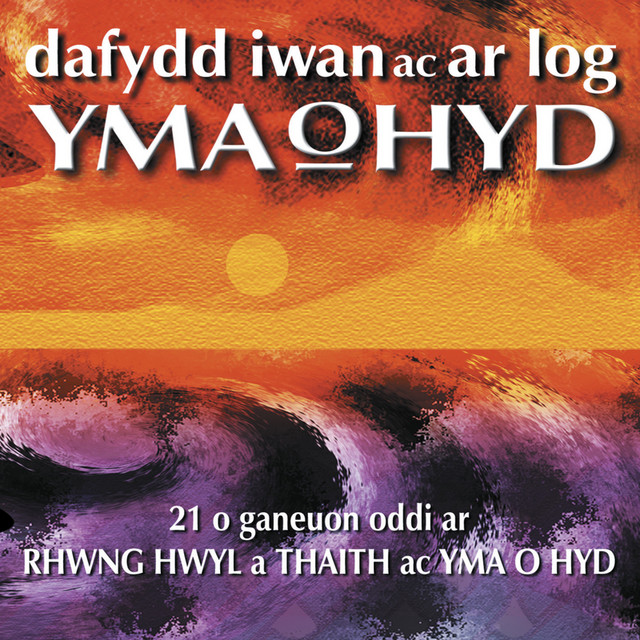
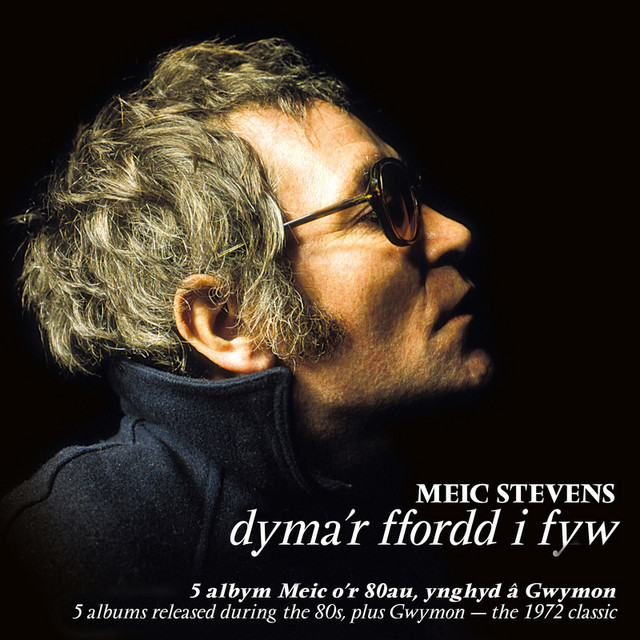
Ambassadors and key artists have helped define Welsh folk across eras. Dafydd Iwan stands as one of the most influential modern voices, shaping the genre through songs that mingle storytelling, language revival, and social conscience—his anthem-like pieces remain touchstones at concerts and gatherings. The 1960s and 70s brought a broader cohort, including Ar Log, a pioneering Welsh-language folk group that helped standardize a contemporary approach to traditional material, and Meic Stevens, whose guitar-driven songs blended folk with a rock sensibility. Mary Hopkin’s global pop-folk success in the late 1960s also highlighted the Welsh connection to folk-inflected music on the world stage. In more recent decades, the neo-traditional and folk-musical scenes have flourished with artists who foreground Welsh language and atmospheric acoustic textures, from Gwynedd and beyond, weaving in orchestral moments, delicate electronics, and cross-genre collaborations while maintaining a strong storytelling thread.
Sound and form in Welsh folk range from intimate voice-and-acoustic-guitar pieces to polyphonic harmonies, fiddle-led reels, and harp-centered instrumentals. Traditional colors—crwth and triple harp textures, flute, and lilting melody lines—sit beside modern arrangements that welcome guitar, piano, and subtle studio effects. The result is a spectrum that can feel rooted in a village pub as easily as at a contemporary festival stage, always centering language and narrative, yet inviting listeners to hear Wales through a broader lens.
Geographically, Welsh folk is best understood as Wales-first, with a robust diaspora footprint. It flourishes in Welsh-speaking communities in Patagonia, Argentina, and among Welsh-descended listeners in the United States and Canada, as well as in English-speaking parts of the UK and Europe where folk scenes are receptive to cross-pollination. For enthusiasts, the genre offers a compelling blend of lyric craft, cultural memory, and musical exploration—an invitation to hear how an ancient tongue can speak newly in a global folk idiom.
Origins and birth of the genre lie in Wales’ long-running performance culture. Medieval bards and singer-poets fed a tradition of narrative songs, laments, and love tunes shaped by Welsh language and rural life. The harp—especially the distinct Welsh harp forms—and later the guitar and fiddle became central voices in gatherings, canu (singing) and eisteddfodau (arts festivals) providing a structure for communal song and competition. The revival impulse came most clearly in the 20th century, when language activism, regional pride, and a renewed sense of Welsh cultural distinctiveness spurred new arrangements of traditional material and the writing of fresh songs in Welsh. Independent labels and scrupulous folk clubs helped circulate these works beyond village gatherings, ensuring that Welsh-language folk could travel far while staying true to its roots.
Ambassadors and key artists have helped define Welsh folk across eras. Dafydd Iwan stands as one of the most influential modern voices, shaping the genre through songs that mingle storytelling, language revival, and social conscience—his anthem-like pieces remain touchstones at concerts and gatherings. The 1960s and 70s brought a broader cohort, including Ar Log, a pioneering Welsh-language folk group that helped standardize a contemporary approach to traditional material, and Meic Stevens, whose guitar-driven songs blended folk with a rock sensibility. Mary Hopkin’s global pop-folk success in the late 1960s also highlighted the Welsh connection to folk-inflected music on the world stage. In more recent decades, the neo-traditional and folk-musical scenes have flourished with artists who foreground Welsh language and atmospheric acoustic textures, from Gwynedd and beyond, weaving in orchestral moments, delicate electronics, and cross-genre collaborations while maintaining a strong storytelling thread.
Sound and form in Welsh folk range from intimate voice-and-acoustic-guitar pieces to polyphonic harmonies, fiddle-led reels, and harp-centered instrumentals. Traditional colors—crwth and triple harp textures, flute, and lilting melody lines—sit beside modern arrangements that welcome guitar, piano, and subtle studio effects. The result is a spectrum that can feel rooted in a village pub as easily as at a contemporary festival stage, always centering language and narrative, yet inviting listeners to hear Wales through a broader lens.
Geographically, Welsh folk is best understood as Wales-first, with a robust diaspora footprint. It flourishes in Welsh-speaking communities in Patagonia, Argentina, and among Welsh-descended listeners in the United States and Canada, as well as in English-speaking parts of the UK and Europe where folk scenes are receptive to cross-pollination. For enthusiasts, the genre offers a compelling blend of lyric craft, cultural memory, and musical exploration—an invitation to hear how an ancient tongue can speak newly in a global folk idiom.