Genre
doom metal
Top Doom metal Artists
Showing 25 of 3,408 artists
About Doom metal
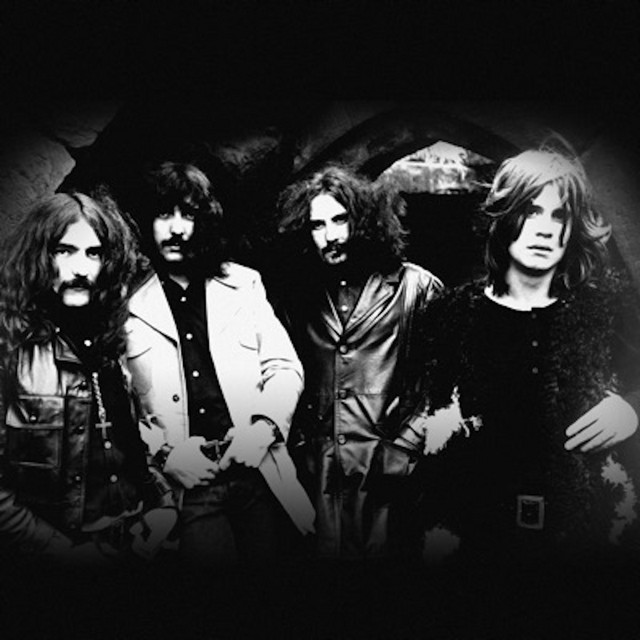
Doom metal is a slow, weighty, and atmosphere-drenched branch of heavy metal, built on the idea that heaviness comes from mood just as much as from tempo. Its DNA traces to the late 1960s and early 1970s, with Black Sabbath (Birmingham, England) as the undisputed progenitors. Sabbath’s down-tuned guitars, lurching grooves, and lyrical descent into darkness set a template: songs that plod rather than sprint, riffs that feel like a loaded floor, and a vocal delivery that speaks from the shadowed corners of a ruined cathedral. The seeds of doom took root in both the UK and the American underground, and in the years that followed the sound slowly diversified into distinct substyles while retaining a shared preoccupation with misery, mortality, and melancholy.
In the 1980s, doom metal crystallized into several recognizable schools. Traditional doom bands like Saint Vitus and Trouble (both American) extended the Sabbath blueprint with even slower tempos and a more overt sense of despair. Pentagram (also American) and The Obsessed helped push the style toward murkier, heavier horizons. Sweden’s Candlemass became one of the most influential ambassadors of the genre, releasing Epicus Doomicidius in 1986 and popularizing a sweeping, epic sensibility that could fill arenas of gloom with grandiose melodies and operatic, booming vocals. This era also birthed doom-death, a hybrid that fused doomy atmosphere with death metal’s teeth, with early releases from bands sliding between the two worlds.
The 1990s expanded doom’s emotional grammar. The UK’s My Dying Bride and Paradise Lost helped fuse doom with gothic textures and melodic sorrow, while Finland’s Skepticism and Esoteric pushed funeral doom into extreme slow-motion, where minutes could feel like an eternity and atmosphere eclipsed conventional song structure. Across the Atlantic, American acts like Celtic Frost’s shadow loomed in the broader metal imagination, and Sleep’s slow, hypnotic grooves in the early 1990s seeded the later stoner-doom wave.
Subgenres proliferated: traditional doom keeps Sabbath’s emphasis on weight and melody; epic doom emphasizes grand, operatic arrangements (Candlemass remains the poster child); funeral doom tilts toward ritual, drone-like minimalism and extreme length; doom-death blends sorrow with growls and riffs that still ache with doom’s lethargic gravity; stoner/occult doom (think Sleep, Electric Wizard, Witchcraft) leans into desert rock riffs and occult imagery while maintaining the core doom temperament.
Doom metal thrives most vividly in the US, the UK, Sweden, and Finland, with strong scenes in Italy and elsewhere in Europe as well. Lyrically it often confronts despair, addiction, apocalypse, philosophy, and religion—rarely party-ready, always deeply felt. Sonically, it rewards patience: long, heavy riffs, downtuned guitars, restrained drumming, and vocals that murmur, scream, or croon from within a fog of organ-like atmosphere.
If you’re an enthusiast exploring the genre, start with Sabbath’s early work for the blueprint, then Candlemass for epic scale, move through Saint Vitus and Trouble for the American doom lineage, and explore the European schools via My Dying Bride, Paradise Lost, Skepticism, and Esoteric. From there, sample Sleep and Electric Wizard for the modern stoner doom hustle, and chase the newer acts in Finland and Sweden that keep doom’s flame alive—slow, devastating, and inexorably human.
In the 1980s, doom metal crystallized into several recognizable schools. Traditional doom bands like Saint Vitus and Trouble (both American) extended the Sabbath blueprint with even slower tempos and a more overt sense of despair. Pentagram (also American) and The Obsessed helped push the style toward murkier, heavier horizons. Sweden’s Candlemass became one of the most influential ambassadors of the genre, releasing Epicus Doomicidius in 1986 and popularizing a sweeping, epic sensibility that could fill arenas of gloom with grandiose melodies and operatic, booming vocals. This era also birthed doom-death, a hybrid that fused doomy atmosphere with death metal’s teeth, with early releases from bands sliding between the two worlds.
The 1990s expanded doom’s emotional grammar. The UK’s My Dying Bride and Paradise Lost helped fuse doom with gothic textures and melodic sorrow, while Finland’s Skepticism and Esoteric pushed funeral doom into extreme slow-motion, where minutes could feel like an eternity and atmosphere eclipsed conventional song structure. Across the Atlantic, American acts like Celtic Frost’s shadow loomed in the broader metal imagination, and Sleep’s slow, hypnotic grooves in the early 1990s seeded the later stoner-doom wave.
Subgenres proliferated: traditional doom keeps Sabbath’s emphasis on weight and melody; epic doom emphasizes grand, operatic arrangements (Candlemass remains the poster child); funeral doom tilts toward ritual, drone-like minimalism and extreme length; doom-death blends sorrow with growls and riffs that still ache with doom’s lethargic gravity; stoner/occult doom (think Sleep, Electric Wizard, Witchcraft) leans into desert rock riffs and occult imagery while maintaining the core doom temperament.
Doom metal thrives most vividly in the US, the UK, Sweden, and Finland, with strong scenes in Italy and elsewhere in Europe as well. Lyrically it often confronts despair, addiction, apocalypse, philosophy, and religion—rarely party-ready, always deeply felt. Sonically, it rewards patience: long, heavy riffs, downtuned guitars, restrained drumming, and vocals that murmur, scream, or croon from within a fog of organ-like atmosphere.
If you’re an enthusiast exploring the genre, start with Sabbath’s early work for the blueprint, then Candlemass for epic scale, move through Saint Vitus and Trouble for the American doom lineage, and explore the European schools via My Dying Bride, Paradise Lost, Skepticism, and Esoteric. From there, sample Sleep and Electric Wizard for the modern stoner doom hustle, and chase the newer acts in Finland and Sweden that keep doom’s flame alive—slow, devastating, and inexorably human.