Genre
yacht rock
Top Yacht rock Artists
Showing 25 of 456 artists



















About Yacht rock
Yacht rock is not a boat-race category so much as a sun-soaked, studio-polished strain of soft rock that defined a very specific late-70s/early-80s moment on the American West Coast. Born out of the FM radio era and the jazz-influenced pop that dominated American airwaves, it blends melodic hooks, clean production, and immaculate vocal harmonies into a polished, easygoing sound that somehow feels both carefree and meticulously crafted.
Origins and mindset
The core of yacht rock emerged in the United States, especially around Los Angeles and the broader Pacific coast, where session players, producers, and singer‑songwriters created songs that could ride the wave of yacht-club cool without venturing into hard rock or heavy disco. Think chord-rich arrangements, jazzy inflections, and tasteful guitar work—often with a warm Fender Rhodes, crisp saxophone lines, and floating harmonies. The sound is less about edge and more about restraint, upper-register falsettos, and a sense of cruising through a sunlit afternoon.
Key artists and ambassadors
Several acts stand as the genre’s most recognizable ambassadors:
- Steely Dan and its jazz-pop sophistication, with tightly arranged tunes and studio virtuosity.
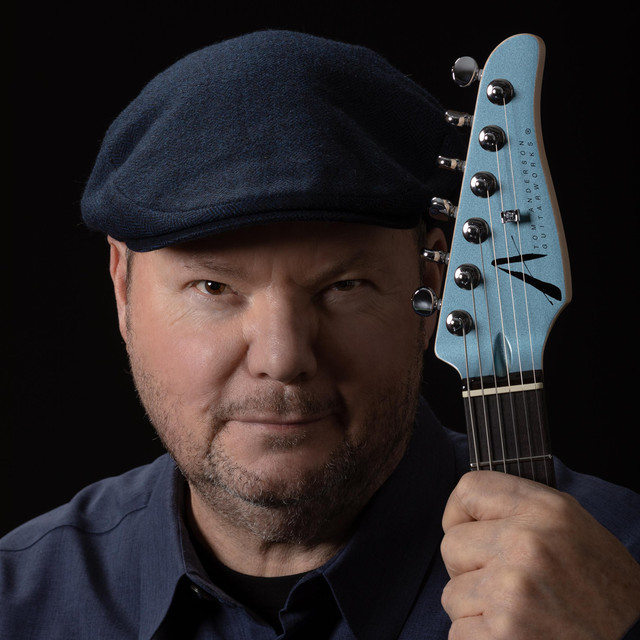
- Christopher Cross, whose 1980 hit Sailing became an emblem of the sound’s clean, optimistic aura.
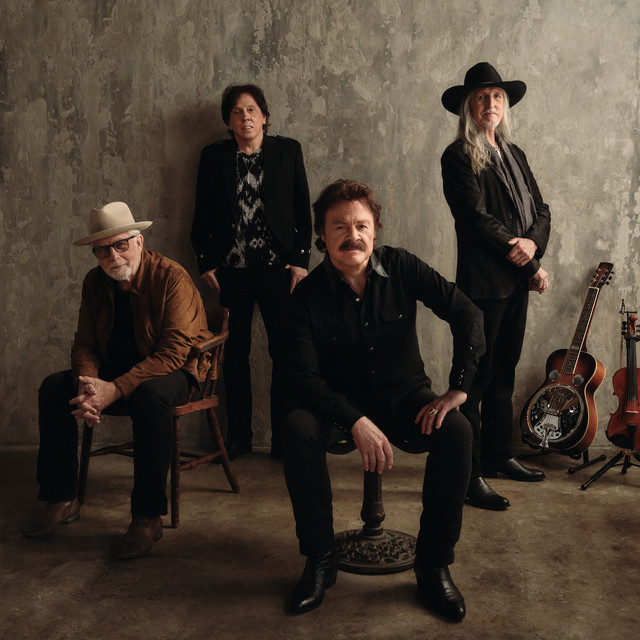
- The Doobie Brothers, especially through Michael McDonald’s smooth, soulful touch on tracks like What a Fool Believes.
- Toto, whose blend of pop craftsmanship and blues-rock finesse epitomizes the high-gloss production associated with yacht rock.
- Hall & Oates, providing crisp harmonies and radio-friendly sophistication.
- Kenny Loggins and other West Coast staples that bridged pop, rock, and adult contemporary without losing polish.
Musical hallmarks
What gives yacht rock its distinct vibe is a combination of:
- Polished, radio-friendly production and a preference for studio precision.
- Jazz-tinged chord work, sophisticated harmony, and smooth melodic lines.
- Lush vocal harmonies and a penchant for clean, uplifting hooks.
- Subtle, tasteful guitar work, often with melodic, buoyant solos that never shout.
Representative tracks and moments
While no single track defines the genre completely, Sailing (Christopher Cross) and What a Fool Believes (Steely Dan with Michael McDonald) sit near its core. Africa (Toto) and You’ve Got It Bad Girl-type ballads also show the range—from breezy up-tempo to poised balladry—within the same broad sonic family. The aesthetic spans pop, soft rock, and AOR (adult album rock) threads, always maintaining an air of breezy confidence.
Global footprint
Yacht rock has its strongest following in the United States, but it resonates across other English-speaking countries—Canada, the United Kingdom, Australia—where the era’s radio memories linger. It also finds appreciators in parts of Northern Europe and Japan, where listeners value the era’s craftsmanship, restraint, and the feel of a sun-drenched communal cruise.
Now and then, the term “yacht rock” is used with a wink or a wink-and-nod: a label that helps fans describe a shared sonic mood—polished, nostalgic, and laid-back, yet never underestimating the musicianship at its heart. For music enthusiasts, it’s a reminder that produced warmth and melodic clarity can carry an entire era as gracefully as a well-steered yacht. If you crave songs that feel sunlit, impeccably arranged, and endlessly replayable, yacht rock remains a compelling compass point in the broader map of classic pop and soft rock.
Origins and mindset
The core of yacht rock emerged in the United States, especially around Los Angeles and the broader Pacific coast, where session players, producers, and singer‑songwriters created songs that could ride the wave of yacht-club cool without venturing into hard rock or heavy disco. Think chord-rich arrangements, jazzy inflections, and tasteful guitar work—often with a warm Fender Rhodes, crisp saxophone lines, and floating harmonies. The sound is less about edge and more about restraint, upper-register falsettos, and a sense of cruising through a sunlit afternoon.
Key artists and ambassadors
Several acts stand as the genre’s most recognizable ambassadors:
- Steely Dan and its jazz-pop sophistication, with tightly arranged tunes and studio virtuosity.
- Christopher Cross, whose 1980 hit Sailing became an emblem of the sound’s clean, optimistic aura.
- The Doobie Brothers, especially through Michael McDonald’s smooth, soulful touch on tracks like What a Fool Believes.
- Toto, whose blend of pop craftsmanship and blues-rock finesse epitomizes the high-gloss production associated with yacht rock.
- Hall & Oates, providing crisp harmonies and radio-friendly sophistication.
- Kenny Loggins and other West Coast staples that bridged pop, rock, and adult contemporary without losing polish.
Musical hallmarks
What gives yacht rock its distinct vibe is a combination of:
- Polished, radio-friendly production and a preference for studio precision.
- Jazz-tinged chord work, sophisticated harmony, and smooth melodic lines.
- Lush vocal harmonies and a penchant for clean, uplifting hooks.
- Subtle, tasteful guitar work, often with melodic, buoyant solos that never shout.
Representative tracks and moments
While no single track defines the genre completely, Sailing (Christopher Cross) and What a Fool Believes (Steely Dan with Michael McDonald) sit near its core. Africa (Toto) and You’ve Got It Bad Girl-type ballads also show the range—from breezy up-tempo to poised balladry—within the same broad sonic family. The aesthetic spans pop, soft rock, and AOR (adult album rock) threads, always maintaining an air of breezy confidence.
Global footprint
Yacht rock has its strongest following in the United States, but it resonates across other English-speaking countries—Canada, the United Kingdom, Australia—where the era’s radio memories linger. It also finds appreciators in parts of Northern Europe and Japan, where listeners value the era’s craftsmanship, restraint, and the feel of a sun-drenched communal cruise.
Now and then, the term “yacht rock” is used with a wink or a wink-and-nod: a label that helps fans describe a shared sonic mood—polished, nostalgic, and laid-back, yet never underestimating the musicianship at its heart. For music enthusiasts, it’s a reminder that produced warmth and melodic clarity can carry an entire era as gracefully as a well-steered yacht. If you crave songs that feel sunlit, impeccably arranged, and endlessly replayable, yacht rock remains a compelling compass point in the broader map of classic pop and soft rock.