Data may be outdated
Last updated: 9 months ago — Click refresh to get the latest statistics.
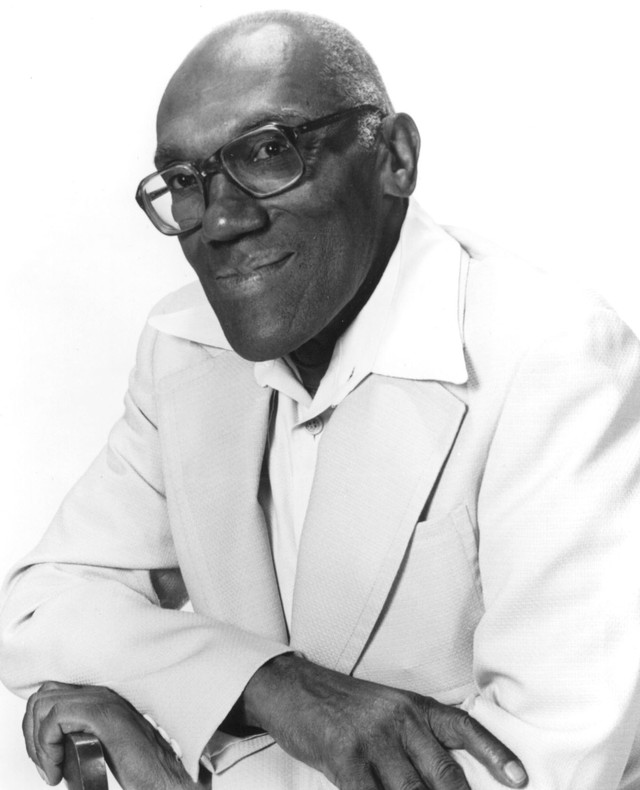
Not just a distinctive singer but a true vocal wonder, Al Hibbler featured with<a href="spotify:artist:4F7Q5NV6h5TSwCainz8S5A"> Duke Ellington</a>'s Orchestra throughout the 1940s and recorded a few hits ("Unchained Melody," "After the Lights Go Down Low," "He") on his own for <a href="spotify:search:label%3A%22Decca%22">Decca</a> and Atlantic during the '50s and '60s. His frequent use of a Cockney accent and non-subtle growling techniques kept listeners on their toes though, far from a novelty act, Hibbler's voice was strong, emotive, and masculine, with a steady vibrato that carried every record he made.
Born blind in Mississippi, he began singing early on and sang soprano in the choir of a school for the blind after moving to Little Rock at the age of 12. Inspired by lush ballad singers like <a href="spotify:artist:6ZjFtWeHP9XN7FeKSUe80S">Bing Crosby</a> and <a href="spotify:artist:1bX7fjOYkonAk4NR2S82Kw">Russ Columbo</a>, Hibbler's voice soon deepened and he began singing the blues at area roadhouses. After winning a talent contest in Memphis, he joined <a href="spotify:artist:1qZnWtvzKVV0lJQZBapchU">Jay McShann</a> and His Orchestra in 1942 and debuted with <a href="spotify:artist:4F7Q5NV6h5TSwCainz8S5A">Duke Ellington</a>'s Orchestra just one year later, replacing <a href="spotify:artist:1OH5IJZ1IM8QvrZC1ZXSUm">Herb Jeffries</a>. One of the most important singers <a href="spotify:artist:4F7Q5NV6h5TSwCainz8S5A">Ellington</a> ever showcased, Hibbler appeared on a range of <a href="spotify:artist:4F7Q5NV6h5TSwCainz8S5A">Ellington</a> standards including "Do Nothin' 'Til You Hear from Me," "Ain't Got Nothin' But the Blues," "Don't Be so Mean to My Baby," and "I'm Just a Lucky So-and-So." He spent a total of eight years with <a href="spotify:artist:4F7Q5NV6h5TSwCainz8S5A">Ellington</a>'s band, finally leaving in 1951 after <a href="spotify:artist:4F7Q5NV6h5TSwCainz8S5A">Ellington</a> refused to raise his salary by $50.
After quickly signing to Verve, Hibbler continued to record with excellent musicians (<a href="spotify:artist:28fgw4cYFSCSciUyDqnbXN">Harry Carney</a>, <a href="spotify:artist:2jFZlvIea42ZvcCw4OeEdA">Count Basie</a>, <a href="spotify:artist:2gSkBqzo1VXaWnAyjhoYk7">Gerald Wilson</a>) for his initial solo work, and in 1954 released an LP of old favorites entitled Al Hibbler Sings Duke Ellington. One year later, he signed a big contract with <a href="spotify:search:label%3A%22Decca%22">Decca</a> and hit the pop charts in a big way with two million-selling singles, "Unchained Melody" and "He," spotlighting his idiosyncratic (to say the least) delivery, which veered from growling vocals to a carefully studied, almost Cockney accent only occasionally enforced. In 1956, Hibbler hit the Top Ten again with "After the Lights Go Down Low," but it proved to be his last hit.
By the late '50s, Hibbler had begun taking an interest in the civil-rights movement. While other major artists gave generously to the cause, Hibbler actually marched with protesters and was arrested twice, once in New Jersey in 1959 and again in Alabama in 1963 (after he led an anti-segregation protest). Though the major labels backed away from the potential controversy of owning his contract, Hibbler did gain support from an important source -- <a href="spotify:artist:1Mxqyy3pSjf8kZZL4QVxS0">Frank Sinatra</a> signed him to Reprise and released an LP, Monday Every Day, in 1961. Hibbler recorded very sparingly after that. He collaborated with <a href="spotify:artist:7De2eIqeHTw091YeAkkYXV">Rahsaan Roland Kirk</a> on a 1972 LP for Atlantic (A Meeting of the Times), but resurfaced only occasionally during the '80s and '90s for recordings or special performances. ~ John Bush, Rovi
Born blind in Mississippi, he began singing early on and sang soprano in the choir of a school for the blind after moving to Little Rock at the age of 12. Inspired by lush ballad singers like <a href="spotify:artist:6ZjFtWeHP9XN7FeKSUe80S">Bing Crosby</a> and <a href="spotify:artist:1bX7fjOYkonAk4NR2S82Kw">Russ Columbo</a>, Hibbler's voice soon deepened and he began singing the blues at area roadhouses. After winning a talent contest in Memphis, he joined <a href="spotify:artist:1qZnWtvzKVV0lJQZBapchU">Jay McShann</a> and His Orchestra in 1942 and debuted with <a href="spotify:artist:4F7Q5NV6h5TSwCainz8S5A">Duke Ellington</a>'s Orchestra just one year later, replacing <a href="spotify:artist:1OH5IJZ1IM8QvrZC1ZXSUm">Herb Jeffries</a>. One of the most important singers <a href="spotify:artist:4F7Q5NV6h5TSwCainz8S5A">Ellington</a> ever showcased, Hibbler appeared on a range of <a href="spotify:artist:4F7Q5NV6h5TSwCainz8S5A">Ellington</a> standards including "Do Nothin' 'Til You Hear from Me," "Ain't Got Nothin' But the Blues," "Don't Be so Mean to My Baby," and "I'm Just a Lucky So-and-So." He spent a total of eight years with <a href="spotify:artist:4F7Q5NV6h5TSwCainz8S5A">Ellington</a>'s band, finally leaving in 1951 after <a href="spotify:artist:4F7Q5NV6h5TSwCainz8S5A">Ellington</a> refused to raise his salary by $50.
After quickly signing to Verve, Hibbler continued to record with excellent musicians (<a href="spotify:artist:28fgw4cYFSCSciUyDqnbXN">Harry Carney</a>, <a href="spotify:artist:2jFZlvIea42ZvcCw4OeEdA">Count Basie</a>, <a href="spotify:artist:2gSkBqzo1VXaWnAyjhoYk7">Gerald Wilson</a>) for his initial solo work, and in 1954 released an LP of old favorites entitled Al Hibbler Sings Duke Ellington. One year later, he signed a big contract with <a href="spotify:search:label%3A%22Decca%22">Decca</a> and hit the pop charts in a big way with two million-selling singles, "Unchained Melody" and "He," spotlighting his idiosyncratic (to say the least) delivery, which veered from growling vocals to a carefully studied, almost Cockney accent only occasionally enforced. In 1956, Hibbler hit the Top Ten again with "After the Lights Go Down Low," but it proved to be his last hit.
By the late '50s, Hibbler had begun taking an interest in the civil-rights movement. While other major artists gave generously to the cause, Hibbler actually marched with protesters and was arrested twice, once in New Jersey in 1959 and again in Alabama in 1963 (after he led an anti-segregation protest). Though the major labels backed away from the potential controversy of owning his contract, Hibbler did gain support from an important source -- <a href="spotify:artist:1Mxqyy3pSjf8kZZL4QVxS0">Frank Sinatra</a> signed him to Reprise and released an LP, Monday Every Day, in 1961. Hibbler recorded very sparingly after that. He collaborated with <a href="spotify:artist:7De2eIqeHTw091YeAkkYXV">Rahsaan Roland Kirk</a> on a 1972 LP for Atlantic (A Meeting of the Times), but resurfaced only occasionally during the '80s and '90s for recordings or special performances. ~ John Bush, Rovi
Monthly Listeners
14,566
Monthly Listeners History
Track the evolution of monthly listeners over the last 28 days.
Followers
2,921
Followers History
Track the evolution of followers over the last 28 days.
Top Cities
391 listeners

198 listeners

122 listeners
119 listeners

114 listeners

Related Artists


Tex Beneke & His Orchestra
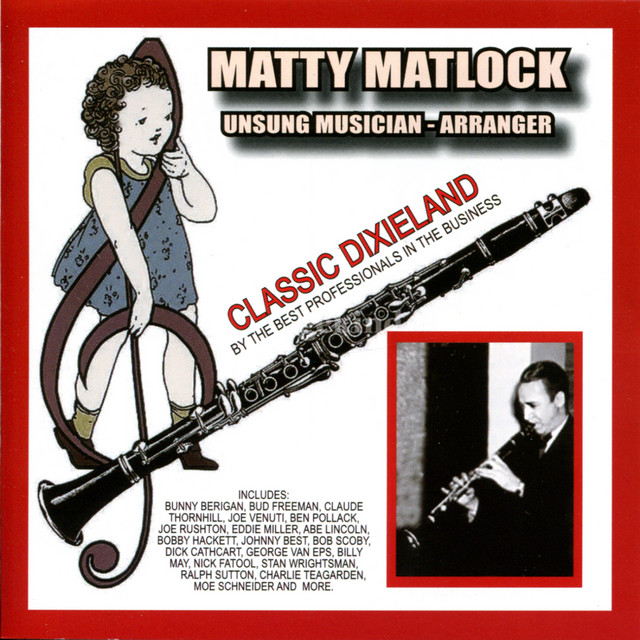
Matty Matlock