Data may be outdated
Last updated: 9 months ago — Click refresh to get the latest statistics.
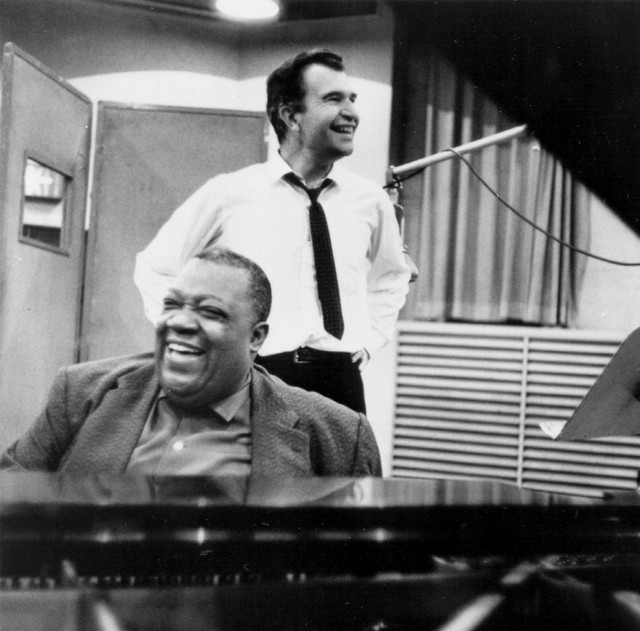
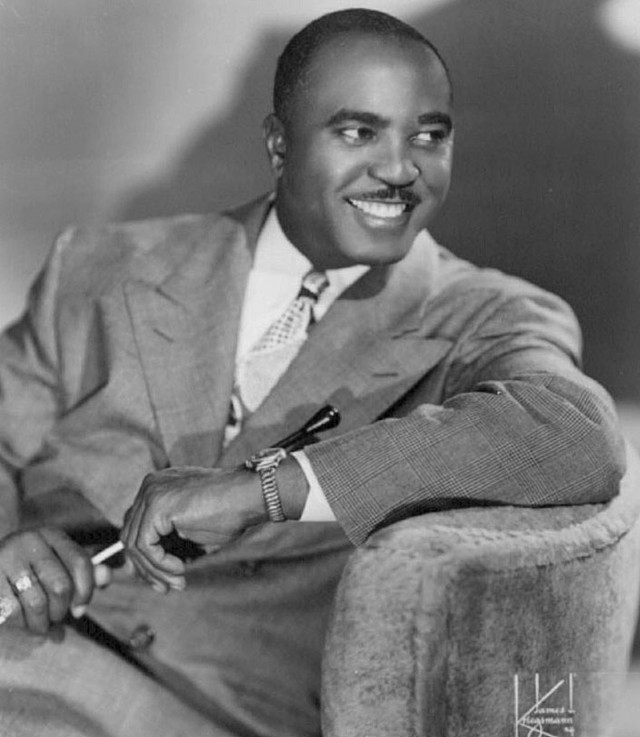
He was known as "Mister Five-By-Five" -- an affectionate reference to his height and girth -- a blues shouter who defined and then transcended the form. The owner of a booming voice that radiated sheer joy in whatever material he sang, Jimmy Rushing could swing with anyone and dominate even the loudest of big bands. Rushing achieved his greatest fame in front of the <a href="spotify:artist:2jFZlvIea42ZvcCw4OeEdA">Count Basie</a> band from 1935 to 1950, yet unlike many band singers closely associated with one organization, he was able to carry on afterwards with a series of solo recordings that further enhanced his reputation as a first-class jazz singer.
Raised in a musical family, learning violin, piano and music theory in his youth, Rushing began performing in nightspots after a move to California in the mid-'20s. He joined Walter Page's Blue Devils in 1927, then toured with <a href="spotify:artist:1bm4KifyNLFa4pjZzulTQU">Bennie Moten</a> from 1929 until the leader's death in 1935, going over to <a href="spotify:artist:2jFZlvIea42ZvcCw4OeEdA">Basie</a> when the latter picked up the pieces of the <a href="spotify:artist:1bm4KifyNLFa4pjZzulTQU">Moten</a> band. The unquenchably swinging <a href="spotify:artist:2jFZlvIea42ZvcCw4OeEdA">Basie</a> rhythm section was a perfect match for Rushing, making their earliest showing together on a 1936 recording of "Boogie Woogie" that stamped not only Rushing's presence onto the national scene but also that of <a href="spotify:artist:05E3NBxNMdnrPtxF9oraJm">Lester Young</a>. Rushing's recordings with <a href="spotify:artist:2jFZlvIea42ZvcCw4OeEdA">Basie</a> are scattered liberally throughout several reissues on Decca, Columbia and RCA. While with <a href="spotify:artist:2jFZlvIea42ZvcCw4OeEdA">Basie</a>, he also appeared in several film shorts and features.
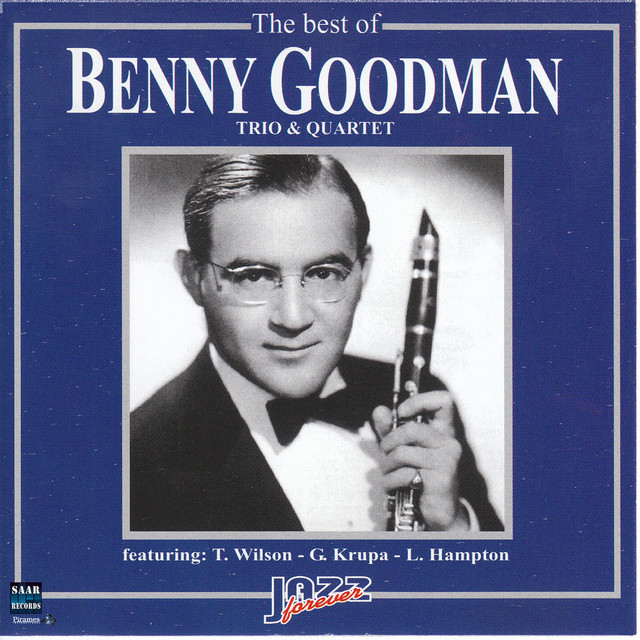
After the <a href="spotify:artist:2jFZlvIea42ZvcCw4OeEdA">Basie</a> ensemble broke up in 1950, a victim of hard times for big bands, Rushing briefly retired, then formed his own septet. He started a series of solo albums for Vanguard in the mid-'50s, then turned in several distinguished recordings for Columbia in league with such luminaries as <a href="spotify:artist:3kUKwTJdH8FuWzF8p6Dg9E">Dave Brubeck</a>, <a href="spotify:artist:0JM134st8VY7Ld9T2wQiH0">Coleman Hawkins</a> and <a href="spotify:artist:1pBuKaLHJlIlqYxQQaflve">Benny Goodman</a>, the latter of whom he appeared with at the Brussels World's Fair in 1958 as immortalized in "Brussels Blues." He also recorded with <a href="spotify:artist:2jFZlvIea42ZvcCw4OeEdA">Basie</a> alumni such as <a href="spotify:artist:1rQ8RuN5MY5dBeBz81fIho">Buck Clayton</a> and <a href="spotify:artist:5iCN8xlg1r3uXDW5yLFHmJ">Jo Jones</a>, as well as with the Duke Ellington band on Jazz Party. He appeared on TV in The Sound of Jazz in 1957, was featured in <a href="spotify:artist:2Kn5swSfLmUU2WEJVlQvJY">Jon Hendricks</a>' The Evolution of the Blues, and also had a singing and acting role in the 1969 film The Learning Tree. ~ Richard S. Ginell, Rovi
Raised in a musical family, learning violin, piano and music theory in his youth, Rushing began performing in nightspots after a move to California in the mid-'20s. He joined Walter Page's Blue Devils in 1927, then toured with <a href="spotify:artist:1bm4KifyNLFa4pjZzulTQU">Bennie Moten</a> from 1929 until the leader's death in 1935, going over to <a href="spotify:artist:2jFZlvIea42ZvcCw4OeEdA">Basie</a> when the latter picked up the pieces of the <a href="spotify:artist:1bm4KifyNLFa4pjZzulTQU">Moten</a> band. The unquenchably swinging <a href="spotify:artist:2jFZlvIea42ZvcCw4OeEdA">Basie</a> rhythm section was a perfect match for Rushing, making their earliest showing together on a 1936 recording of "Boogie Woogie" that stamped not only Rushing's presence onto the national scene but also that of <a href="spotify:artist:05E3NBxNMdnrPtxF9oraJm">Lester Young</a>. Rushing's recordings with <a href="spotify:artist:2jFZlvIea42ZvcCw4OeEdA">Basie</a> are scattered liberally throughout several reissues on Decca, Columbia and RCA. While with <a href="spotify:artist:2jFZlvIea42ZvcCw4OeEdA">Basie</a>, he also appeared in several film shorts and features.
After the <a href="spotify:artist:2jFZlvIea42ZvcCw4OeEdA">Basie</a> ensemble broke up in 1950, a victim of hard times for big bands, Rushing briefly retired, then formed his own septet. He started a series of solo albums for Vanguard in the mid-'50s, then turned in several distinguished recordings for Columbia in league with such luminaries as <a href="spotify:artist:3kUKwTJdH8FuWzF8p6Dg9E">Dave Brubeck</a>, <a href="spotify:artist:0JM134st8VY7Ld9T2wQiH0">Coleman Hawkins</a> and <a href="spotify:artist:1pBuKaLHJlIlqYxQQaflve">Benny Goodman</a>, the latter of whom he appeared with at the Brussels World's Fair in 1958 as immortalized in "Brussels Blues." He also recorded with <a href="spotify:artist:2jFZlvIea42ZvcCw4OeEdA">Basie</a> alumni such as <a href="spotify:artist:1rQ8RuN5MY5dBeBz81fIho">Buck Clayton</a> and <a href="spotify:artist:5iCN8xlg1r3uXDW5yLFHmJ">Jo Jones</a>, as well as with the Duke Ellington band on Jazz Party. He appeared on TV in The Sound of Jazz in 1957, was featured in <a href="spotify:artist:2Kn5swSfLmUU2WEJVlQvJY">Jon Hendricks</a>' The Evolution of the Blues, and also had a singing and acting role in the 1969 film The Learning Tree. ~ Richard S. Ginell, Rovi
Monthly Listeners
28,943
Monthly Listeners History
Track the evolution of monthly listeners over the last 28 days.
Followers
6,596
Followers History
Track the evolution of followers over the last 28 days.
Top Cities
404 listeners

287 listeners

279 listeners
239 listeners

212 listeners
Related Artists


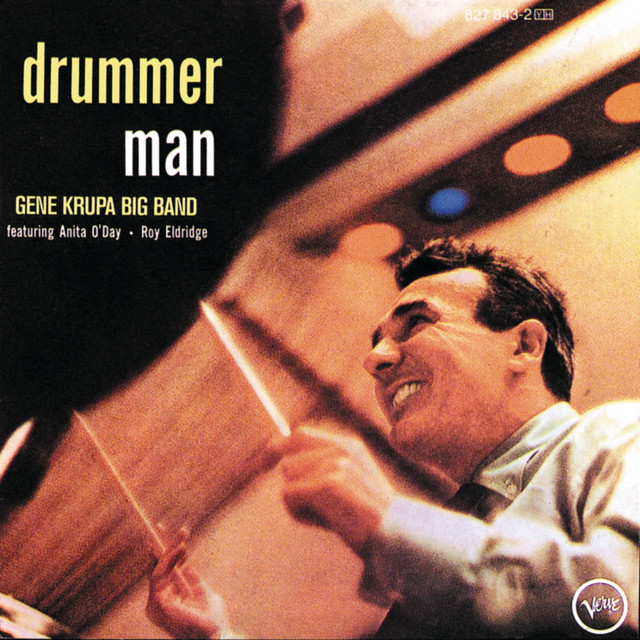
Gene Krupa Big Band

Joe Williams
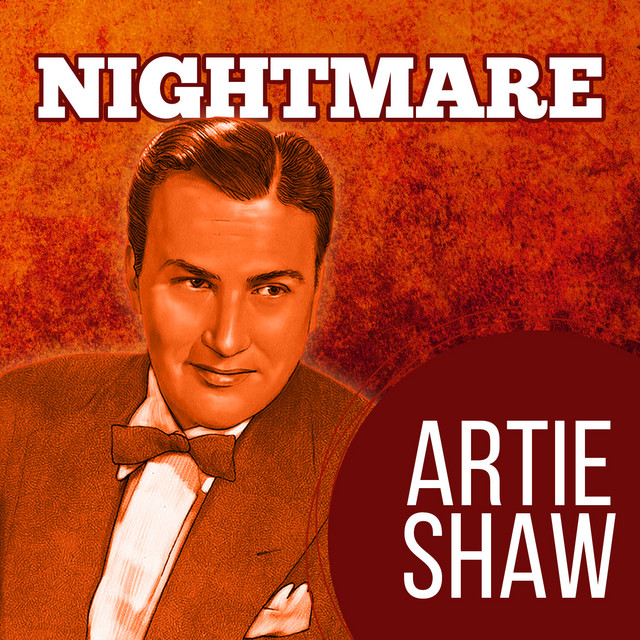




Artie Shaw and His Orchestra