Data may be outdated
Last updated: 9 months ago — Click refresh to get the latest statistics.
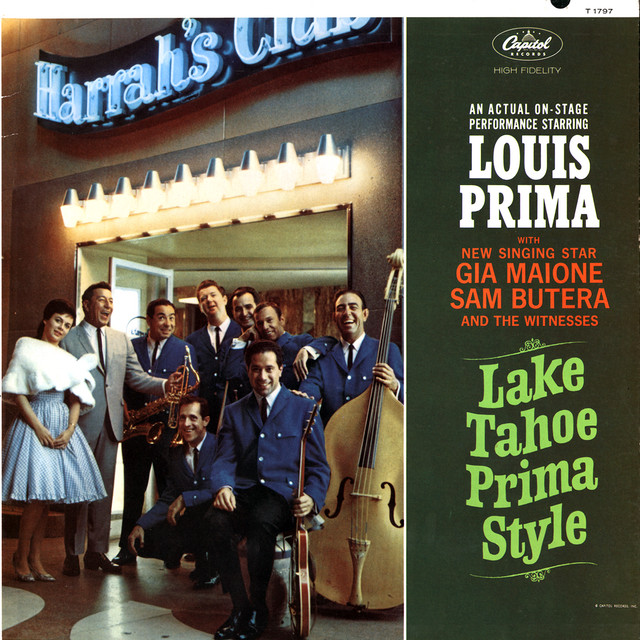
Sam Butera spent much of his career leading <a href="spotify:artist:52lBOxCxbJg0ttXEW9CQpW">Louis Prima</a>'s band, but he continued in music long after <a href="spotify:artist:52lBOxCxbJg0ttXEW9CQpW">Prima</a>'s death, and became familiar with sounds and styles far beyond <a href="spotify:artist:52lBOxCxbJg0ttXEW9CQpW">Prima</a>'s brand of New Orleans jazz. A rock, R&B, and jazz legend, Butera is a towering crossover figure at the saxophone and as a bandleader.
He was born in New Orleans to Italian-American parents. His father Joseph owned a butcher shop in a Black section of the city, and played the guitar and the concertina in his spare time. At a wedding he was taken to at age seven, Sam Butera first saw and heard a saxophone, and, with his father's blessings, started taking lessons. He studied the clarinet at school but eventually returned to the sax, and at age 18 was featured in Look magazine (Life magazine's major competitor) as one of the top young jazzmen in the country. He got a gig with Ray MicKinley right out of high school, and also played with <a href="spotify:artist:4WoGga7UeRcmjD4ufif4nG">Tommy Dorsey</a> and <a href="spotify:artist:6xR9XDu2XzxVOVOjQWi7p5">Joe Reichman</a>'s bands. His major influences in those years included <a href="spotify:artist:6ivz1LSbG04pV8AQUFaY53">Charlie Ventura</a>, <a href="spotify:artist:05E3NBxNMdnrPtxF9oraJm">Lester Young</a>, <a href="spotify:artist:338mC0yGyX0C9of8QMJ5hK">Gene Ammons</a>, <a href="spotify:artist:4Ww5mwS7BWYjoZTUIrMHfC">Charlie Parker</a>, and <a href="spotify:artist:5K3FOIJ4gEZlPaJJpqaXmm">Big Jay McNeely</a>, and he seemed to gravitate naturally toward swing and bebop. Ultimately, however, the biggest influence on his playing was <a href="spotify:artist:1WcgIN2vzf5RBrqd1pMA5q">Lee Allen</a>, a member of <a href="spotify:artist:1VyGMqS9Ym6SUmKcYwMsYQ">Paul Gayten</a>'s band, with which he frequently played.
Butera formed his own group -- inspired by <a href="spotify:artist:1VyGMqS9Ym6SUmKcYwMsYQ">Gayten</a>'s band -- after returning to New Orleans, and they quickly began a four-year engagement at The 500 Club, which was owned by <a href="spotify:artist:52lBOxCxbJg0ttXEW9CQpW">Louis Prima</a>'s brother. His sound reflected a vast range of influences, including modern jazz and R&B, and in 1951 Butera cut a pair of raunchy R&B instrumental sides that might have figured in the early history of white rock & roll if only they'd been released in time. He also had a featured spot in a <a href="spotify:artist:2KSxJY1WxGGVYSmoM0N54P">Woody Herman</a> concert that yielded both a chance for a new tour and a recording contract with <a href="spotify:search:label%3A%22RCA%22">RCA</a>. The resulting sessions in the fall of 1953 gave Butera a chance to rock out in an alternately soft and sweet, or hard and playful manner. There weren't any significant sales, but <a href="spotify:search:label%3A%22RCA%22">RCA</a> had him back in early 1954 for a series of sessions for its R&B-oriented <a href="spotify:artist:65g8RO3JqCUTigI7YR3dAw">Groove</a> label (home of <a href="spotify:artist:49vobYCMWUndxJNbtewRsx">Piano Red</a>, among others), and his version of "I Don't Want to Set the World on Fire" was a modest regional hit.
He played some R&B shows, including a celebrated tour as part of <a href="spotify:artist:1wNkMmCAKqLRipNCmJxYZ2">Alan Freed</a>'s first East Coast rock & roll showcase, and Butera's loud, wild sax sound won him an enthusiastic following. By 1955, however, he was back doing jazz with <a href="spotify:artist:5V0MlUE1Bft0mbLlND7FJz">Ella Fitzgerald</a> and <a href="spotify:artist:1el0ImlpL5kq6eAHoodvOU">Louie Bellson</a>. He finally hooked up with <a href="spotify:artist:52lBOxCxbJg0ttXEW9CQpW">Louis Prima</a> and spent the next 20 years leading his band, the Witnesses. Butera's own record releases were cut short, with only a handful of his <a href="spotify:artist:65g8RO3JqCUTigI7YR3dAw">Groove</a> sides (including a vocal performance "Giddyap Baby") ever issued at the time.
Butera worked for Prima for the next 20 years, and in the mid-'70s, he re-emerged as a performer in his own right. ~ Bruce Eder, Rovi
He was born in New Orleans to Italian-American parents. His father Joseph owned a butcher shop in a Black section of the city, and played the guitar and the concertina in his spare time. At a wedding he was taken to at age seven, Sam Butera first saw and heard a saxophone, and, with his father's blessings, started taking lessons. He studied the clarinet at school but eventually returned to the sax, and at age 18 was featured in Look magazine (Life magazine's major competitor) as one of the top young jazzmen in the country. He got a gig with Ray MicKinley right out of high school, and also played with <a href="spotify:artist:4WoGga7UeRcmjD4ufif4nG">Tommy Dorsey</a> and <a href="spotify:artist:6xR9XDu2XzxVOVOjQWi7p5">Joe Reichman</a>'s bands. His major influences in those years included <a href="spotify:artist:6ivz1LSbG04pV8AQUFaY53">Charlie Ventura</a>, <a href="spotify:artist:05E3NBxNMdnrPtxF9oraJm">Lester Young</a>, <a href="spotify:artist:338mC0yGyX0C9of8QMJ5hK">Gene Ammons</a>, <a href="spotify:artist:4Ww5mwS7BWYjoZTUIrMHfC">Charlie Parker</a>, and <a href="spotify:artist:5K3FOIJ4gEZlPaJJpqaXmm">Big Jay McNeely</a>, and he seemed to gravitate naturally toward swing and bebop. Ultimately, however, the biggest influence on his playing was <a href="spotify:artist:1WcgIN2vzf5RBrqd1pMA5q">Lee Allen</a>, a member of <a href="spotify:artist:1VyGMqS9Ym6SUmKcYwMsYQ">Paul Gayten</a>'s band, with which he frequently played.
Butera formed his own group -- inspired by <a href="spotify:artist:1VyGMqS9Ym6SUmKcYwMsYQ">Gayten</a>'s band -- after returning to New Orleans, and they quickly began a four-year engagement at The 500 Club, which was owned by <a href="spotify:artist:52lBOxCxbJg0ttXEW9CQpW">Louis Prima</a>'s brother. His sound reflected a vast range of influences, including modern jazz and R&B, and in 1951 Butera cut a pair of raunchy R&B instrumental sides that might have figured in the early history of white rock & roll if only they'd been released in time. He also had a featured spot in a <a href="spotify:artist:2KSxJY1WxGGVYSmoM0N54P">Woody Herman</a> concert that yielded both a chance for a new tour and a recording contract with <a href="spotify:search:label%3A%22RCA%22">RCA</a>. The resulting sessions in the fall of 1953 gave Butera a chance to rock out in an alternately soft and sweet, or hard and playful manner. There weren't any significant sales, but <a href="spotify:search:label%3A%22RCA%22">RCA</a> had him back in early 1954 for a series of sessions for its R&B-oriented <a href="spotify:artist:65g8RO3JqCUTigI7YR3dAw">Groove</a> label (home of <a href="spotify:artist:49vobYCMWUndxJNbtewRsx">Piano Red</a>, among others), and his version of "I Don't Want to Set the World on Fire" was a modest regional hit.
He played some R&B shows, including a celebrated tour as part of <a href="spotify:artist:1wNkMmCAKqLRipNCmJxYZ2">Alan Freed</a>'s first East Coast rock & roll showcase, and Butera's loud, wild sax sound won him an enthusiastic following. By 1955, however, he was back doing jazz with <a href="spotify:artist:5V0MlUE1Bft0mbLlND7FJz">Ella Fitzgerald</a> and <a href="spotify:artist:1el0ImlpL5kq6eAHoodvOU">Louie Bellson</a>. He finally hooked up with <a href="spotify:artist:52lBOxCxbJg0ttXEW9CQpW">Louis Prima</a> and spent the next 20 years leading his band, the Witnesses. Butera's own record releases were cut short, with only a handful of his <a href="spotify:artist:65g8RO3JqCUTigI7YR3dAw">Groove</a> sides (including a vocal performance "Giddyap Baby") ever issued at the time.
Butera worked for Prima for the next 20 years, and in the mid-'70s, he re-emerged as a performer in his own right. ~ Bruce Eder, Rovi
Monthly Listeners
38,222
Monthly Listeners History
Track the evolution of monthly listeners over the last 28 days.
Followers
2,801
Followers History
Track the evolution of followers over the last 28 days.
Top Cities
2,496 listeners

650 listeners
595 listeners
561 listeners
522 listeners
Related Artists
The Cadets