Data may be outdated
Last updated: 1 month ago — Click refresh to get the latest statistics.
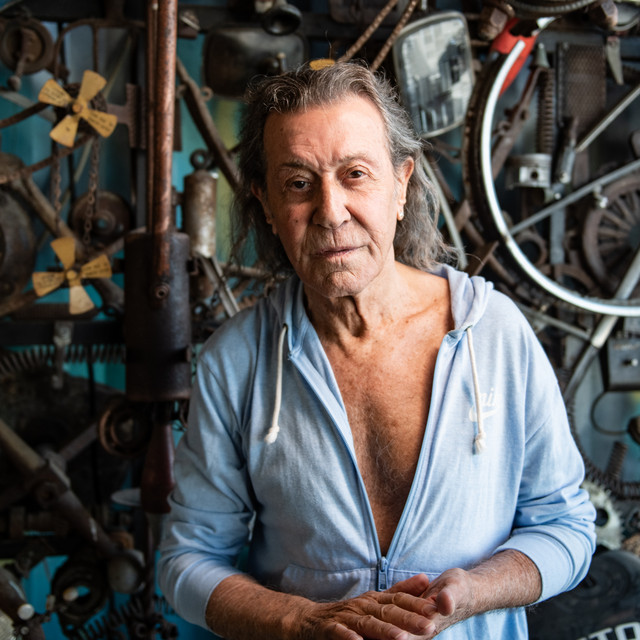
Albert Hammond was born in London, England on May 18, 1944. His family was from Gibraltar, and they were relocated to England for their safety during World War II. After the war in Europe ended, his parents took young Albert with them as they returned to Gibraltar, where he grew up. He became fluent in both English and Spanish, which would serve him well in his later career. His family lived modestly on his father's fireman's pay, and one of his early diversions was music -- he sang in church and became head choir boy. Hammond also became interested in popular music, taking up the guitar and singing for his own enjoyment.
Hammond reached his teens just as rock & roll was taking hold of British youth, and with his guitar, he began performing in public, singing numbers made famous by <a href="spotify:artist:15FyiY3ChN0QRspHIQYq0W">Dion</a> for audiences of American servicemen. In 1958, Hammond and his friend Richard Cartwright began performing as a duo on the island, as well as in Spain. Hammond had become proficient on the guitar, and their vocals were good enough that they eventually became part of a band called the Diamond Boys, with Hammond quitting school to focus on his new career. The Diamond Boys, whose vocal influences included <a href="spotify:artist:4ACplpEqD6JIVgKrafauzs">the Everly Brothers</a>, <a href="spotify:artist:6LXtFndRkOihPIa2dWY3FH">the Kalin Twins</a>, and the Brook Brothers, mostly covered English and Spanish rock & roll hits, though they also performed some of Hammond's original compositions. The Diamond Boys were good enough to make a steady living playing clubs in Casablanca, and were considered up-and-coming stars in Spain and on Gibraltar. They landed a recording contract with <a href="spotify:search:label%3A%22RCA+Records%22">RCA Records</a>, which led to the release of a 1963 EP that included their cover of <a href="spotify:artist:1eYhYunlNJlDoQhtYBvPsi">Ray Charles</a>' "What'd I Say," as well as Hammond's "New Orleans" and "Fools in Love." The group disbanded soon after, and Hammond and Cartwright eventually headed for England, where they briefly became a part of a band called Los Cincos Ricardos, who cut one single, a cover of <a href="spotify:artist:1SQRv42e4PjEYfPhS0Tk9E">the Kinks</a>' "Most Exclusive Residence for Sale" back with Hammond's "It's All Over Now."
One of the members contributing to Los Cincos Ricardos' repertoire was Mike Hazelwood, who prompted Hammond to push his songwriting harder than his performing, altering the focus and direction of his early career. Hammond, in collaboration with Hazelwood and others, including Scott English ("Frisco Annie") and future star producer/songwriter <a href="spotify:artist:40INU8pCmyLX9yXB9sCThG">Tony Macaulay</a>, made a particular specialty out of writing American-style songs, trading in images and references from the United States. One <a href="spotify:artist:40INU8pCmyLX9yXB9sCThG">Macaulay</a>-Hammond song, "Oklahoma Sunday Morning," was even recorded by <a href="spotify:artist:59hLmB5DrdihCYtNeFeW1U">Glen Campbell</a> in his pre-stardom days. Hammond and Hazelwood found their first success on a British television series entitled Oliver in the Overworld, for which they wrote all of the songs, among them a novelty tune called "Gimme Dat Ding." Hammond also picked up work as a session singer in London, appearing on sessions by <a href="spotify:artist:3tKmZgJAXrog8SnYpzWSbe">Dave Dee, Dozy, Beaky, Mick & Tich</a>. In 1967, Hammond, Hazelwood and their friend Steve Rowland formed the group Family Dogg, which managed to make some noise in the press and charted one single, "A Way of Life," in 1969. Their sales failed to live up to their publicity, and they broke up after a disappointing debut album, also called A Way of Life, whose studio band included <a href="spotify:artist:55bGuHb50r5c0PeqqMeNBV">Jimmy Page</a>, <a href="spotify:artist:6RhcZuUOb20IZvR8BbdnJX">John Paul Jones</a>, and <a href="spotify:artist:6NAJM9Zc8wUQbKCzxpt6kM">John Bonham</a>, soon to become stars with <a href="spotify:artist:36QJpDe2go2KgaRleHCDTp">Led Zeppelin</a>. Hammond and Rowland also wrote and recorded several singles together, issued under various aliases, without making any impact on the charts.
While he wasn't making much headway as a performer, Hammond enjoyed a string of hits as a songwriter as the '60s drew to a close: "Little Arrows" by <a href="spotify:artist:7lgv8OCexyuvGs3Xn2O7n2">Leapy Lee</a> in 1968, "Make Me an Island" and "You're Such a Good Looking Woman" by Irish singer <a href="spotify:artist:3sebqZKFZ8aJsgQu4YaKQh">Joe Dolan</a> in 1969 and 1970, "Good Morning Freedom" by <a href="spotify:artist:0hUyd9GtnzL8NysCiaxCcv">Blue Mink</a> in 1970, "Gimme Dat Ding" by <a href="spotify:artist:7b8blpDsdFfs5DMMMLBuX0">the Pipkins</a> in 1970 (which was an unexpected hit on both sides of the Atlantic), and "Freedom Come, Freedom Go" by <a href="spotify:artist:4GpIeE34rBNFppvYsWle9c">the Fortunes</a> in 1971. Hammond also found time to sing on <a href="spotify:artist:5slSOLb4CcoPOgptg4tsxo">Michael Chapman</a>'s fourth album, 1971's Wrecked Again, and worked briefly with the group <a href="spotify:artist:3KdjLRiBHU1Rq2NWaTH0fe">the Magic Lanterns</a>, who cut his and Hazelwood's songs as well as other material. Hammond and Hazelwood came to the United States to work on a stage music that was never produced, and with time on his hands, Hammond began knocking on the doors of various record companies. After numerous rejections, he signed with a new label, <a href="spotify:search:label%3A%22Mums%22">Mums</a>, which was co-founded by ex-<a href="spotify:search:label%3A%22Dunhill+Records%22">Dunhill Records</a> partner Bobby Roberts with distribution by <a href="spotify:search:label%3A%22Columbia+Records%22">Columbia Records</a>, on the strength of a brace of new songs that he brought to the audition. A series of demos were strong enough to be released as singles, but it was "It Never Rains in Southern California," part of Hammond & Hazelwood's backlog of tunes and recorded in California with some of L.A.'s top session musicians, that broke Hammond as a recording artist. The song reached number five in America and became a million-seller around the world.
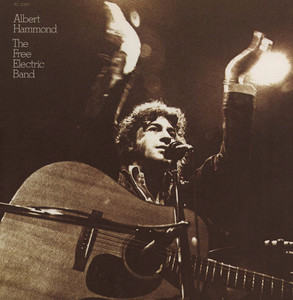
The accompanying album, 1972's It Never Rains in Southern California, also featured the songs "Down by the River" (which went Top 20 in Australia and hit the Easy Listening charts in America), "If You Gotta Break Another Heart" (later recorded by Cass Elliot), and "The Air That I Breathe," which was a major international hit by <a href="spotify:artist:6waa8mKu91GjzD4NlONlNJ">the Hollies</a>. Hammond's follow-up album, 1973's The Free Electric Band (its title track salvaged from the unproduced musical), produced another international hit single with its title track, though it failed to crack the Top 40 in the United States, despite some strong regional airplay. 1974's Albert Hammond, produced by <a href="spotify:artist:70cRZdQywnSFp9pnc2WTCE">Simon & Garfunkel</a> producer Roy Halee, included the song "I'm a Train," which became Hammond's last Top 40 hit in America. Working with Halee led to Hammond writing songs with <a href="spotify:artist:6kEsKkXuE4olX7m3mNLZkS">Art Garfunkel</a>, part of a major flurry of activity that included producing a single for <a href="spotify:artist:6kACVPfCOnqzgfEF5ryl0x">Johnny Cash</a> ("Praise the Lord and Pass the Soup," a Hammond-Hazelwood composition), and collaborating with <a href="spotify:artist:7slnlqXyKCLVEirP005Q2n">Richard Carpenter</a> and <a href="spotify:artist:4jmVG1bMuHIUGZJ13EJ9TT">John Bettis</a> ("I Need to Be in Love").
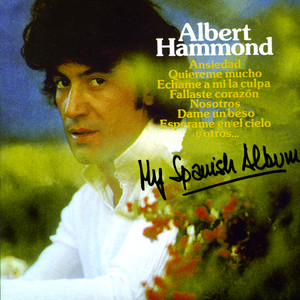
For 1975's 99 Miles from LA, Hammond wrote several songs in collaboration with <a href="spotify:artist:4SneDShROaEhPgKm12KZ3W">Hal David</a>, including the title track, which was a number one hit on the Easy Listening chart, though it only rose to number 91 on the Hot 100. The album was produced by <a href="spotify:artist:63SAbg9DkZabjTQUJBUAw5">Phil Ramone</a> and included Hammond's version of "To All the Girls I've Loved Before," which would become a massive success for <a href="spotify:artist:4etuCZVdP8yiNPn4xf0ie5">Julio Iglesias</a> & <a href="spotify:artist:5W5bDNCqJ1jbCgTxDD0Cb3">Willie Nelson</a>. Hammond had already enjoyed hits in Spain, and in 1976, he issued My Spanish Album, his first full album in that language. Its success would put a new spin on his career as a performer, and as his star rose in Europe, he would cut four more LPs in Spanish between 1977 and 1981 (Mi Album di Recuerdos, Albert Louis Hammond, Al Otro Lado del Sol, and Comprenderte). Hammond also had a big hit in the Netherlands with 1986's Hammond & West, a collaboration with popular Dutch vocalist <a href="spotify:artist:00BQd3WIu5VBBP2y1NvIrk">Albert West</a>, and he continued to record occasionally in English, with 1989's Best of Me finding him cutting new versions of some of his best-known tracks.
Recording took a back seat to performing and writing in the mid-'80s, with <a href="spotify:artist:0kObWap02DEg9EAJ3PBxzf">Starship</a> ("Nothing's Gonna Stop Us Now"), <a href="spotify:artist:3iDD7bnsjL9J4fO298r0L0">Chicago</a> ("I Don't Wanna Live Without Your Love"), <a href="spotify:artist:6XpaIBNiVzIetEPCWDvAFP">Whitney Houston</a> ("One Moment in Time"), and <a href="spotify:artist:0SD4eZCN4Kr0wQk56hCdh2">Bonnie Tyler</a> ("Where Were You") among the many artists who charted with his tunes. Hammond only released one album in the '90s, 1996's Coplas and Songs, but he returned in 2005 with Revolution of the Heart, a collection of fresh songs recorded for the German <a href="spotify:search:label%3A%22SPV%22">SPV</a> label. 2010's Legend was an ambitious two-disc set that saw Hammond re-recording some of his best-known songs with an impressive roster of guests including <a href="spotify:artist:2nvKpWcP8etYTq4JrRiUiy">Cliff Richard</a>, <a href="spotify:artist:0DW7boyjvbaSP3OJ72sXgC">Al Stewart</a>, <a href="spotify:artist:0SD4eZCN4Kr0wQk56hCdh2">Bonnie Tyler</a>, <a href="spotify:artist:4etuCZVdP8yiNPn4xf0ie5">Julio Iglesias</a>, and <a href="spotify:artist:3AIPhNgeF9S1Kyg9Yy3UQW">Dani Martin</a>. It also included one new song, "Changing Me," which Hammond wrote and recorded with his son <a href="spotify:artist:1Li0eIWeMeWcOOWpImcG9H">Albert Hammond, Jr.</a>, who had become a star in his own right as guitarist with <a href="spotify:artist:0epOFNiUfyON9EYx7Tpr6V">the Strokes</a>. 2013's Legend, Vol. 2 once again saw Hammond revisiting his back catalog, this time with him handling all the vocals himself. After another LP of new interpretations of his songbook -- 2016's In Symphony, this time with lush orchestral arrangements -- Hammond set to work on a new set of songs, many dealing with personal themes and social commentary, and the result was 2024's Body of Work. ~ Bruce Eder & Mark Deming, Rovi
Monthly Listeners
1.9 million
Monthly Listeners History
Track the evolution of monthly listeners over the last 28 days.
Followers
157,350
Followers History
Track the evolution of followers over the last 28 days.
Total Streams
504.1 million
Total Streams History
Track the evolution of total streams over the last 28 days. This data is calculated from all tracks listed in the artist's discography.
Top Cities



Related Artists
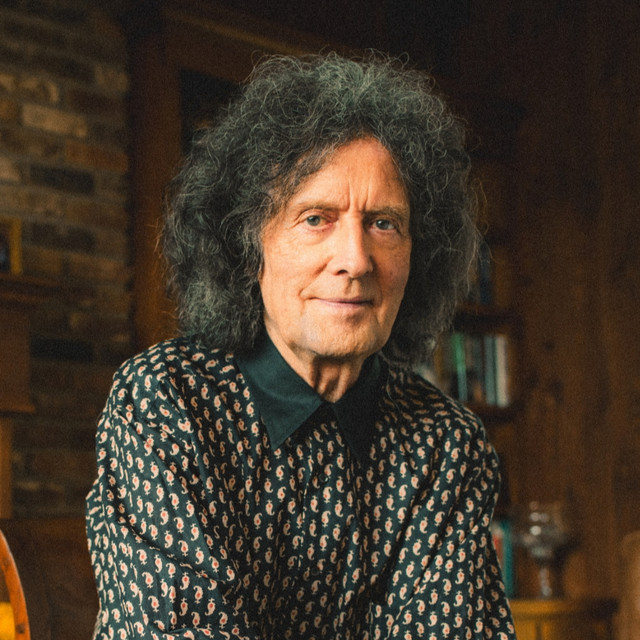
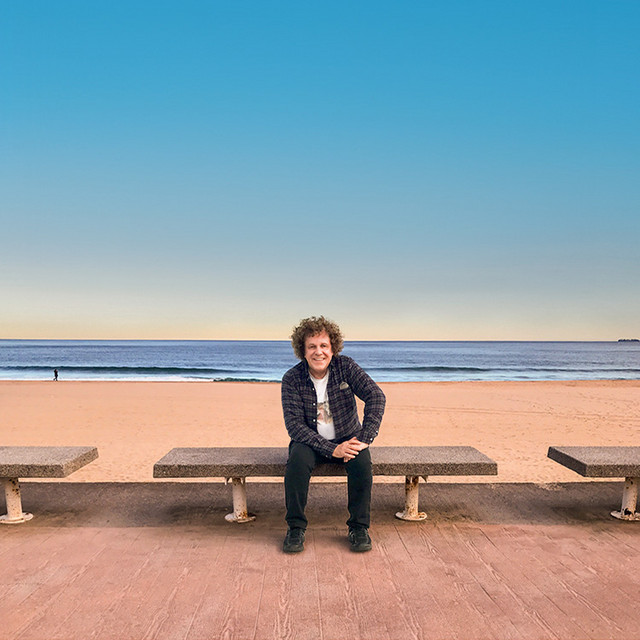
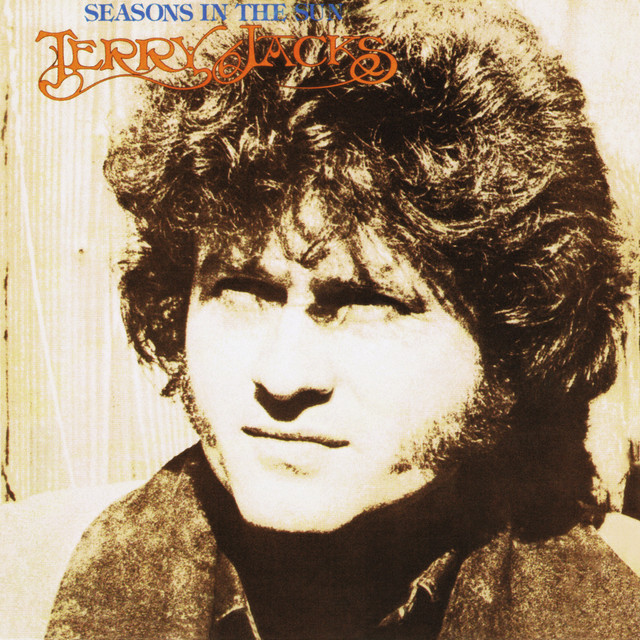
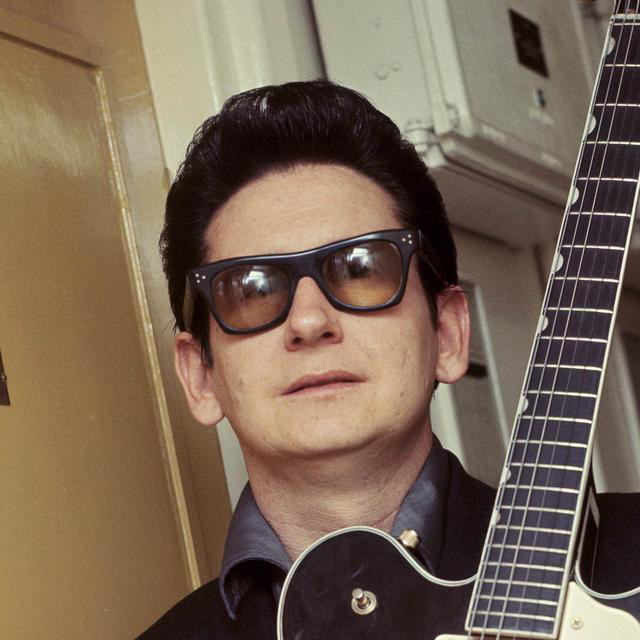
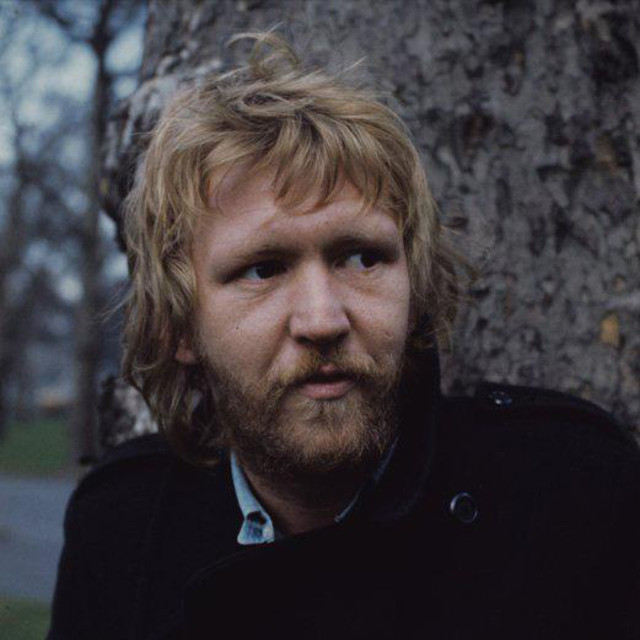
Harry Nilsson
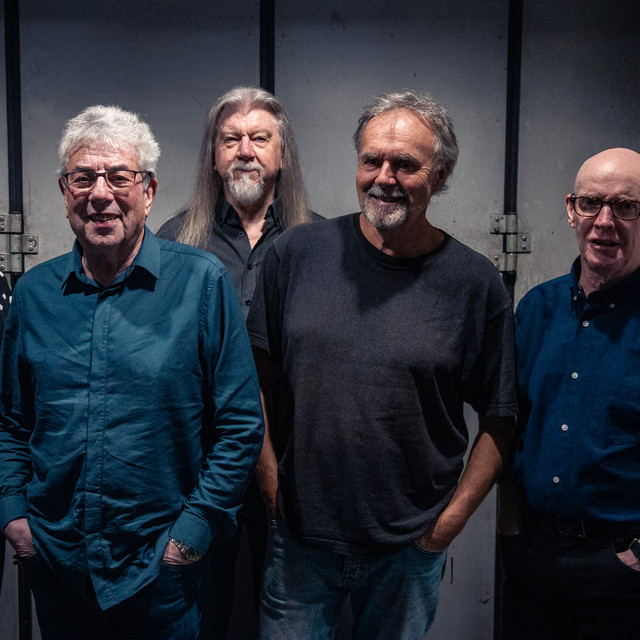
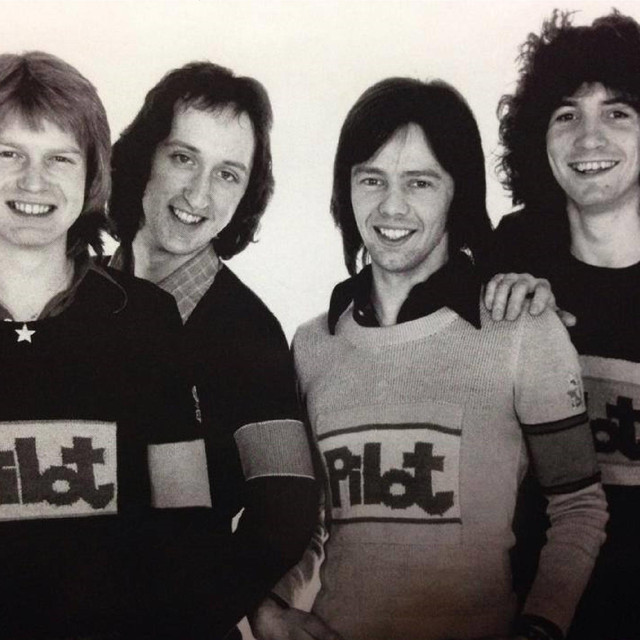
Pilot