Data may be outdated
Last updated: 1 month ago — Click refresh to get the latest statistics.
Striggio was born in Mantua between 1536 and 1538, the illegitimate son of a respected war veteran. Since he was the only son, he became heir to the Gonzaga family in 1547. Documentation of his childhood is unfortunately lost, but given his aristocratic upbringing, it's safe to assume that he received the best possible education and musical instruction. Through the 1550s, Striggio established himself as a virtuoso on the lirone, and he was also skilled on the lira da braccio and the viol. His reputation attracted the attention of Cosimo I de' Medici, who offered him an appointment in 1559 as the highest-paid musician of the court, replacing <a href="spotify:artist:0rEuoGdXbSJo9UIAkNLltM">Francesco Corteccia</a>. In this capacity, Striggio composed seven volumes of madrigals, and several occasional works for celebrations such as weddings, funerals, and baptisms throughout his 28 years of loyal service.
In the 1570s, Striggio befriended <a href="spotify:artist:6bICVw8wHyfI33icoWlw4F">Vincenzo Galilei</a>, and he may have been involved in the Florentine Camerata, the influential group of artists, writers, and musicians who pushed to revive the aesthetics and ideals of the ancient Greeks. In 1571, he married Virginia Vagnoli, a singer and lutenist of the Pesarese Court. They had many children together, but their son Alessandro is the most well-known as the librettist for <a href="spotify:artist:5iAhVgz6P8Nylxijb0C65v">Monteverdi</a>'s La favola d'Orfeo. Striggio received an invitation from Alfonso II, Duke of Ferrara in 1584 to come and hear his Concerto di Donne, an elite group of female vocalists who sang in a very florid and ornate style. This group and style of singing was quickly becoming very popular among the aristocratic circles. Striggio's visit to Ferrara also provided him with the research he needed for a commission from Francesco de' Medici to compose madrigals in the style of the Concerto di Donne. He composed these types of works for the next few years for the Florentine Concerto ensemble of the Medici court.
Striggio was one of the most popular musicians in Europe in the 1580s and 1590s. He was especially admired in England, where the Italian madrigal was introduced by <a href="spotify:artist:5Wt8XRyaHhZ0A5M6dw3lBJ">Alfonso Ferrabosco I</a> in the 1560s. He moved back to Mantua in 1587, and he remained active as a composer and performer until at least 1589. Striggio died from a fever in 1602 in Mantua. In modern times, his works have been recorded by <a href="spotify:artist:3JqPlYm35Q5oWei0xbeFiV">Le Concert Spirituel</a>, the <a href="spotify:artist:6pkQmg2GtB75nUYUVidpt3">Armonico Consort</a>, the <a href="spotify:artist:5lR7yDVN4z9kahOiUSlMhe">King's Singers</a>, and many others. ~ RJ Lambert, Rovi
Monthly Listeners
2,818
Monthly Listeners History
Track the evolution of monthly listeners over the last 28 days.
Followers
799
Followers History
Track the evolution of followers over the last 28 days.
Total Streams
907,420
Total Streams History
Track the evolution of total streams over the last 28 days. This data is calculated from all tracks listed in the artist's discography.
Top Cities



Related Artists
Thomas Tomkins
Philippe de Monte
Jacob Clemens non Papa
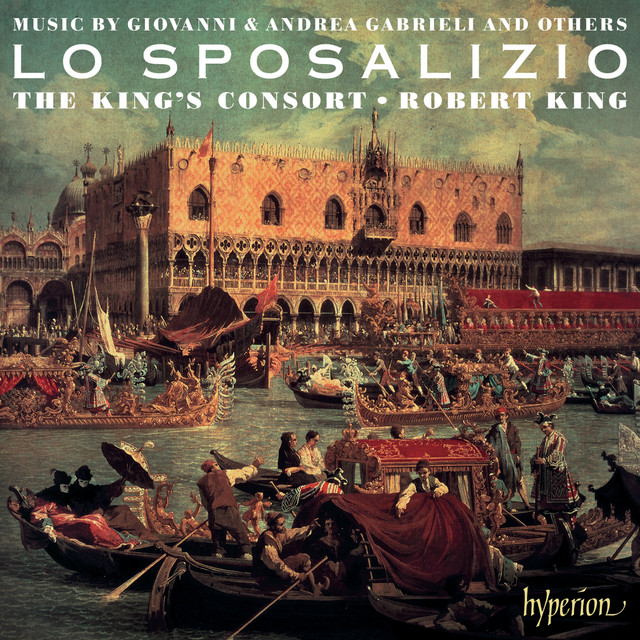
Andrea Gabrieli
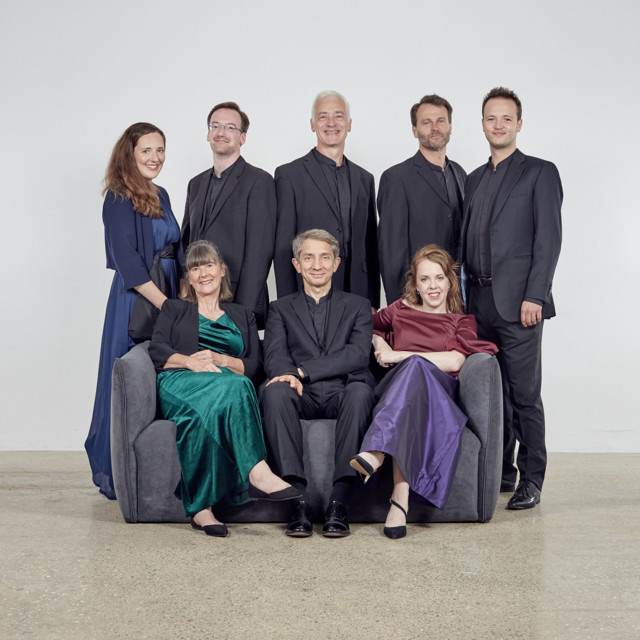
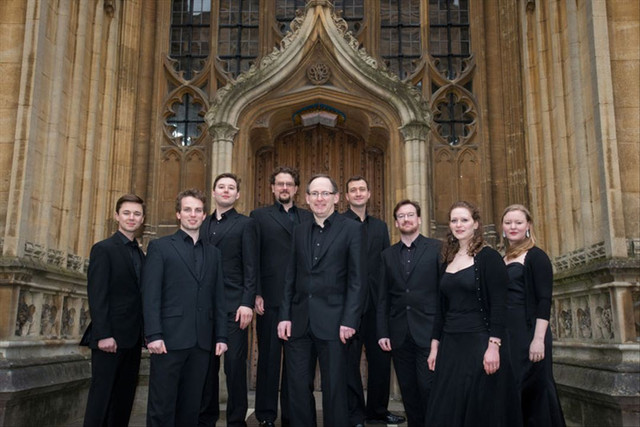
Contrapunctus
Raúl Mallavibarrena

Adrian Willaert
Jean Richafort

Orazio Benevoli
Delitiæ Musicæ
Jacob Obrecht

William Cornysh
Jean Mouton
Jonathan Woody
Angus Smith
Ben Davies



Costanzo Porta


Eustache du Caurroy