Last updated: 5 days ago
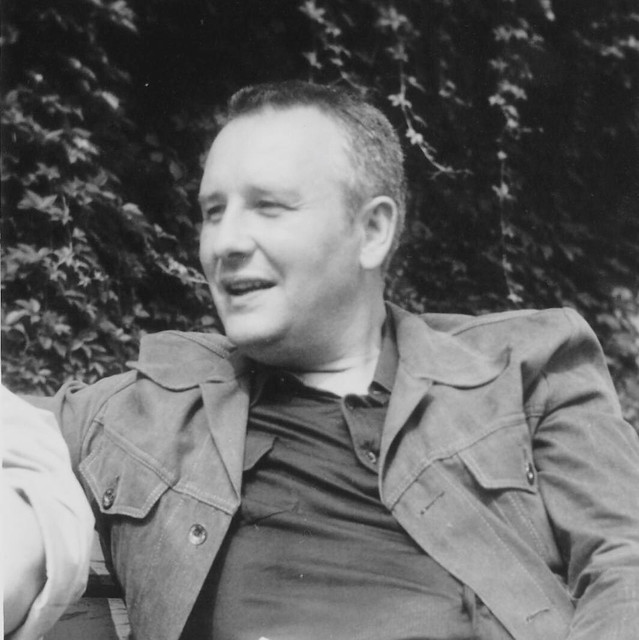
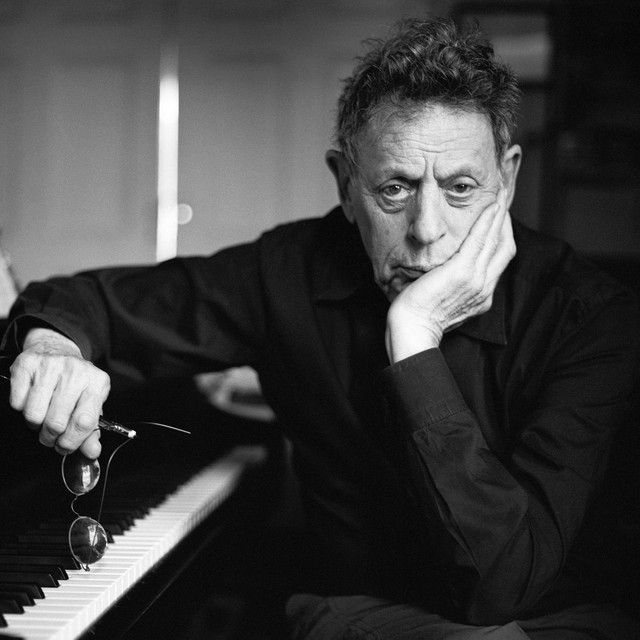
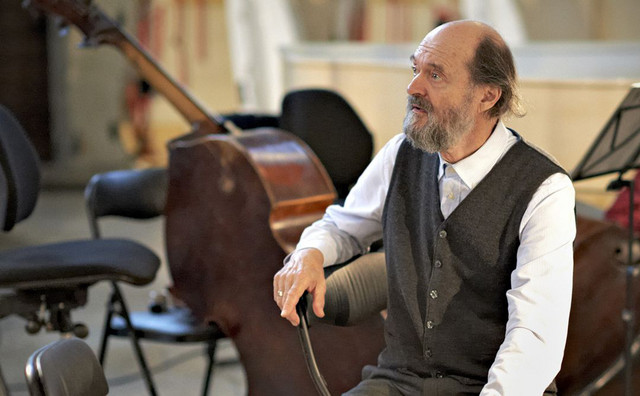
Arvo Pärt is one of those composers whose creative output has significantly changed the way we understand the nature of music. <br>
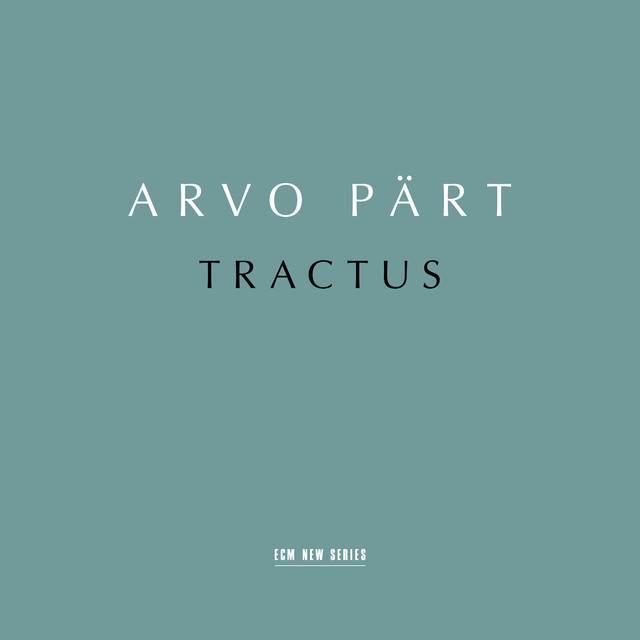
Pärt was born on 11 September 1935 in Paide, Estonia. He emigrated with his family to Vienna in 1980, and one year later moved to Berlin. The year 1984 marks the beginning of his creative collaboration with the distinguished CD label ECM and the producer Manfred Eicher and the release of the CD Tabula Rasa. In 2010, Pärt returned to Estonia where he resides today. <br>
As one of the most radical representatives of the Soviet avant-garde, Pärt’s work passed through a profound evolutionary process. After dramatic collage piece Credo (1968), Pärt rejected previous modernist techniques and stopped composing for several years. <br>
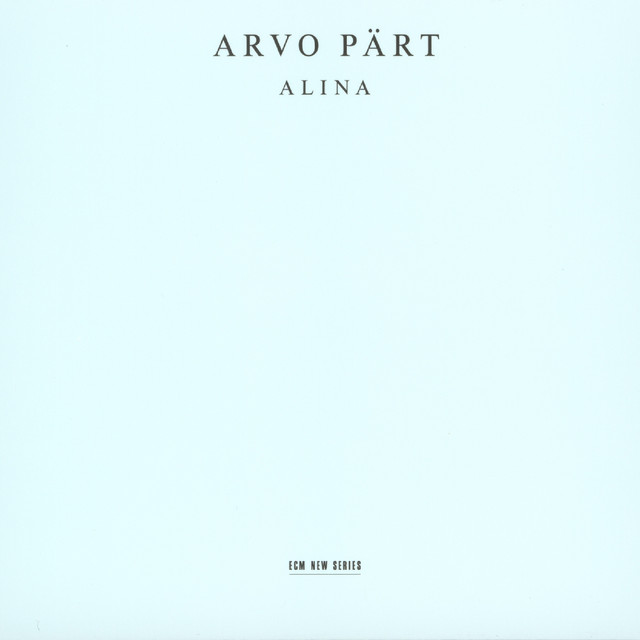
In 1976, after the intensive study of Gregorian chant, the Notre Dame School and Renaissance polyphony, Pärt emerged with a new and highly original musical language which he called tintinnabuli (tintinnabulum – Latin for ‘little bell’). The first tintinnabuli-piece, Für Alina, for piano (1976) was soon followed by masterpieces like Cantus in Memory of Benjamin Britten (1977), Fratres (1977), Tabula rasa (1977), Spiegel im Spiegel (1978) and many others.<br>
His ’musical Credo’ is rooted in Christianity and his works are mostly based on liturgical texts or other Christian prayers. These include several major works, such as Passio (1982), Te Deum (1985), Miserere (1989/1992), Kanon pokajanen (1997) and Adam’s Lament (2010).
Pärt was born on 11 September 1935 in Paide, Estonia. He emigrated with his family to Vienna in 1980, and one year later moved to Berlin. The year 1984 marks the beginning of his creative collaboration with the distinguished CD label ECM and the producer Manfred Eicher and the release of the CD Tabula Rasa. In 2010, Pärt returned to Estonia where he resides today. <br>
As one of the most radical representatives of the Soviet avant-garde, Pärt’s work passed through a profound evolutionary process. After dramatic collage piece Credo (1968), Pärt rejected previous modernist techniques and stopped composing for several years. <br>
In 1976, after the intensive study of Gregorian chant, the Notre Dame School and Renaissance polyphony, Pärt emerged with a new and highly original musical language which he called tintinnabuli (tintinnabulum – Latin for ‘little bell’). The first tintinnabuli-piece, Für Alina, for piano (1976) was soon followed by masterpieces like Cantus in Memory of Benjamin Britten (1977), Fratres (1977), Tabula rasa (1977), Spiegel im Spiegel (1978) and many others.<br>
His ’musical Credo’ is rooted in Christianity and his works are mostly based on liturgical texts or other Christian prayers. These include several major works, such as Passio (1982), Te Deum (1985), Miserere (1989/1992), Kanon pokajanen (1997) and Adam’s Lament (2010).
Monthly Listeners
810,650
Monthly Listeners History
Track the evolution of monthly listeners over the last 28 days.
Followers
324,076
Followers History
Track the evolution of followers over the last 28 days.
Total Streams
323.9 million
Total Streams History
Track the evolution of total streams over the last 28 days. This data is calculated from all tracks listed in the artist's discography.
Top Cities
19,126 listeners

8,915 listeners

8,465 listeners
7,982 listeners
7,746 listeners