Data may be outdated
Last updated: 7 months ago — Click refresh to get the latest statistics.
One of the youngest of America's major orchestras, the Atlanta Symphony Orchestra began in 1945 as the Atlanta Youth Symphony, created by members of the Atlanta Music Club to give high-quality performance opportunities to young musicians in the Atlanta area. Over its history, the ensemble has grown from a community orchestra of volunteers and part-time employees to a world-class ensemble with a reputation for musical excellence. The orchestra has recorded over 100 albums, has won a total of 27 Grammy Awards, and performs more than 200 concerts a year. Contralto and conductor <a href="spotify:artist:01nToDFj9swyFm6Pm3H2EL">Nathalie Stutzman</a> has been the orchestra's music director since 2022. She made her recording debut as the director of the Atlanta Symphony in 2024 with the album Dvorák: Symphony No. 9 "From the New World"; American Suite.
Under the direction of the gifted conductor and teacher Henry Sopkin, the Atlanta Youth Symphony became the Atlanta Symphony Orchestra in 1947. Although still in its fledgling years, the orchestra flourished under Sopkin's leadership, expanding its repertoire, increasing its programs for young players, and improving the level of musicianship among its members. As it grew, the orchestra was able to attract world-renowned soloists such as <a href="spotify:artist:13dkPjqmbcchm8cXjEJQeP">Glenn Gould</a> and <a href="spotify:artist:3HYV4ZdJ1LSOhPo5ehlEqF">Isaac Stern</a>, which further enhanced its reputation as a top-notch regional orchestra. In 1964, the Atlanta Symphony, still an organization of part-time musicians, became a founding member of the Atlanta Arts Alliance, which later became the internationally acclaimed Woodruff Arts Center.
When Sopkin announced his retirement in 1966, an arduous search began to find a replacement for this talented and visionary conductor. The job was offered to <a href="spotify:artist:24K3MJ131xjKnqDf87M3Qm">Robert Shaw</a>, who initially turned down the position because he felt he was not well-versed enough in orchestral repertoire to "stay ahead of the musicians." When he finally accepted the music director's position in 1967, it was obvious that he was equal to the challenge. <a href="spotify:artist:24K3MJ131xjKnqDf87M3Qm">Shaw</a> immediately expanded the Atlanta Symphony, created the Atlanta Symphony Orchestra Chorus, and raised the expected level of musicianship to a new and highly professional standard. He also began to organize significant tours for the orchestra, which brought national recognition and recording opportunities to the group. Under <a href="spotify:artist:24K3MJ131xjKnqDf87M3Qm">Shaw</a>'s leadership, the orchestra performed for the inauguration of President <a href="spotify:artist:5Y6CuiLP9R11N46JkwoPWX">Jimmy Carter</a> in 1977 and became the first American orchestra to release a commercial digital recording for <a href="spotify:search:label%3A%22Telarc%22">Telarc</a> in 1978.
The Atlanta Symphony made numerous recordings, won 15 Grammy Awards, and toured internationally under <a href="spotify:artist:24K3MJ131xjKnqDf87M3Qm">Shaw</a>'s direction. In 1988, <a href="spotify:artist:24K3MJ131xjKnqDf87M3Qm">Shaw</a> retired from his position as music director. Following <a href="spotify:artist:24K3MJ131xjKnqDf87M3Qm">Shaw</a>'s retirement, <a href="spotify:artist:5g1dWN1Hc2Ez59EnbqgGYc">Yoel Levi</a> became the third music director in the orchestra's history. A conductor of international reputation, <a href="spotify:artist:5g1dWN1Hc2Ez59EnbqgGYc">Levi</a> continued the tradition of musical excellence for which the orchestra became known. In 1995, the Atlanta Symphony celebrated its 50th anniversary season with two nationwide television broadcasts and a successful tour of the northeastern United States. The orchestra performed for the opening ceremony of the Olympic Games in 1996, which was viewed by more than 3.5 billion people worldwide.
In 2001, <a href="spotify:artist:22bLnWR6SUbuDyW0TDR6AR">Robert Spano</a> became music director, with <a href="spotify:artist:3mcoDPxS0qsZgKYkNP7wua">Donald Runnicles</a> as principal guest conductor. <a href="spotify:artist:22bLnWR6SUbuDyW0TDR6AR">Spano</a> instituted the "Atlanta School of Composers" scheme, which championed the works of contemporary composers such as Christopher Theofanidis, <a href="spotify:artist:74DKkK5qRjAcHfifGufH4b">Jennifer Higdon</a>, and <a href="spotify:artist:4tmEZknMU2NvdewbBk5iyy">Michael Gandolfi</a>. <a href="spotify:artist:22bLnWR6SUbuDyW0TDR6AR">Spano</a>'s reign, which ended with the conclusion of the 2020-2021 season, saw an increased interest in the orchestra with higher donations and ticket sales. Early in the following season, the Atlanta Symphony announced contralto and conductor <a href="spotify:artist:01nToDFj9swyFm6Pm3H2EL">Nathalie Stutzman</a> would assume the music directorship at the start of the 2022-2023 season. In 2024, <a href="spotify:artist:01nToDFj9swyFm6Pm3H2EL">Stutzman</a> made her recording debut as the Atlanta Symphony's director with a recording of music by Dvořák on the <a href="spotify:search:label%3A%22Erato%22">Erato</a> label. ~ Corie Stanton Root, Rovi
Under the direction of the gifted conductor and teacher Henry Sopkin, the Atlanta Youth Symphony became the Atlanta Symphony Orchestra in 1947. Although still in its fledgling years, the orchestra flourished under Sopkin's leadership, expanding its repertoire, increasing its programs for young players, and improving the level of musicianship among its members. As it grew, the orchestra was able to attract world-renowned soloists such as <a href="spotify:artist:13dkPjqmbcchm8cXjEJQeP">Glenn Gould</a> and <a href="spotify:artist:3HYV4ZdJ1LSOhPo5ehlEqF">Isaac Stern</a>, which further enhanced its reputation as a top-notch regional orchestra. In 1964, the Atlanta Symphony, still an organization of part-time musicians, became a founding member of the Atlanta Arts Alliance, which later became the internationally acclaimed Woodruff Arts Center.
When Sopkin announced his retirement in 1966, an arduous search began to find a replacement for this talented and visionary conductor. The job was offered to <a href="spotify:artist:24K3MJ131xjKnqDf87M3Qm">Robert Shaw</a>, who initially turned down the position because he felt he was not well-versed enough in orchestral repertoire to "stay ahead of the musicians." When he finally accepted the music director's position in 1967, it was obvious that he was equal to the challenge. <a href="spotify:artist:24K3MJ131xjKnqDf87M3Qm">Shaw</a> immediately expanded the Atlanta Symphony, created the Atlanta Symphony Orchestra Chorus, and raised the expected level of musicianship to a new and highly professional standard. He also began to organize significant tours for the orchestra, which brought national recognition and recording opportunities to the group. Under <a href="spotify:artist:24K3MJ131xjKnqDf87M3Qm">Shaw</a>'s leadership, the orchestra performed for the inauguration of President <a href="spotify:artist:5Y6CuiLP9R11N46JkwoPWX">Jimmy Carter</a> in 1977 and became the first American orchestra to release a commercial digital recording for <a href="spotify:search:label%3A%22Telarc%22">Telarc</a> in 1978.
The Atlanta Symphony made numerous recordings, won 15 Grammy Awards, and toured internationally under <a href="spotify:artist:24K3MJ131xjKnqDf87M3Qm">Shaw</a>'s direction. In 1988, <a href="spotify:artist:24K3MJ131xjKnqDf87M3Qm">Shaw</a> retired from his position as music director. Following <a href="spotify:artist:24K3MJ131xjKnqDf87M3Qm">Shaw</a>'s retirement, <a href="spotify:artist:5g1dWN1Hc2Ez59EnbqgGYc">Yoel Levi</a> became the third music director in the orchestra's history. A conductor of international reputation, <a href="spotify:artist:5g1dWN1Hc2Ez59EnbqgGYc">Levi</a> continued the tradition of musical excellence for which the orchestra became known. In 1995, the Atlanta Symphony celebrated its 50th anniversary season with two nationwide television broadcasts and a successful tour of the northeastern United States. The orchestra performed for the opening ceremony of the Olympic Games in 1996, which was viewed by more than 3.5 billion people worldwide.
In 2001, <a href="spotify:artist:22bLnWR6SUbuDyW0TDR6AR">Robert Spano</a> became music director, with <a href="spotify:artist:3mcoDPxS0qsZgKYkNP7wua">Donald Runnicles</a> as principal guest conductor. <a href="spotify:artist:22bLnWR6SUbuDyW0TDR6AR">Spano</a> instituted the "Atlanta School of Composers" scheme, which championed the works of contemporary composers such as Christopher Theofanidis, <a href="spotify:artist:74DKkK5qRjAcHfifGufH4b">Jennifer Higdon</a>, and <a href="spotify:artist:4tmEZknMU2NvdewbBk5iyy">Michael Gandolfi</a>. <a href="spotify:artist:22bLnWR6SUbuDyW0TDR6AR">Spano</a>'s reign, which ended with the conclusion of the 2020-2021 season, saw an increased interest in the orchestra with higher donations and ticket sales. Early in the following season, the Atlanta Symphony announced contralto and conductor <a href="spotify:artist:01nToDFj9swyFm6Pm3H2EL">Nathalie Stutzman</a> would assume the music directorship at the start of the 2022-2023 season. In 2024, <a href="spotify:artist:01nToDFj9swyFm6Pm3H2EL">Stutzman</a> made her recording debut as the Atlanta Symphony's director with a recording of music by Dvořák on the <a href="spotify:search:label%3A%22Erato%22">Erato</a> label. ~ Corie Stanton Root, Rovi
Monthly Listeners
213,992
Monthly Listeners History
Track the evolution of monthly listeners over the last 28 days.
Followers
3,906
Followers History
Track the evolution of followers over the last 28 days.
Top Cities


Related Artists

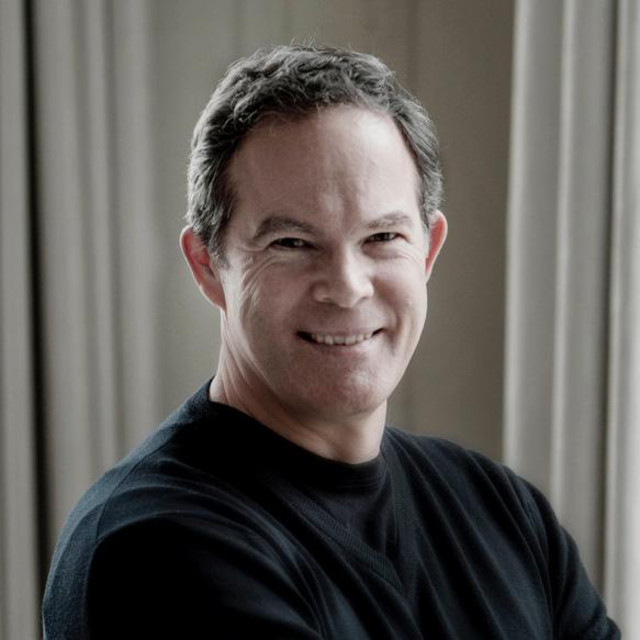

Robert Shaw

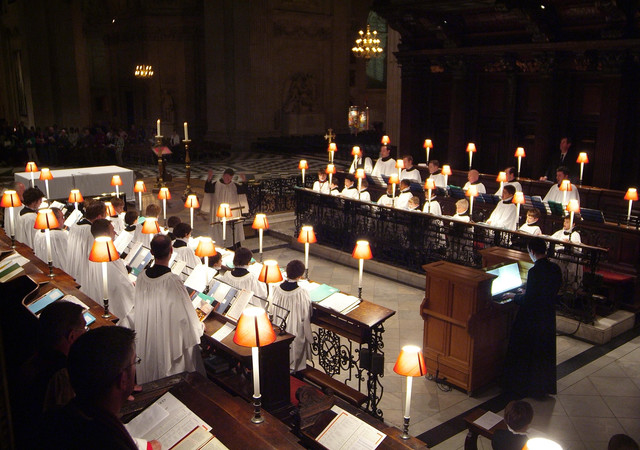
St. Paul's Cathedral Choir








Robert Stringer
Pietro Yon


James Biery

Barry Rose