Data may be outdated
Last updated: 9 months ago — Click refresh to get the latest statistics.
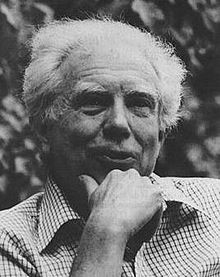
One of the most important German composers to emerge during the post-World War II era, Bernd Alois Zimmermann was born in the outskirts of Cologne in 1918. His schooling at the Cologne Musikhochschule was interrupted when he was drafted for military service in the early days of the Second World War. Discharged in 1942, Zimmermann resumed his academic training with Jarnach and Lemacher, and between 1948 and 1950 enrolled in the summer courses at Darmstadt. He was engaged as a lecturer in music theory at Cologne University in the early years of the 1950s, and, from 1957 on, taught composition at the Cologne Musikhochschule.
Until his untimely death in 1970 Zimmermann produced a steady stream of music for both concert and radio (having been director of not only composition at the Musikhochschule but also radio, film, and stage music as well). In 1965 his "pluralistic" opera (so called because it incorporates elements of many different musical styles, juxtaposing live orchestra with electronic sounds and utilizing a fair amount quotation as well) Die Soldaten was successfully premiered in Cologne. The work, perhaps Zimmermann's most eloquent musical statement, has since been hailed as the greatest operatic achievement since <a href="spotify:artist:60ju8DuNEmkdLw3ymddLje">Alban Berg</a>'s Lulu.
Zimmermann's music frequently borders on unplayability, and it is only through the exceptional gifts of a handful of players and conductors (including cellist <a href="spotify:artist:7LKvtYBonrUERSJvYU9vh8">Siegfried Palm</a> and conductor <a href="spotify:artist:5C0YJ1yKO9KxUzfsg9eQUy">Hans Rosbaud</a>) that his powerful musical creations escaped oblivion. His work reveals a deeply religious sentiment (as in the second volume, sub-titled "devotional exercises" of the solo piano work Enchiridion, or the viola concerto Antiphonen from 1962), and in later years Zimmermann, increasingly withdrawn from the musical establishment (indeed, from the rest of the world as well), came to view his music as a personal act of communication with the Divine. His final work, an "ecclesiastical action" for two speakers, bass, and orchestra, completed just five days before his death, concludes with a quotation of <a href="spotify:artist:5aIqB5nVVvmFsvSdExz408">J.S. Bach</a>'s chorale Es ist genug.
Until his untimely death in 1970 Zimmermann produced a steady stream of music for both concert and radio (having been director of not only composition at the Musikhochschule but also radio, film, and stage music as well). In 1965 his "pluralistic" opera (so called because it incorporates elements of many different musical styles, juxtaposing live orchestra with electronic sounds and utilizing a fair amount quotation as well) Die Soldaten was successfully premiered in Cologne. The work, perhaps Zimmermann's most eloquent musical statement, has since been hailed as the greatest operatic achievement since <a href="spotify:artist:60ju8DuNEmkdLw3ymddLje">Alban Berg</a>'s Lulu.
Zimmermann's music frequently borders on unplayability, and it is only through the exceptional gifts of a handful of players and conductors (including cellist <a href="spotify:artist:7LKvtYBonrUERSJvYU9vh8">Siegfried Palm</a> and conductor <a href="spotify:artist:5C0YJ1yKO9KxUzfsg9eQUy">Hans Rosbaud</a>) that his powerful musical creations escaped oblivion. His work reveals a deeply religious sentiment (as in the second volume, sub-titled "devotional exercises" of the solo piano work Enchiridion, or the viola concerto Antiphonen from 1962), and in later years Zimmermann, increasingly withdrawn from the musical establishment (indeed, from the rest of the world as well), came to view his music as a personal act of communication with the Divine. His final work, an "ecclesiastical action" for two speakers, bass, and orchestra, completed just five days before his death, concludes with a quotation of <a href="spotify:artist:5aIqB5nVVvmFsvSdExz408">J.S. Bach</a>'s chorale Es ist genug.
Monthly Listeners
758
Monthly Listeners History
Track the evolution of monthly listeners over the last 28 days.
Followers
1,920
Followers History
Track the evolution of followers over the last 28 days.
Top Cities
31 listeners

19 listeners
18 listeners

16 listeners
12 listeners
Related Artists
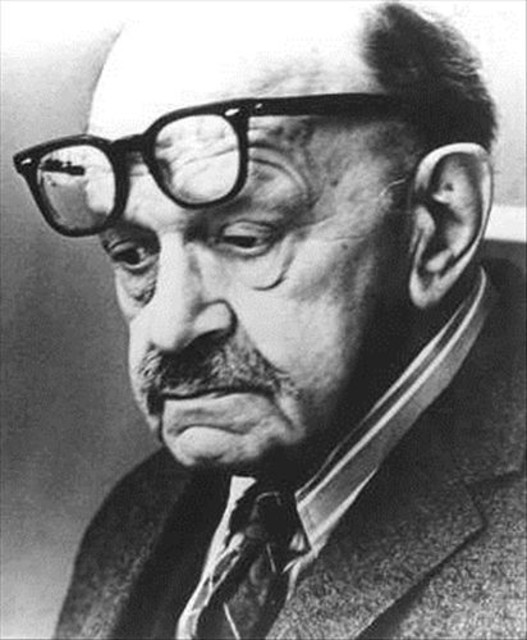
Roger Sessions

Karl Amadeus Hartmann

Pavel Haas

Friedrich Cerha


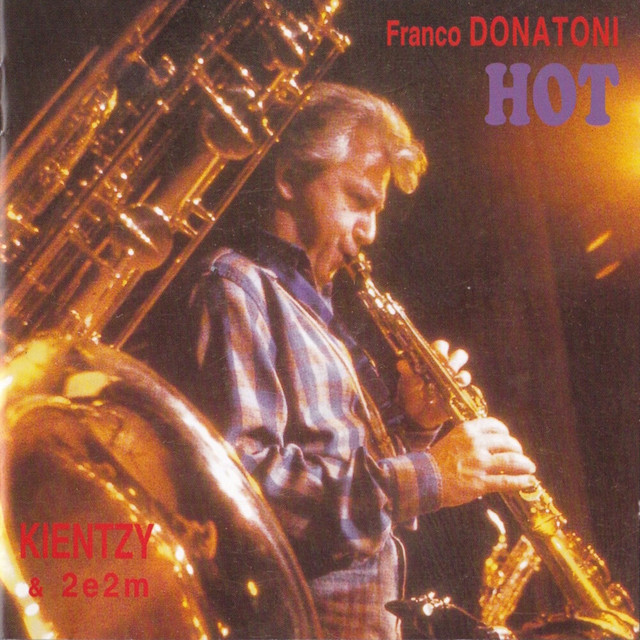
Franco Donatoni
Mats Larsson


Robin de Raaff

Ernst Krenek

Fabián Panisello
Helen Grime
Jacqueline Fontyn

Boris Ivanovich Tishchenko

Michel Lethiec
Vagn Holmboe
Pascal Dusapin

Michael Jarrell

Carl Ruggles
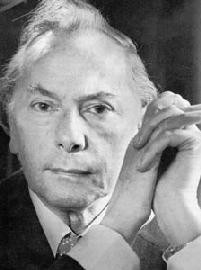

Hans Winterberg
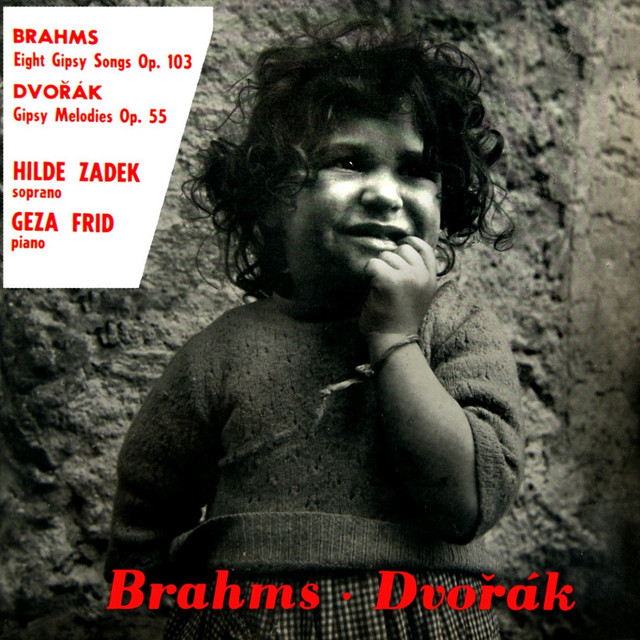
Géza Frid

Pascal Rophé

Sebastian Fagerlund
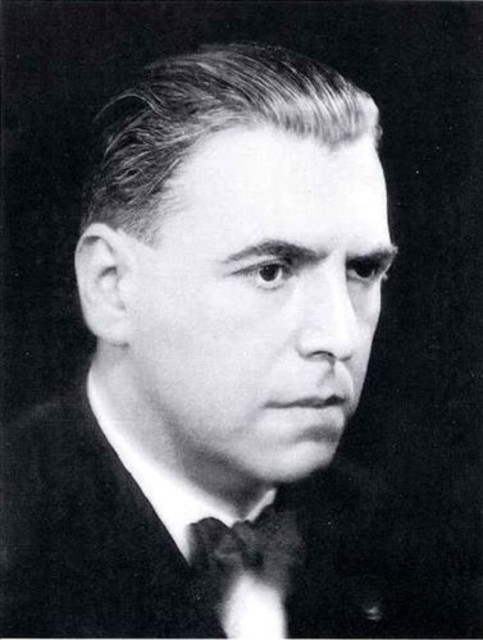

Edison Denisov